
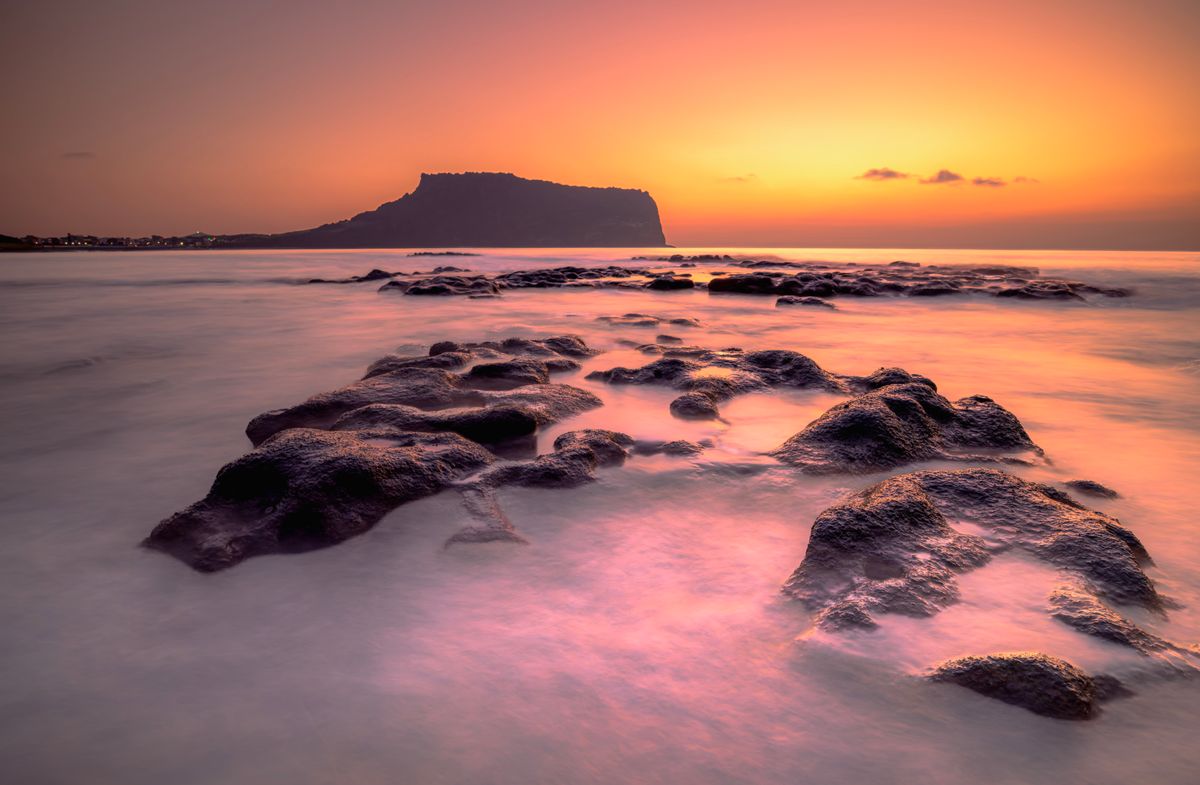
Looking for the best islands to visit in East Asia? The top picks are Jeju in South Korea, Okinawa, Ishigaki, Miyako and Sado in Japan, Hainan and Gulangyu in China, Penghu, Green Island and Orchid Island in Taiwan, and Lantau, Lamma and Cheung Chau in Hong Kong. This guide covers all 13 East Asian islands: what each one is known for, how you get there, what to check before you go, and how to stay online once you arrive.
East Asian islands at a glance
The 13 islands in this guide belong to five places:
- South Korea: Jeju, a volcanic island with Korea's tallest mountain.
- Japan: Okinawa Island, Ishigaki and Miyako in subtropical Okinawa Prefecture, and Sado in the Sea of Japan.
- China: Hainan, China's southernmost province, and Gulangyu off the city of Xiamen.
- Taiwan: the Penghu archipelago in the Taiwan Strait, and Green Island and Orchid Island off Taitung.
- Hong Kong: Lantau, Lamma and Cheung Chau, all a ferry ride from Central.
Comparing Jeju and Okinawa? Jump to Jeju vs Okinawa below. Looking beyond East Asia? See the 10 best islands to visit in Asia and the 11 best islands to visit in South East Asia.
The 13 best islands to visit in East Asia
1. Jeju Island, South Korea
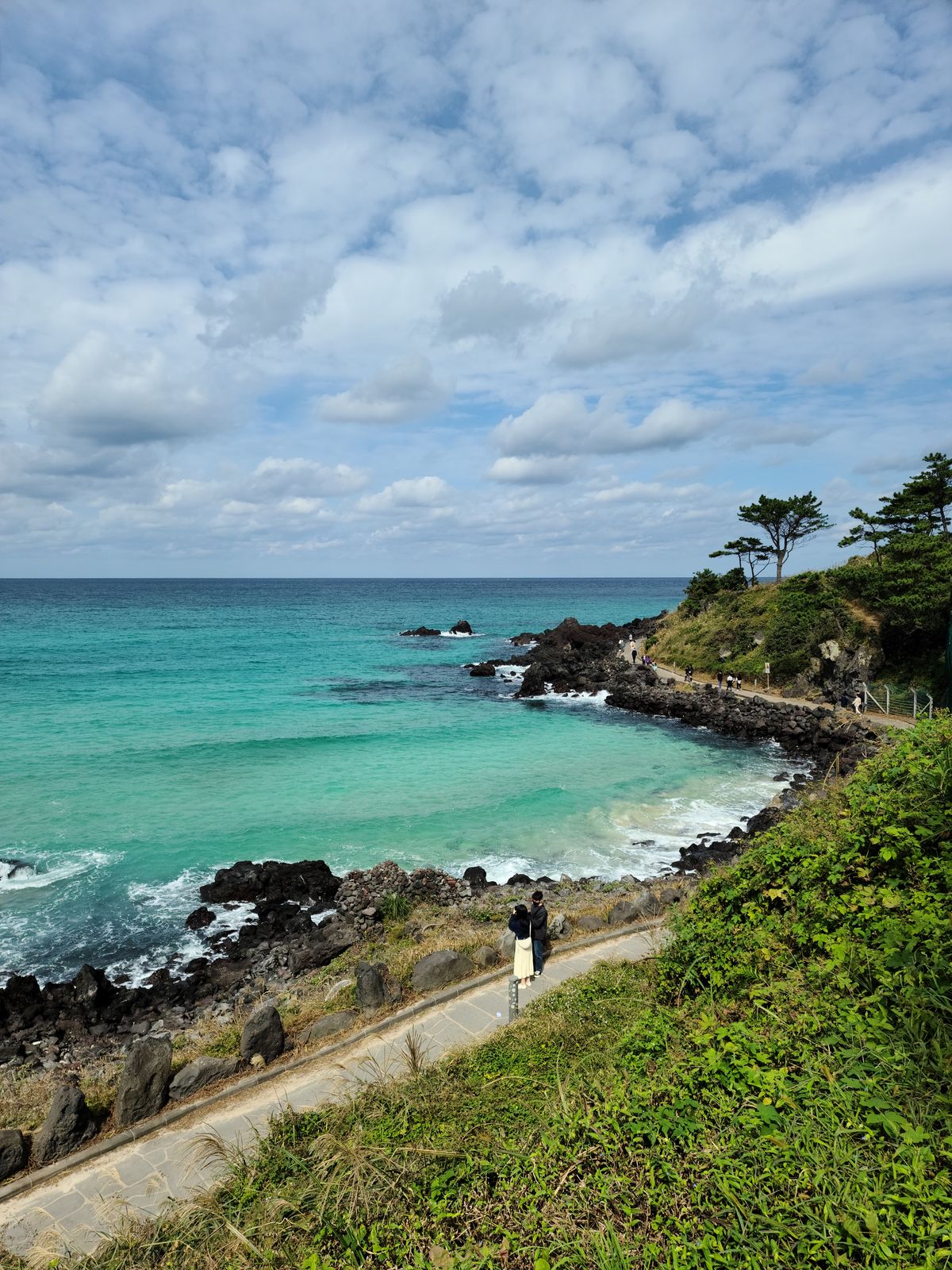
Jeju is South Korea's leading island getaway, formed by volcanic eruptions that began around 1.8 million years ago. Hallasan Mountain, Seongsan Ilchulbong Tuff Cone and the Geomunoreum Lava Tube System together became Korea's first UNESCO World Natural Heritage site, and the whole island is a UNESCO Global Geopark and Biosphere Reserve. Jeju is also known for its haenyeo, women divers who free-dive without breathing equipment to collect seafood (VisitKorea: Jeju).
- Don't miss: Hallasan, at 1,947 meters the tallest mountain in Korea. Of its seven trails, only the Seongpanak and Gwaneumsa routes reach Baengnokdam Lake at the summit. Seongsan Ilchulbong is a top sunrise spot, about a 30-minute walk to the crater rim.
- Manjanggul Lava Tube: the tube runs about 7.4 km, but only about 1 km is open to visitors. It ends at a 7.6-meter lava column and closes on the first Wednesday of every month (VisitKorea: Manjanggul).
- Getting there: Jeju International Airport has domestic flights from Seoul, Incheon and Busan, and international routes from places such as China, Japan, Taiwan, Hong Kong and Singapore.
2. Okinawa Island, Japan
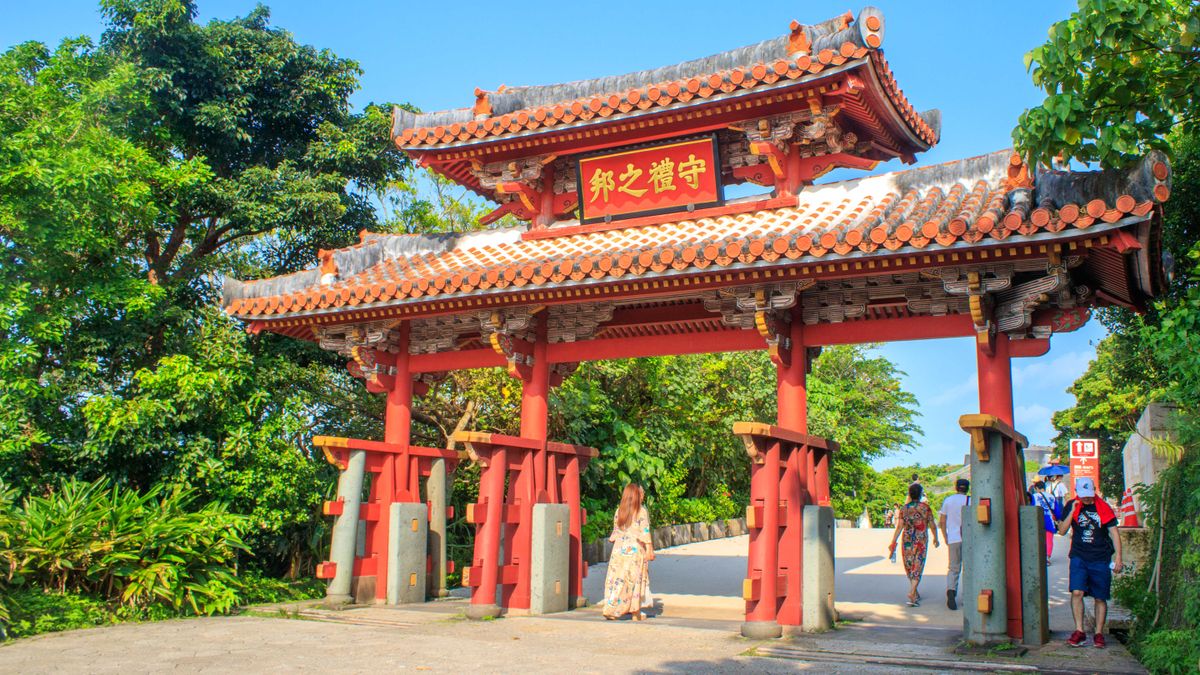
Okinawa's main island is the heart of the old Ryukyu Kingdom, which ruled from the 15th to the 19th century. The islands only became part of Japan in 1879. Naha, the capital, is the gateway for most trips, with Kokusai-dori as its main shopping street. The main island has UNESCO World Heritage sites, including Shuri Castle, the royal seat of the Ryukyu Kingdom. The castle is currently being restored, so check what's open on the official park site (Shurijo Castle Park).
- Getting there: there are frequent daily flights from Tokyo to Naha. The Yui Rail monorail runs from Naha Airport through the city to Shuri (JNTO: Naha and the main island).
- Best time: Okinawa is warm most of the year, and even winter averages a comfortable 15°C. Autumn has events such as the Naha Giant Tug-of-War Festival (JNTO: Okinawa).
3. Ishigaki Island, Japan
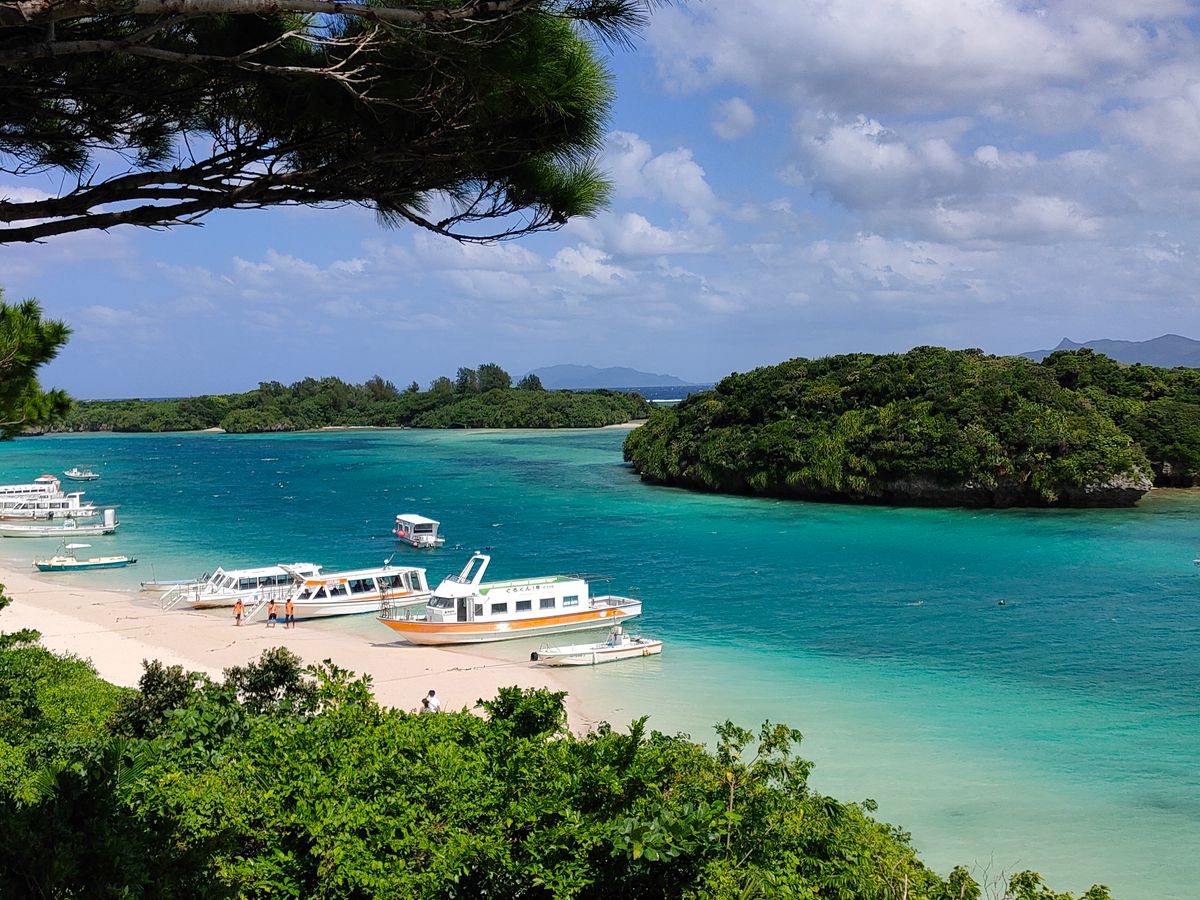
Ishigaki is home to Japan's southernmost city, around 2,000 km from Tokyo. It has some of the best beaches in Okinawa, healthy coral reefs and hiking trails in the hills at its center. In summer, manta rays gather around Kabira Bay, and divers see them on almost every dive. Ishigaki is also the base for the other Yaeyama Islands, such as Taketomi and Iriomote, a World Natural Heritage site.
- Getting there: fly from Naha or from Tokyo's Haneda Airport. There are also flights from Narita (JNTO: Ishigaki Island).
4. Miyako Island, Japan
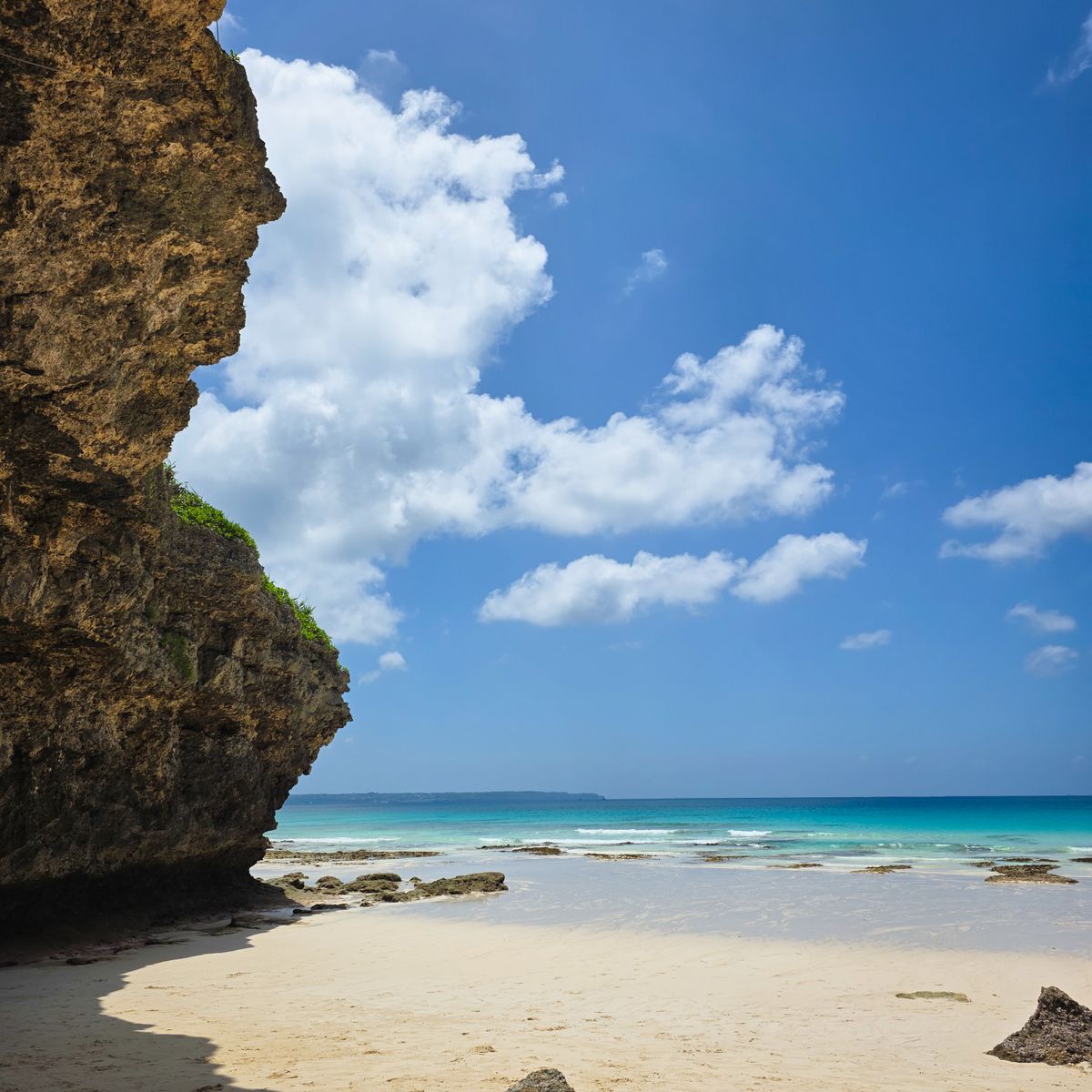
Miyako is ringed by coral reefs and an emerald sea, with cliffs on the south coast and white sand beaches to the north, east and west, such as Yonaha Maehama Beach. Bridges link Miyako to four more islands: Irabu to the west, and Shimoji, Kurima and Ikema to the north. At Cape Higashi-Hennazaki, a white lighthouse stands at the tip of a 2 km peninsula.
- Getting there: you can only get there by plane. Miyako Airport has direct flights from Tokyo Haneda, Osaka Kansai, Nagoya Centrair, Naha, Ishigaki and Tarama (JNTO: Miyako Island).
5. Sado Island, Japan
Sado sits in the Sea of Japan off Niigata Prefecture. It's Japan's sixth-largest island, with a 280 km coastline. The Sado Gold Mine in Aikawa is a UNESCO World Heritage site. In Ogi you can ride the island's famous tub boats, and in August the Earth Celebration, the Kodo taiko festival, fills Ogi Port with drumming (Visit Sado). Taiko fans can also visit the Sado Island Taiko Center (JNTO: Sado Island).
- Getting there: Sado can only be reached by ferry. From Niigata Port to Ryotsu, the Sado Kisen car ferry takes about 2 hours 30 minutes and the jetfoil about 1 hour 7 minutes. There's also a car ferry from Naoetsu to Ogi.
- Good to know: bring cash. Most vendors and many activities don't take cards, and the island's buses don't accept IC cards such as Suica.
6. Hainan Island, China
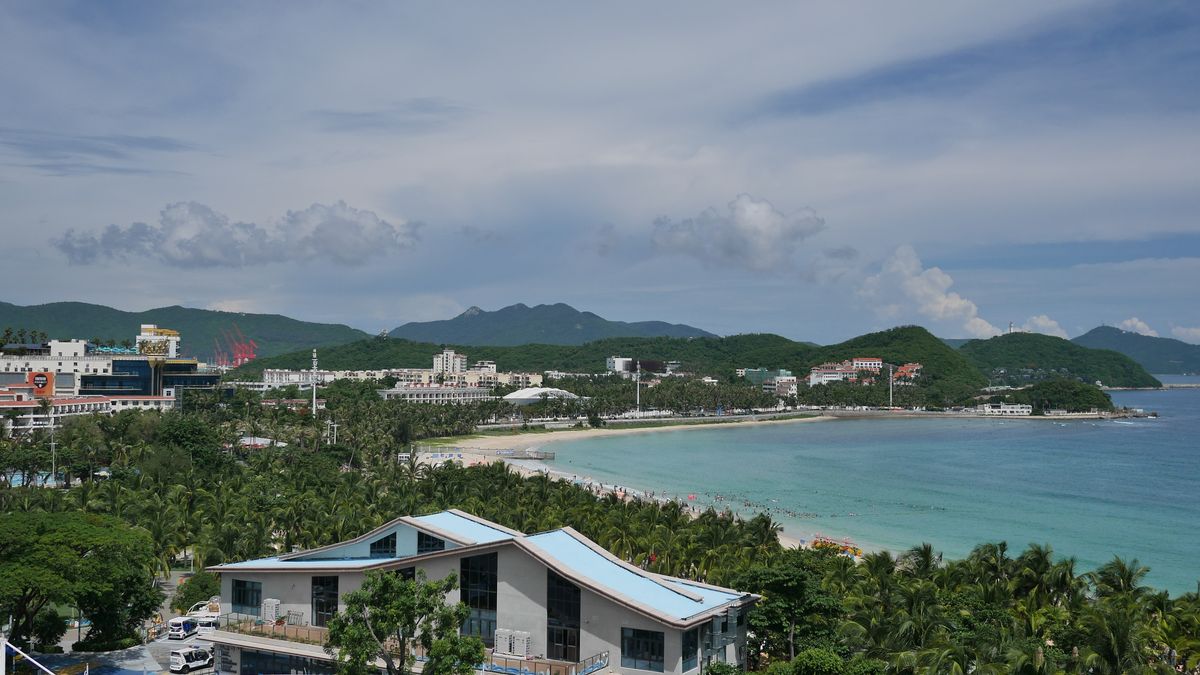
Hainan is China's southernmost province, across the Qiongzhou Strait from Guangdong. It has a tropical monsoon climate with small temperature swings through the year, mild summers and no severe winter cold. The island rises from low coasts to central highlands around Wuzhi Mountain, and it's a natural habitat for tropical rainforest (Hainan Government: overview).
- Visa-free entry: Hainan has its own 30-day visa-free policy for nationals of a list of countries. It only applies if you enter China directly through an approved port in Hainan, not if you arrive elsewhere in China first (Hainan Government: visa-free FAQ). Check the current list and rules before you book.
7. Gulangyu Island, China
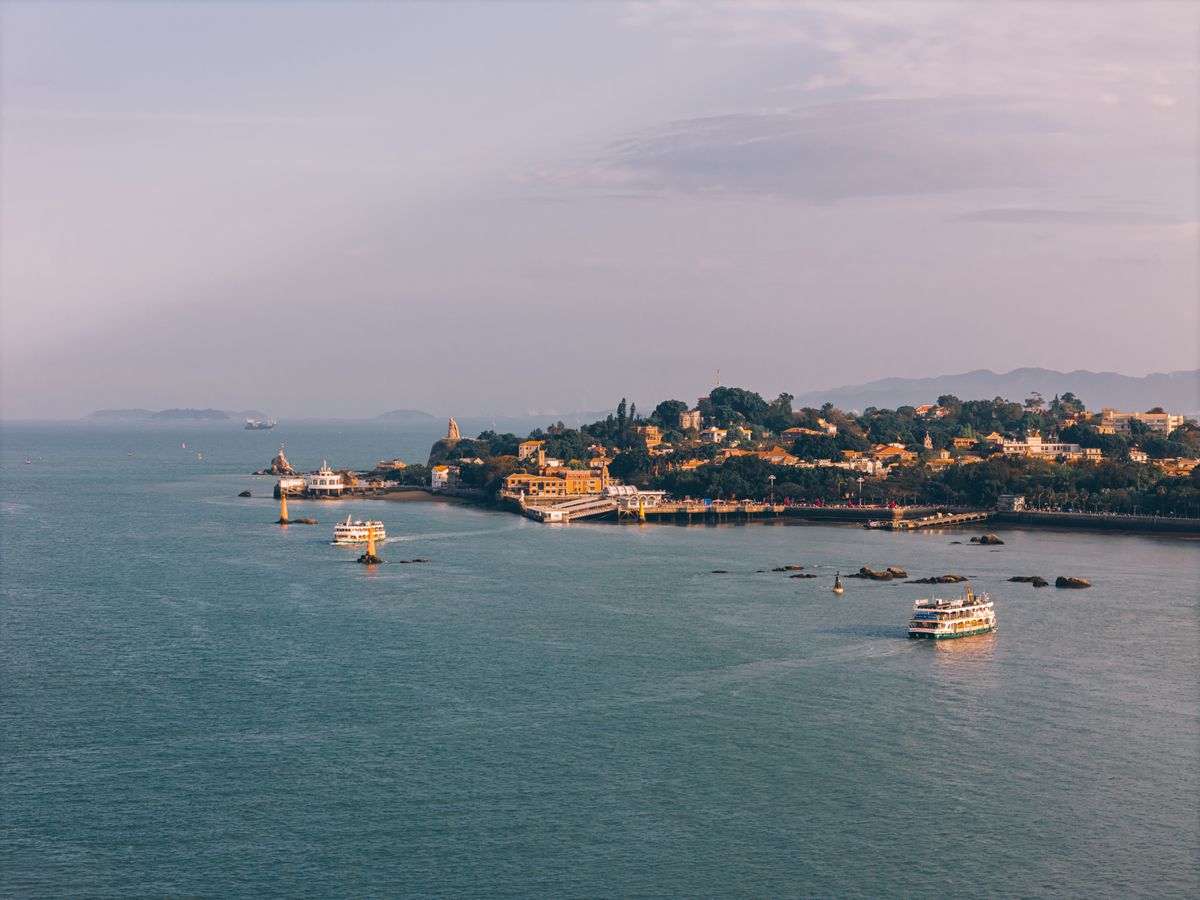
Gulangyu, also known as Kulangsu, lies off the coast of Xiamen in Fujian province. It became an international settlement in 1903, and its red brick buildings mix Chinese and Western styles. In 2017 it was inscribed as a UNESCO World Heritage Site. The island has a long reputation for music: the pipe organ museum in Bagua Mansion holds about 70 organs (Fujian Government: Gulangyu).
8. Penghu Islands, Taiwan
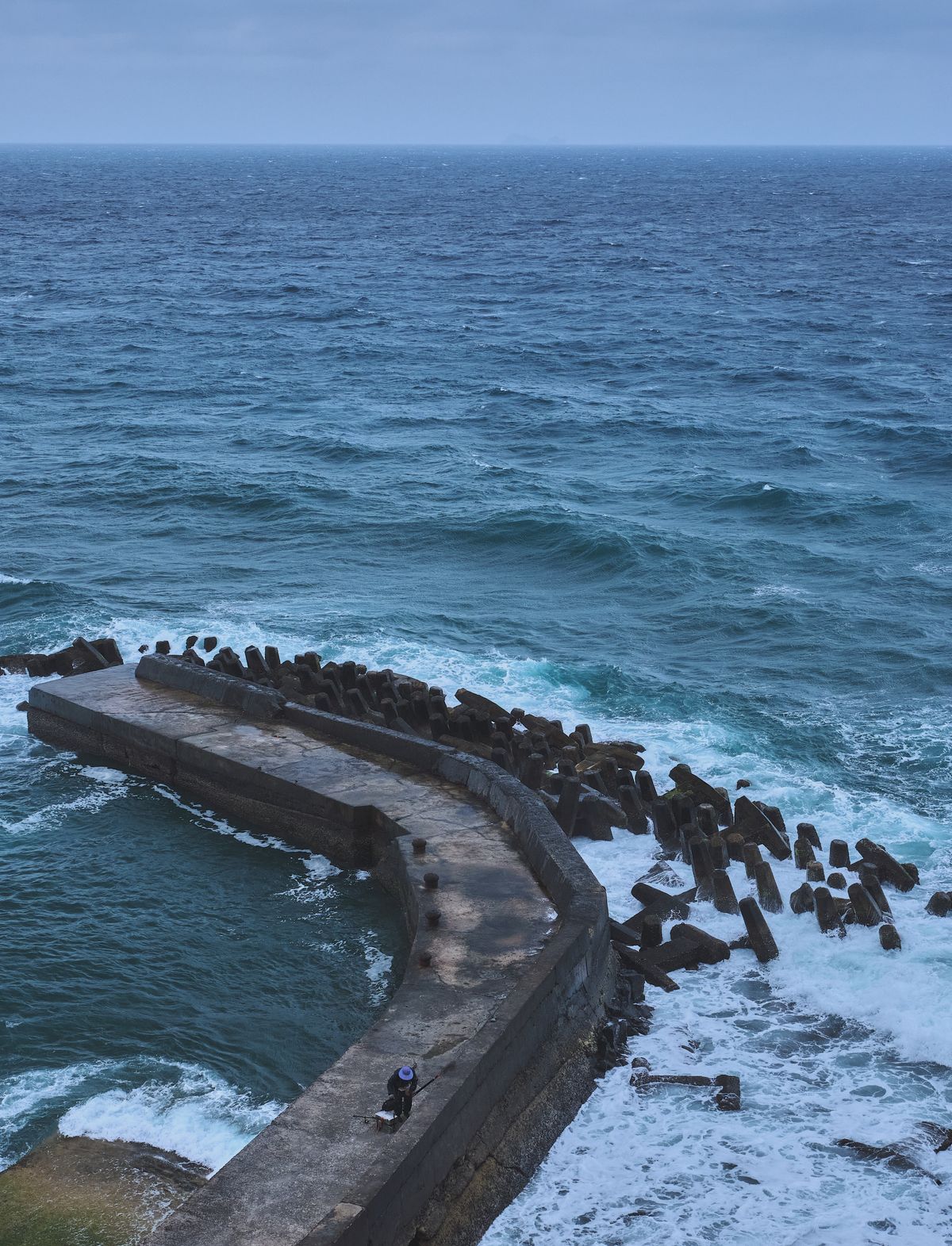
Penghu is an archipelago of 90 islands in the Taiwan Strait, between Taiwan and mainland China. Only 20 are inhabited, and the largest is Magong. Its coastline runs for more than 320 km, with basalt rock formations, coral reefs, sea-eroded cliffs and beaches, and a strong fishing culture (Taiwan Tourism: offshore islands). Several islands are protected as basalt nature reserves (Penghu National Scenic Area).
9. Green Island (Ludao), Taiwan
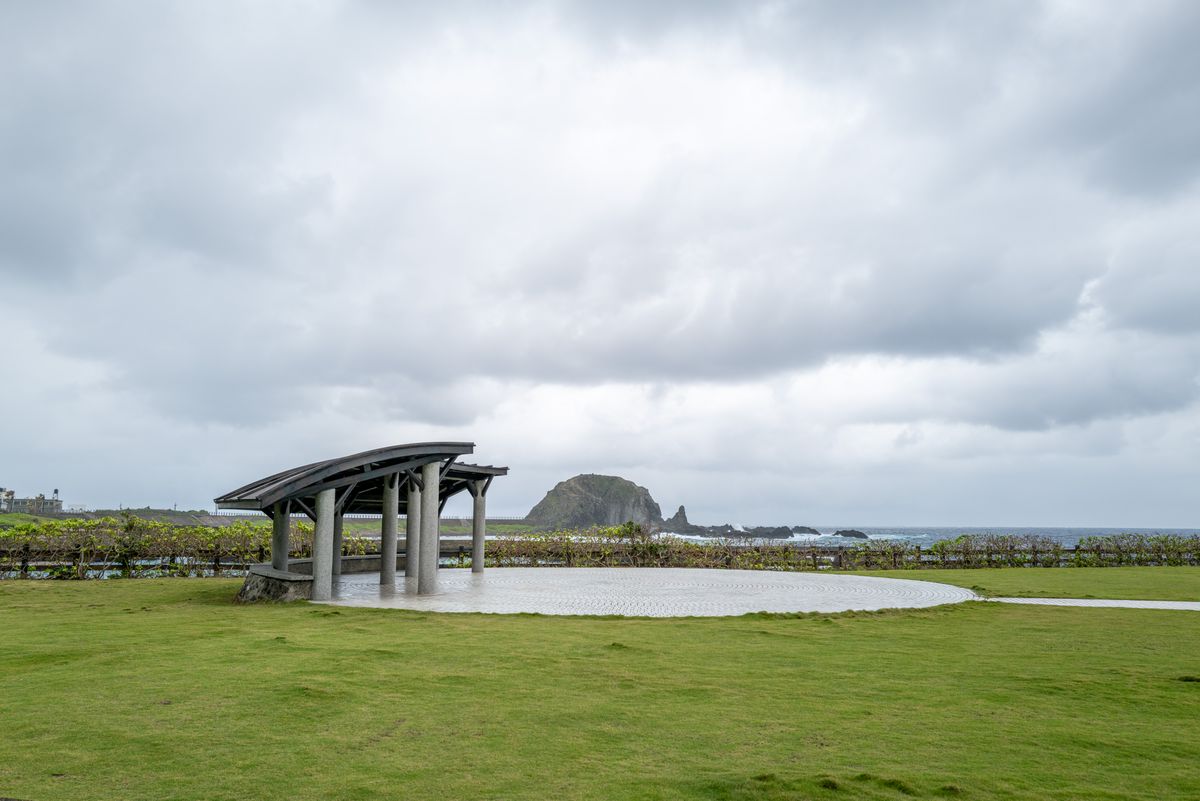
Green Island lies a short distance off Taitung, on Taiwan's east coast. Coral reefs make it a snorkelers' paradise, and a 16.3 km road loops the island past the lighthouse and its rock formations (Taiwan Tourism: Green Island). Its highlight is the Zhaori Hot Spring, fed by seawater and groundwater heated by volcanic lava. It's one of only three saltwater hot springs in the world, and you can soak in its open-air pools at sunrise or under the stars (Taiwan Tourism: Zhaori Hot Spring).
- Getting there: the ferry from Fugang Fish Harbor in Taitung takes about 50 minutes to an hour, and the flight from Taitung Airport about 15 minutes (East Coast National Scenic Area: ferries).
10. Orchid Island (Lanyu), Taiwan
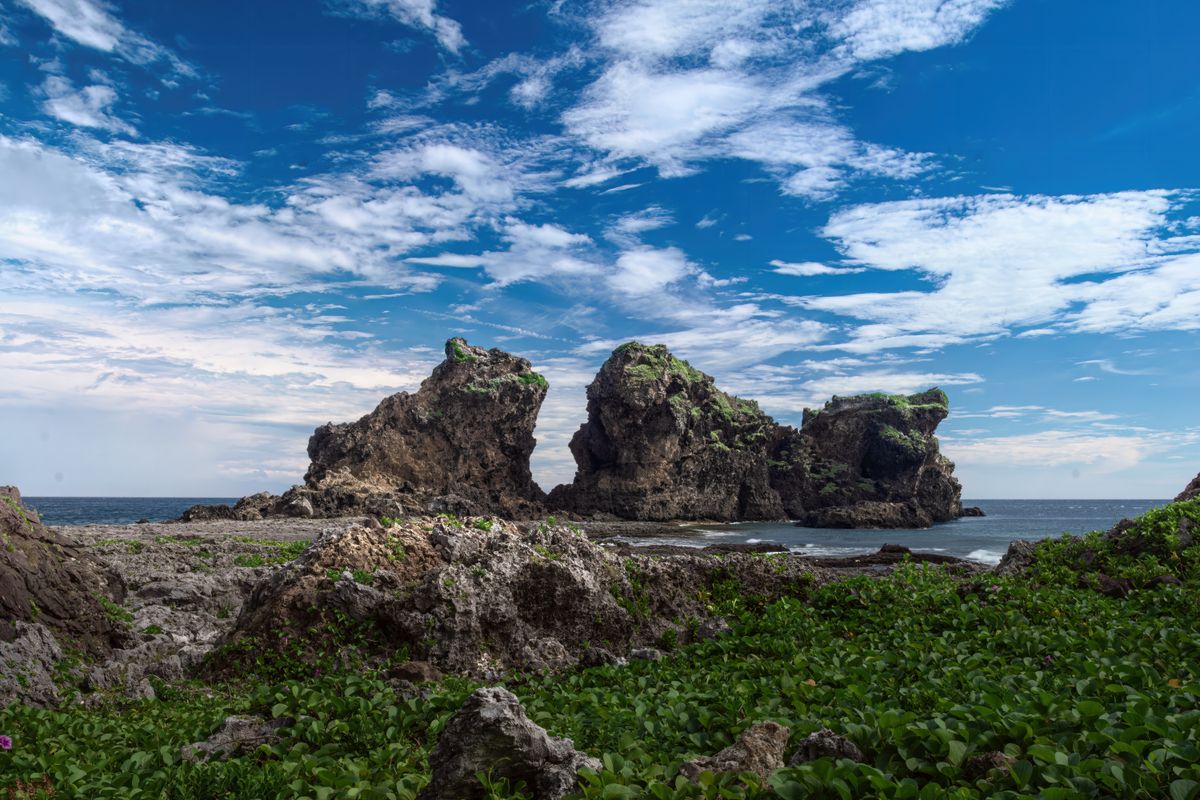
Orchid Island is a volcanic island off Taitung and home to the Yami (Tao) people. Their culture is tied to the sea: richly decorated canoes, semi-subterranean houses built against typhoons and summer heat, and ceremonies to launch a new boat or open the flying fish season (Taiwan Tourism: Orchid Island).
- Getting there: the ferry from Fugang Fish Harbor in Taitung takes about 2 hours, and the flight from Taitung Airport about 25 minutes. Ferries from Houbihu in Kenting don't run from October to March. Schedules change with the season and the weather, so check with the operators (East Coast National Scenic Area: flights).
11. Lantau Island, Hong Kong
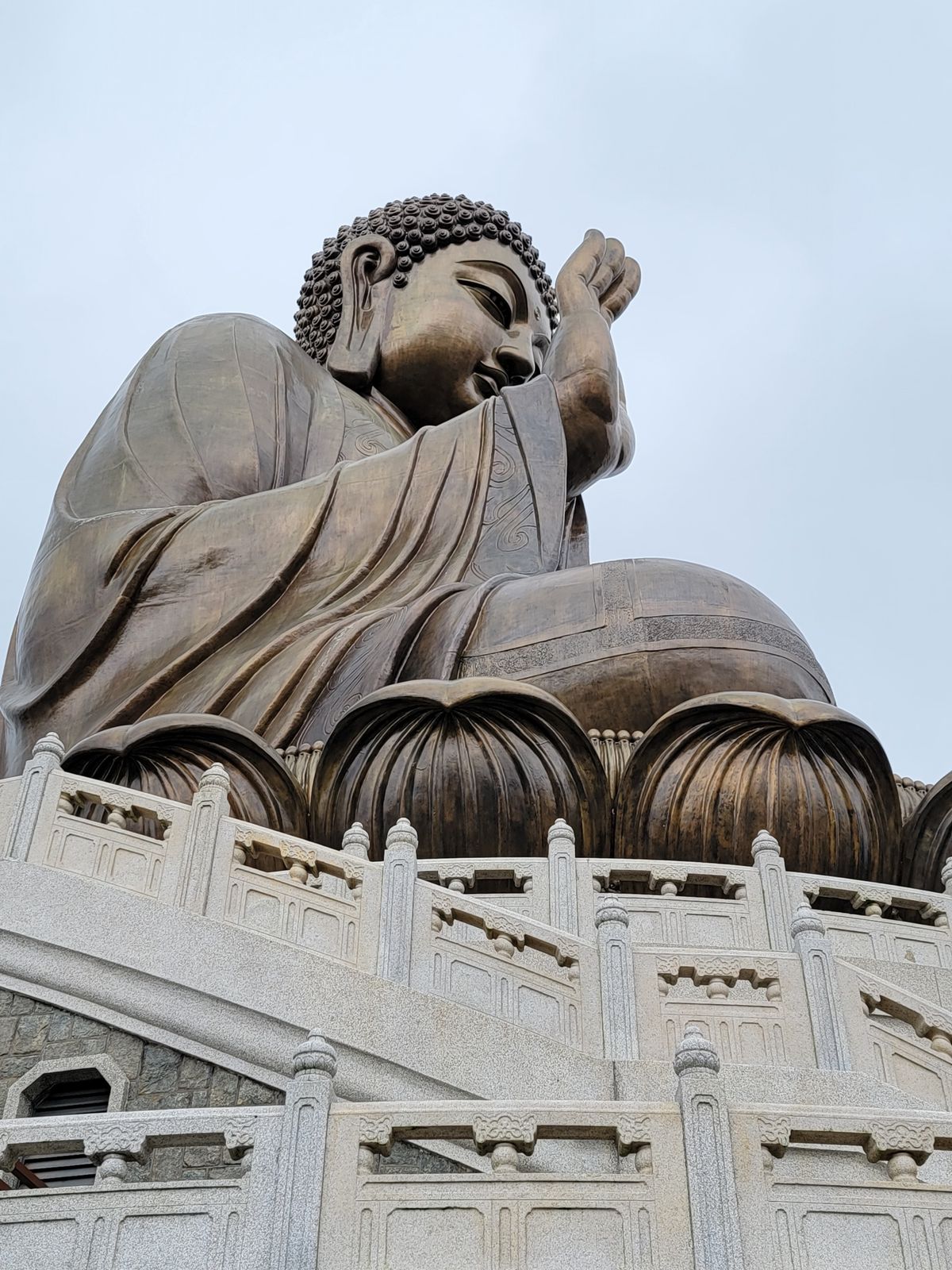
Lantau is Hong Kong's largest island, and more than half of it is protected country park (AFCD: Lantau South Country Park). At Ngong Ping you'll find Po Lin Monastery, the Wisdom Path and the Tian Tan Buddha, the world's largest outdoor bronze seated Buddha. On the west coast, Tai O is Hong Kong's oldest fishing village, known for its stilt houses and its Dragon Boat Water Parade (Islands District: Tai O and Ngong Ping).
- Getting there: the Ngong Ping 360 cable car runs from Tung Chung, next to the MTR station, and takes about 25 minutes (Islands District: Tian Tan Buddha). Ferries from Central to Mui Wo take about 35 to 40 minutes.
12. Lamma Island, Hong Kong
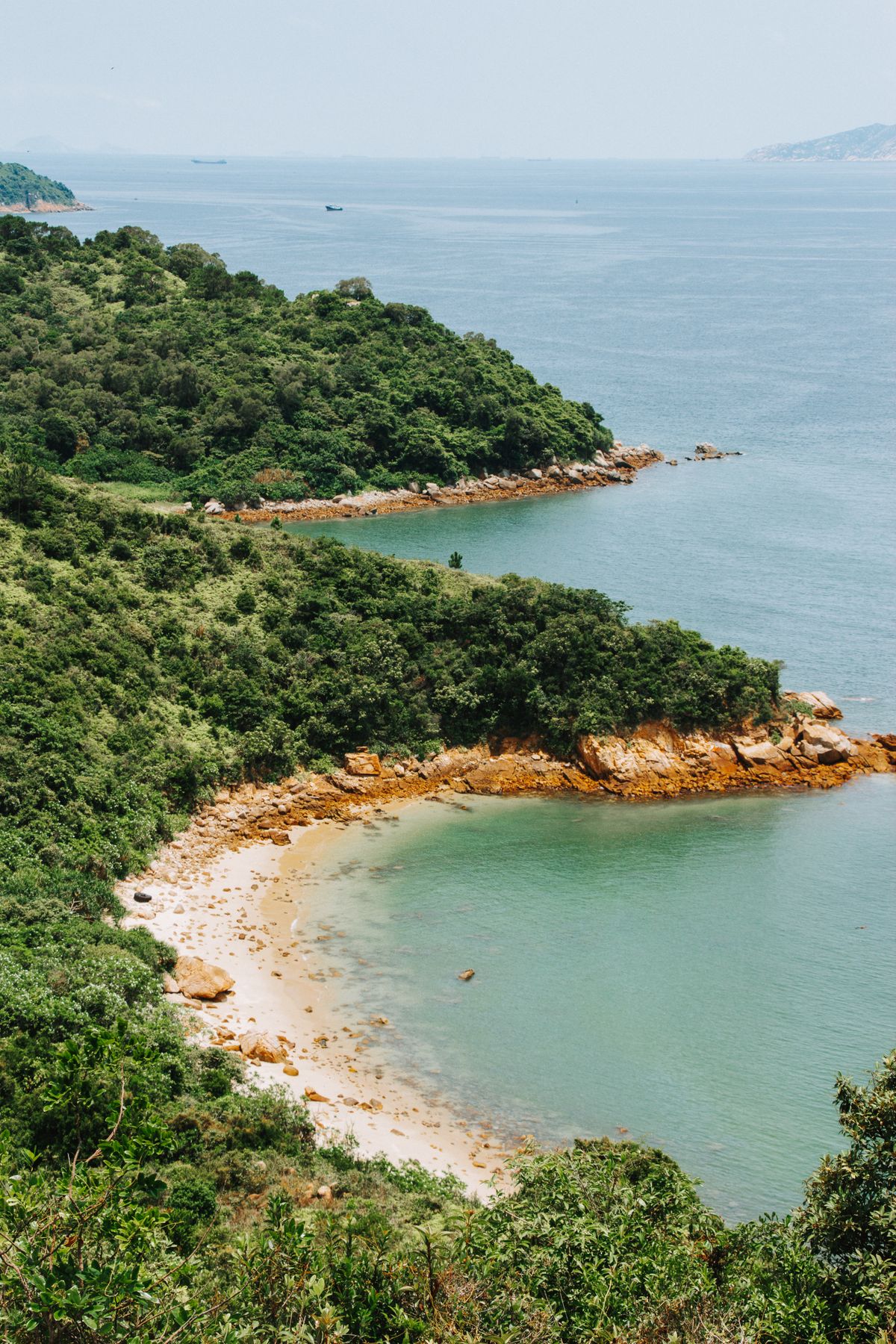
Lamma, south of Hong Kong Island, is Hong Kong's third largest island, about 14 km² with around 6,500 residents. It has fishing villages, beaches such as Hung Shing Yeh, and two main areas: Yung Shue Wan in the north, known for its seafood restaurants and lively dining scene, and Sok Kwu Wan in the south. A family trail links the two (Islands District: Lamma Island).
- Getting there: ferries from Central Pier 4 take about 27 minutes to Yung Shue Wan and 30 to 40 minutes to Sok Kwu Wan (Transport Department: ferry services).
13. Cheung Chau, Hong Kong
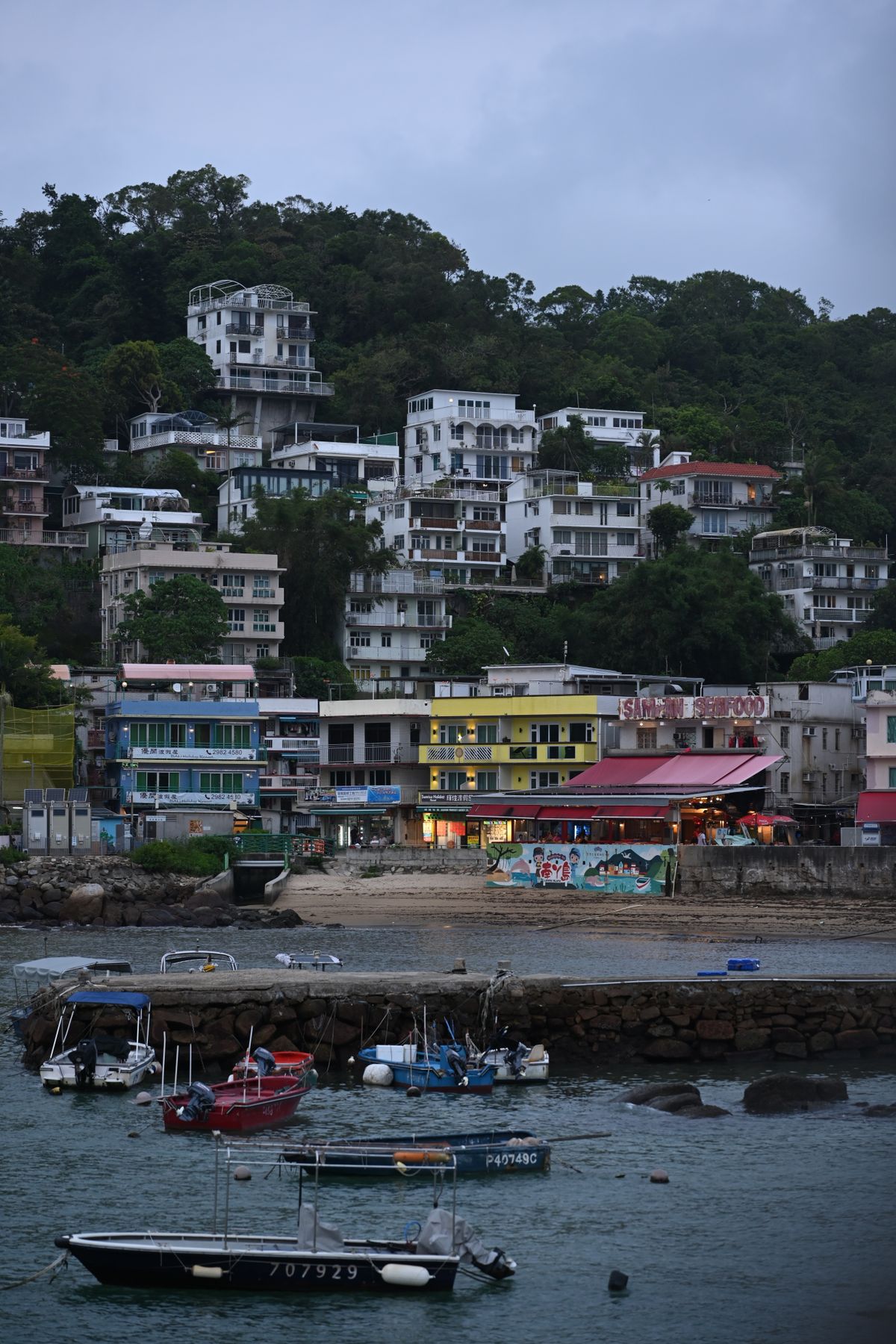
Cheung Chau is a dumbbell-shaped island southeast of Lantau, home to around 20,000 people. It's famous for the Cheung Chau Jiao Festival, often called the Bun Festival, with its Grand Parade and Bun Scrambling Competition on the eighth day of the fourth lunar month. Visit the Pak Tai Temple (Yuk Hui Temple), built in 1783, the beaches at Tung Wan and Kwun Yam Wan, and Cheung Po Tsai Cave (Islands District: Cheung Chau).
- Getting there: ferries from Central Pier 5 take about 55 to 60 minutes, or 35 to 40 minutes on the fast ferry.
Jeju vs Okinawa: which island should you pick?
Jeju and Okinawa are the two islands people compare most. Both are easy to reach and have beaches, but they feel quite different:
- Pick Jeju for volcanoes and hiking. Climb Hallasan, Korea's tallest mountain, watch the sunrise from Seongsan Ilchulbong and walk through a UNESCO-listed lava tube.
- Pick Okinawa for coral reefs and Ryukyu history. Snorkel and dive on the reefs, visit Shuri and the Ryukyu Kingdom sites, and hop on to Ishigaki or Miyako by plane.
- Getting there: Jeju has many domestic flights from Seoul and Busan. Okinawa has frequent flights from Tokyo to Naha.
- Staying online: you need a South Korea eSIM for Jeju and a Japan eSIM for Okinawa. Visiting both? One Asia eSIM covers South Korea and Japan.
Staying connected on the islands
Mobile coverage is usually best in the main towns. On boats, hiking trails and remote beaches, it can be weak or missing. A few tips:
- Download offline maps before you leave Wi-Fi, where your maps app allows it (Google Maps: download areas offline).
- Save ferry tickets, flight bookings and hotel details on your phone, so you can show them without signal.
- Keep your home line for calls and texts and use a travel eSIM for data. If you use both lines, you might still pay roaming fees on your home line (Apple: use eSIM while traveling).
Before you fly: install your eSIM on Wi-Fi
- Check your phone. It must support eSIM and be unlocked. See how to check eSIM compatibility.
- Install the eSIM at home on Wi-Fi by scanning the QR code. Step by step: how to install an eSIM.
When you land: switch on the right settings
- Turn on the travel eSIM line and choose it for mobile data.
- Turn on Data Roaming for the travel eSIM. Keep it off on your home line if you want to avoid roaming charges from your home carrier. More on data roaming.
Hopping between Japan, South Korea, China, Taiwan and Hong Kong? The SimOptions Asia eSIM covers all five, plus Macau and other Asian countries, on one plan. Staying in one country? A Japan or South Korea plan does the job. All of these are data-only, and they activate when you arrive in a covered country.
Asia, Japan and South Korea plans shown · data-only eSIMs, no phone number · Single-country plans: China eSIM, Taiwan eSIM, Hong Kong eSIM · Find the eSIM for your destination
FAQs
What are the main islands in East Asia?
Big names include Jeju (South Korea), Okinawa Island, Ishigaki, Miyako and Sado (Japan), Hainan and Gulangyu (China), Penghu, Green Island and Orchid Island (Taiwan), and Lantau, Lamma and Cheung Chau (Hong Kong).
Is Jeju Island in Japan?
No. Jeju is part of South Korea. Okinawa, Ishigaki, Miyako and Sado are the Japanese islands in this guide.
Is Hainan in Korea?
No. Hainan is China's southernmost province. Jeju is the Korean island in this guide.
Which is better, Jeju or Okinawa?
Choose Jeju for volcanic landscapes, Hallasan and lava tubes. Choose Okinawa for coral reefs, diving and Ryukyu history, with easy flights on to Ishigaki and Miyako.
What are the best islands to visit from Hong Kong?
Lantau, Lamma and Cheung Chau are all a ferry ride from Central. Lantau has the Tian Tan Buddha and Tai O, Lamma has seafood restaurants and a family trail, and Cheung Chau has temples, beaches and the Bun Festival.
Does one eSIM work across East Asia?
Yes. The SimOptions Asia plan covers Japan, South Korea, China, Taiwan, Hong Kong and Macau. On remote islands and at sea, signal depends on the local networks and can be weak, so download offline maps before you go.
Should I install my travel eSIM before I fly?
Yes. Install it at home on Wi-Fi. When you land, choose it for mobile data and turn on Data Roaming for that line.