How to Handle Emergency Situations Abroad
Traveling abroad can be an exciting experience, offering new cultures, landscapes, and adventures. However, emergencies can occur unexpectedly, and being in a foreign country might add more complexity to managing such situations. Whether it is a medical crisis, natural disaster, or personal safety concern, knowing how to respond effectively is crucial.
This article aims to provide practical advice and essential steps to help you navigate emergencies while abroad, ensuring you stay safe and informed no matter where your travels take you.
Continue reading to learn more!
Common Emergency Situations Abroad
When traveling abroad, it is crucial to be prepared for various emergencies. Here are some common emergencies you might encounter:
1. Medical Emergencies: This could include sudden illnesses, injuries, or accidents. It is important to have travel insurance, know the location of the nearest hospital, and understand basic medical phrases in the local language.
2. Lost or Stolen Passport: Losing your passport can be stressful, which is why it is essential to keep a copy of your passport. It should be in a separate location, so you do not risk losing both. In addition, do not forget to check the contact details of your country’s embassy or consulate. Check this article to learn more about it.
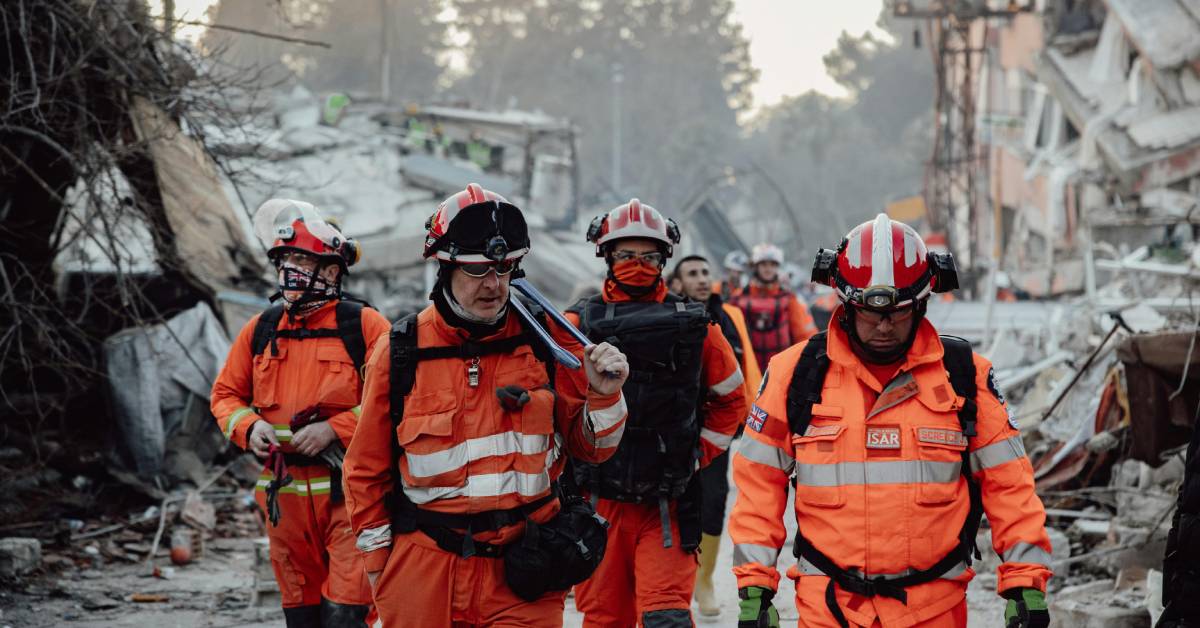
3. Natural Disasters: Earthquakes, hurricanes, floods, and other natural disasters can happen. Stay informed about local weather conditions and emergency procedures.
4. Theft or Mugging: Petty crimes like pickpocketing and mugging can be common in some areas. It is important to be always aware of your surroundings, especially at night.
5. Political Unrest: Protests or political instability can sometimes occur unexpectedly. Stay informed about the local political situation, avoid large gatherings, and follow any advice from local authorities.
6. Transportation Issues: Missed flights, canceled trains, or other mishaps can disrupt your travel plans. Have a backup plan, keep important phone numbers handy, and always leave some buffer time for unexpected delays.
7. Language Barriers: Not communicating effectively can become an emergency, especially in critical situations. Learning key phrases in the local language or having a translation app can be extremely helpful.
8. Cultural Misunderstandings: In some cases, not understanding local customs and laws can lead to trouble. Research cultural norms before your trip to avoid any legal or social issues.
How to prepare before the trip
Preventing emergencies while traveling requires careful planning and preparation. Here are some key steps to consider:
1. Research Your Destination:
– Understand local laws, customs, and emergency services.
– Check recent travel advisories from your government.
2. Health Precautions:
– Ensure vaccinations are up to date.
– Pack a travel health kit with necessary medications and first aid supplies.
3. Travel Insurance:
– Purchase comprehensive travel insurance that covers medical emergencies, trip cancellations, and lost belongings.
4. Emergency Contacts:
– Create a list of important contacts, including local emergency numbers, your embassy, and family back home.
5. Secure Important Documents:
– Keep copies of your passport, visa, and travel insurance in a secure place.
– Consider storing digital copies in a secure cloud service.
6. Local Knowledge:
– Familiarize yourself with the area, including safe neighborhoods and potential risks.
– Learn a few key phrases in the local language for better communication.
7. Financial Preparations:
– Have multiple payment methods (cash, cards) and notify your bank of your travel plans to avoid card issues.
8. Stay Connected:
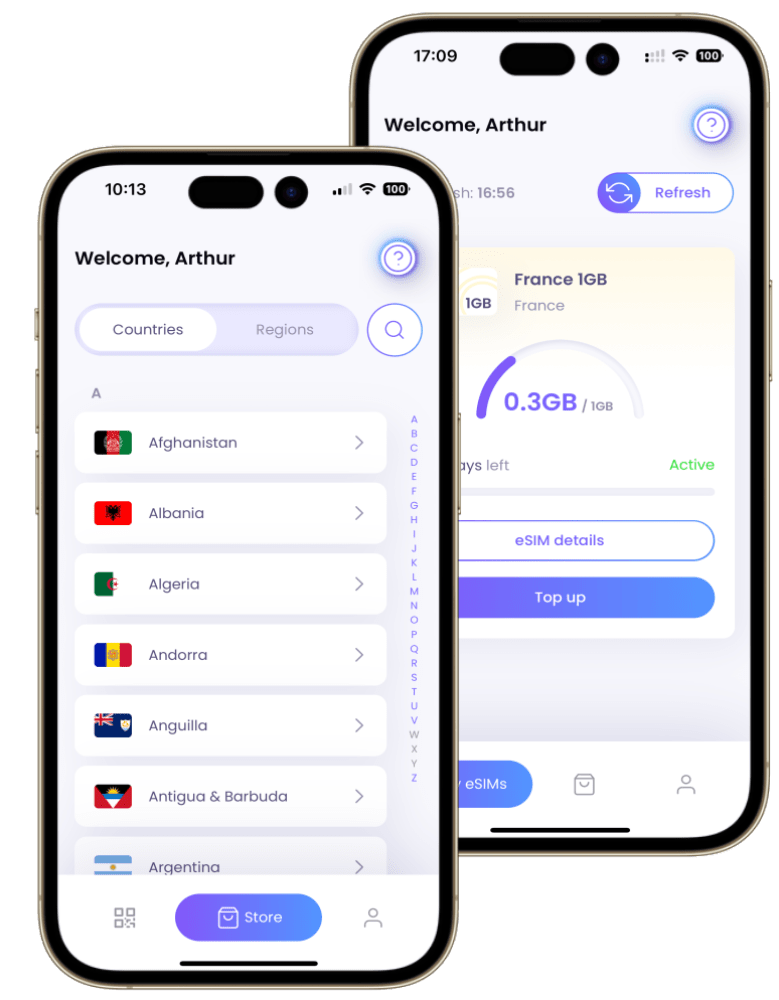
– Get a local SIM card or international plan for your phone to maintain communication.
9. Emergency Plan:
– Develop a plan for various scenarios (medical emergencies, natural disasters) and discuss it with your travel companions.
10. Stay Informed:
– Monitor local news and weather forecasts to stay updated on potential threats during your trip.
By taking these proactive steps, you can significantly reduce the likelihood of facing emergencies while enjoying your travels.
Key Tips to Handle Emergencies Abroad
Handling emergencies abroad effectively can make a significant difference in the outcome of the situation. Here are some key tips to help you navigate such scenarios:
1. Stay Calm and Assess the Situation:
Panic can cloud your judgment. Take a few deep breaths, remain composed, and think clearly about the steps you need to take.
2. Know Local Emergency Numbers:
Research and memorize the emergency contact numbers for the country you are visiting, such as police, ambulance, and fire services.
3. Keep Important Documents Accessible:
Carry copies of your passport, insurance details, and emergency contacts. Keep these documents in a secure yet accessible location.
4. Have a Communication Plan:
Ensure your phone is charged and has a means of connecting to the local network. Have a list of emergency contacts stored on your phone and written down.
5. Seek Help from Locals:
Locals can be invaluable in an emergency. Do not hesitate to ask for help, whether it is from a hotel staff member, passerby, or local business.
6. Contact Your Embassy or Consulate:
In case of serious emergencies, such as legal troubles or loss of important documents, contact your country’s embassy or consulate for assistance and guidance.
7. Utilize Your Travel Insurance:
Know the details of your travel insurance policy, including the emergency contact number and the coverage provided. Use it when necessary to get medical assistance or other services.
8. Stay Informed:
Keep an eye on local news and stay updated on any developments that could affect your safety, such as natural disasters or political unrest.
9. Follow Local Laws and Customs:
Respecting local laws and customs can prevent many emergencies. Make sure you’re aware of the cultural norms and legal regulations of the country you’re visiting.
10. Prepare an Emergency Kit:
Carry a small emergency kit with a flashlight, first-aid supplies, bottled water, and snacks. This can be extremely helpful in case of an unexpected situation.
11. Trust Your Instincts:
If a situation does not feel right, it probably is not. Trust your instincts and remove yourself from potentially dangerous situations as quickly as possible.
Navigating emergencies abroad can be daunting but being prepared and staying calm are key. By knowing local resources, maintaining communication, and having a solid plan, you can effectively manage any situation that arises during your travels. Remember, safety comes first, so prioritize your well-being to ensure a more enjoyable and secure journey!
FAQ’s
Q: What should I do if I lose my passport abroad?
• A: Immediately report the loss to local authorities and obtain a police report. Contact your country’s embassy or consulate to apply for an emergency travel document or passport replacement.
Q: What kind of insurance should I have when traveling abroad?
• A: Comprehensive travel insurance that covers medical emergencies, trip cancellations, lost luggage, and theft is essential. Check the policy details to ensure it meets your needs.
Q: How do I find medical assistance if I get sick or injured abroad?
• A: Locate the nearest hospital or clinic as soon as possible. Keep a list of local medical facilities and your travel insurance’s emergency contact number. Contact your embassy or consulate for assistance if needed.
Q: What should I do if there is a natural disaster while I’m traveling?
• A: Follow the instructions of local authorities and emergency services. Stay informed through local news and government alerts. If necessary, contact your embassy or consulate for guidance.
Q: How can I avoid becoming a victim of crime while traveling?
• A: Stay vigilant and aware of your surroundings. Avoid risky areas, especially at night. Secure your belongings and use hotel safes. Be cautious when sharing your travel plans with strangers.
Q: What should I do in case of political unrest or protests?
• A: Avoid large gatherings and demonstrations. Stay indoors if possible and monitor local news for updates. Contact your embassy for advice and avoid travel to affected areas.
Q: What should I do if I miss my flight or another form of transportation?
• A: Contact the airline, train, or bus company immediately to rebook your travel. Keep important phone numbers and booking details handy. Consider having a backup plan for unexpected delays.