Vietnam issues e-visas to citizens of every country, and you apply online on the Immigration Department's portal at evisa.gov.vn. The e-visa is valid for up to 90 days, for a single or multiple entries, and the government fee is US$25 for single entry or US$50 for multiple entry. Many travellers don't need one at all: citizens of 24 countries, including the UK, France, Germany, Italy, Spain, Japan and South Korea, can visit visa-free for up to 45 days. Here is who needs an e-visa, how to apply, how long it takes and how to avoid the copycat sites.
SimOptions sells eSIMs, and the plans below are ours. Installing one before you fly means you have data in Vietnam from the moment you land, to pull up your e-visa, message your hotel or book a ride.
SimOptions Vietnam eSIMs · data only, no phone number · 10GB for 7 days, 20GB for 15 days or 50GB for 30 days · See all Vietnam eSIMs
Do you need a Vietnam e-visa?
Start with the visa exemption lists. If your passport is on one of them and your trip fits the allowed stay, you can enter without any visa. If not, the e-visa is the simplest option. Vietnam's national tourism authority lists the current exemptions on its visa requirements page.
45 days visa-free: 24 countries
Citizens of these countries can stay up to 45 days from the date of entry without a visa, whatever the passport type:
- Group 1 (valid until 14 March 2028): Germany, France, Italy, Spain, the United Kingdom, Russia, Japan, South Korea, Denmark, Sweden, Norway and Finland.
- Group 2 (valid until 14 August 2028): Belgium, Bulgaria, Croatia, the Czech Republic, Hungary, Luxembourg, the Netherlands, Poland, Romania, Slovakia, Slovenia and Switzerland. The Vietnamese government confirmed this second group in Resolution 229, in force from 15 August 2025.
The tourism authority adds two conditions for the 45-day exemption: a passport valid for at least six months on entry, and a return ticket or proof of onward travel. If you want to stay longer than 45 days, you need an e-visa before you arrive.
Shorter exemptions for ASEAN and other partners
Other countries have visa-free stays under bilateral agreements. These are the ordinary-passport stays on the Ministry of Foreign Affairs' visa exemption list:
- 90 days: Chile and Panama.
- 30 days: Cambodia, Indonesia, Laos, Malaysia, Myanmar, Singapore and Thailand, and Belarus (no more than 90 days in total per calendar year).
- 21 days: the Philippines.
- 14 days: Brunei.
Phu Quoc only: 30 days
If you fly straight into Phu Quoc International Airport from abroad, or transit through an international transit lounge in Vietnam to get there, you can stay on Phu Quoc island for up to 30 days without a visa. If you then want to travel to other parts of Vietnam, you need a visa or an e-visa.
Everyone else: the e-visa
If your nationality is not on any of these lists, you need a visa, and the e-visa is open to citizens of all countries and territories. The Vietnamese government news portal confirms that Vietnam issues e-visas worldwide with a validity of up to 90 days. For a general primer on how visas work, see our guide to understanding visa requirements.
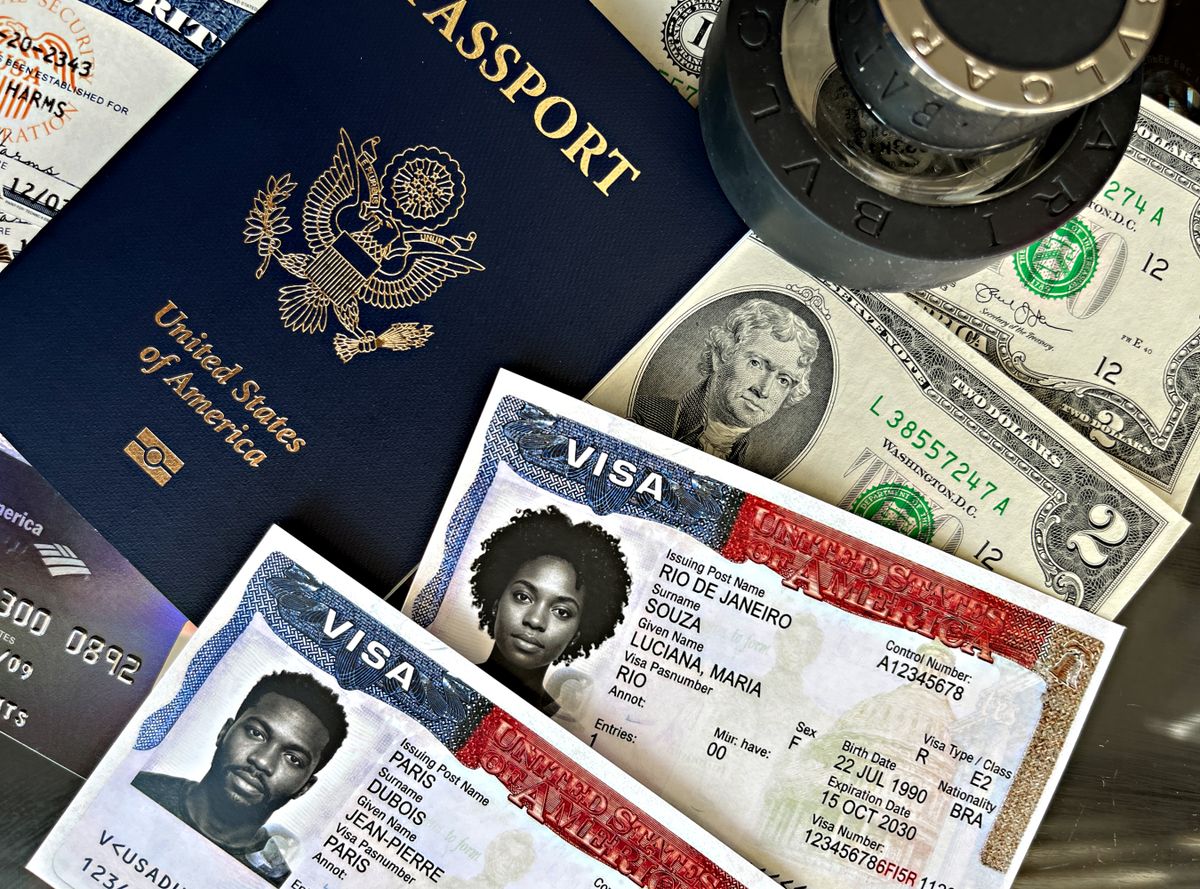
Vietnam e-visa at a glance
| What | Details |
|---|---|
| Who can apply | Foreigners outside Vietnam with a valid passport, of any nationality |
| Validity | Up to 90 days |
| Entries | Single or multiple |
| Government fee | US$25 single entry, US$50 multiple entry |
| Payment | Online, through the portal's payment gateway, not refunded if refused |
| Processing | About 3 to 5 working days |
| Official portal | evisa.gov.vn or thithucdientu.gov.vn |
The validity, entry types and refund rule come from the Vietnam Immigration Department's e-visa page. The fees are confirmed by the government news portal, and the processing time by the national tourism authority.
Who can get an e-visa
The Immigration Department sets three conditions. You must:
- Be outside Vietnam when you apply.
- Hold a valid passport.
- Not be barred from entry under Article 21 of Vietnam's law on the entry of foreigners.
Two practical points follow. First, if you get an e-visa while you are already in Vietnam, the UK government's travel advice says you must leave the country and re-enter to start using it. Second, some categories of travellers, such as certain official delegations and diplomatic staff, cannot use the e-visa portal and apply through their inviting agency instead. That does not affect ordinary tourists.
How to apply, step by step
You apply yourself, online, on the official portal. The Immigration Department announced that since 11 November 2024 its e-visa portal runs on two domains, evisa.gov.vn and thithucdientu.gov.vn. Both are official.
- Check your passport. It should be valid for at least six months after the date you arrive and have at least two blank pages, according to both the tourism authority and the UK travel advice.
- Plan your dates and border gates. Decide when you will enter, how long you will stay, and which airport, land border or seaport you will use to enter and leave. E-visa holders must use the designated gates, and the e-visa restricts you to the entry and exit points you choose.
- Choose single or multiple entry. Pick multiple entry if you plan a side trip, for example to Cambodia or Laos, and want to come back into Vietnam on the same e-visa.
- Fill in the form on evisa.gov.vn. Open the section for foreigners applying from outside Vietnam and enter your details exactly as they appear in your passport.
- Pay the fee online. US$25 or US$50, through the portal's electronic payment gateway. The fee is not refunded if your application is refused.
- Keep your application code. You need it to check the result. The tourism authority says you receive your code by email and can then print your e-visa or access it on the official website. The Immigration Department also has an e-visa search page.
- Check every detail. Name, date of birth, passport number, dates and port of entry. A typo can cause problems at the border.
- Save it twice. Print a copy and keep a PDF or screenshot on your phone that opens without a connection.
When to apply
With processing at around 3 to 5 working days, apply at least a week before you fly, and leave extra margin if your trip falls around a public holiday. "Working days" excludes weekends.
Which airports and borders accept the e-visa
You must enter and leave Vietnam through the international border gates designated for e-visa holders. Government Resolution 389 of 2 December 2025 brought the list to 83 border gates, as reported by the government news portal. All the main international airports are on it:
- Noi Bai (Hanoi), Tan Son Nhat (Ho Chi Minh City) and Da Nang
- Cam Ranh (Khanh Hoa), Phu Quoc, Cat Bi (Hai Phong), Can Tho and Phu Bai (Hue)
- Van Don, Tho Xuan, Dong Hoi, Phu Cat, Lien Khuong (Lam Dong), Vinh and Chu Lai
- Long Thanh and Gia Binh, once they open
Major land borders with China, Laos and Cambodia, such as Moc Bai, Lao Bao and Huu Nghi, and seaports including Ho Chi Minh City, Da Nang, Nha Trang and Hai Phong, are also on the list. The tourism authority's visa page carries the full list of 83 gates. If you are arriving overland or by cruise ship, check your exact crossing there before you apply.
Scams and copycat sites
Search for "Vietnam e-visa" and you will see many sites that look official, charge far more than US$25 and sometimes add "service" or "urgent" fees. The tourism authority warns travellers to "avoid unauthorized third-party agencies charging inflated fees" and to check for the official evisa.gov.vn domain.
- Check the address bar. The official portals end in .gov.vn: evisa.gov.vn and thithucdientu.gov.vn. A site with "vietnam" and "visa" in a .com, .org or .net name is not the government.
- Check the price. The government fee is US$25 or US$50. Anything higher means a middleman.
- Don't pay twice. If you already applied on the official portal, ignore emails offering to "speed up" or "fix" your application for a fee.
- Questions go to the source. The Embassy of Vietnam in the United States points e-visa questions to the Immigration Department at foreigners@immigration.gov.vn, since e-visas are processed in Hanoi, not by embassies.
At the border: what to have ready
When you land, you show your passport and e-visa at immigration. Have these ready:
- Your e-visa, printed and saved on your phone. A screenshot works even without signal.
- Your passport, the same one you used to apply.
- Your onward or return ticket and hotel booking, in case you are asked.
- The pre-arrival declaration, if you filled it in. Vietnam now has an official online pre-arrival form, strongly advised at the five major airports: Noi Bai, Tan Son Nhat, Da Nang, Cam Ranh (Nha Trang) and Phu Quoc. It does not replace your visa, but it can save time in the queue. See our guide to the Vietnam pre-arrival card.
Before you leave the immigration desk, check the stamp in your passport. The UK travel advice warns that if the date you must leave by is wrong, you could be accused of overstaying, and it will not be changed once you have left the airport or land border.
Have data when you land
You don't need an eSIM to enter Vietnam, but being online from the gate helps: you can open your e-visa email if a printout goes missing, message your driver and use ride apps. Install your eSIM at home, following our eSIM installation guide, and turn it on when you land. Our best eSIM for Vietnam guide and our overview of eSIM providers in Vietnam cover coverage and plan choice.
Common mistakes to avoid
- Using a lookalike site and paying several times the official fee.
- Entering through the wrong gate. Your e-visa is tied to the entry and exit points you chose.
- A different passport. Vietnam requires you to enter and leave on the same passport, so don't renew it between applying and travelling.
- A passport that is too short (less than six months left on arrival) or damaged. The UK travel advice notes travellers have been refused entry and exit over passport damage. If yours is lost on the trip, see what to do if you lose your passport.
- Overstaying. Fines and exit delays follow, so count your days from the date of entry.
How we put this guide together: we checked these details on 25 November 2026 on the Vietnam Immigration Department's website, the Vietnamese government news portal, the Vietnam National Authority of Tourism's visa page, the Embassy of Vietnam in the United States and the UK government's travel advice. The e-visa application portal itself could not be loaded from our location, so we relied on these official pages for its rules. Rules change, so check evisa.gov.vn before you apply.
FAQ: Vietnam e-visa
How much does a Vietnam e-visa cost?
US$25 for a single-entry e-visa and US$50 for a multiple-entry e-visa, paid online on the official portal. The fee is not refunded if the application is refused.
How long can I stay on a Vietnam e-visa?
Up to 90 days. You choose your dates when you apply.
How long does the e-visa take?
About 3 to 5 working days, according to the national tourism authority. Apply at least a week ahead.
What is the official Vietnam e-visa website?
evisa.gov.vn, run by the Immigration Department of the Ministry of Public Security. Since 11 November 2024, thithucdientu.gov.vn has been its official twin domain.
Do UK citizens need a visa for Vietnam?
Not for stays of up to 45 days. British citizens are on the 45-day exemption list. For a longer stay, apply for an e-visa before you travel.
Do US, Canadian or Australian citizens need a visa for Vietnam?
These countries are not on the exemption lists published by the tourism authority, so their citizens need a visa. The e-visa is the usual route.
Can I extend my stay with the exemption and an e-visa?
If you are visa-exempt and want to stay more than 45 days, the tourism authority advises applying for an e-visa before you arrive. If you get an e-visa while already in Vietnam, you must leave and re-enter to start it.
Is the pre-arrival card the same as the e-visa?
No. The pre-arrival declaration is a separate online form that gives immigration your trip details before you land. It is not a visa. Read our Vietnam pre-arrival card guide.