

For most trips today, the best international SIM card isn't a plastic card at all. It's a regional travel eSIM: a digital SIM you install on your phone before you leave, which then works in every country of the region you're visiting. A physical international SIM card still makes sense in a few cases, for example if your phone doesn't support eSIM. This guide compares the two honestly, shows when each one fits, and helps you pick the right plan for Europe, Asia or the USA.
Know where you're going? These regional eSIMs cover the destinations most travellers ask us about. All three are data-only and work in several countries with one install, except the USA plan, which covers the US.
Data-only eSIMs · Europe · Asia · USA · All destinations
What is an international SIM card?
An international SIM card is a SIM made to work in many countries instead of one. It connects to partner networks wherever you are, so you don't need to buy a new SIM at every border. When you travel, you have four ways to stay online:
- Roaming with your home carrier: your usual SIM and number, at your carrier's roaming rates or with a travel pass.
- A local SIM card: a prepaid SIM bought in the country you visit. It gives you local rates, but only in that country.
- A physical international SIM card: one plastic card that works in many countries, usually ordered online and posted to you before your trip.
- A travel eSIM: the same idea as an international SIM card, but digital. You buy it online, scan a QR code and you're set up in minutes.
Not sure how a SIM or an eSIM works? Our guide to the different types of SIM cards explains the sizes and formats.
Local SIM cards vs international SIM cards
Local SIM card
A local SIM is often the cheapest option for a long stay in one country, and it usually gives you a local phone number. The downsides: you buy it after you land, you may need to show your passport (Apple notes that some locations require ID to buy a plan), and it only works in that country. Visit four countries and you may need four SIMs.
International SIM card
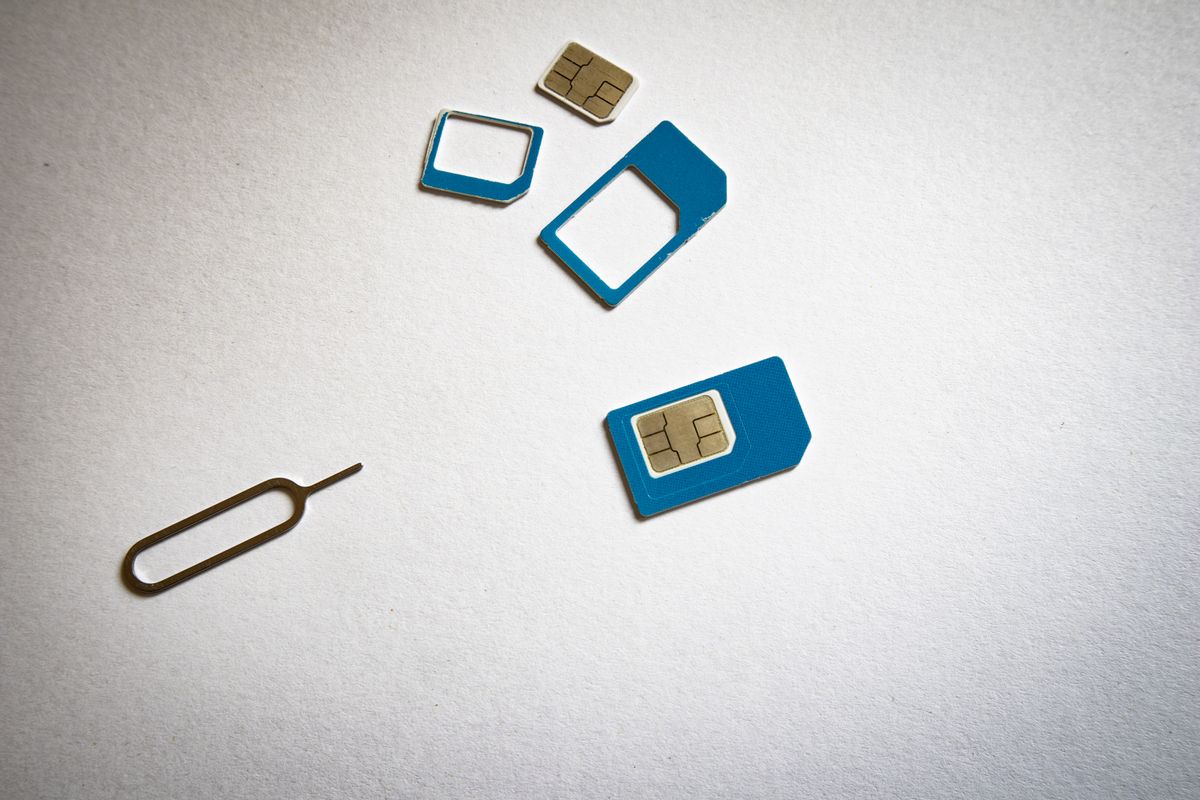
An international SIM covers many countries with one card, so it suits trips with several stops. But a physical card has to reach you by post before you fly, you need a SIM tool to swap it in, and while it's in your phone, your home SIM is out of the tray unless your phone has two slots.
Regional travel eSIM
A travel eSIM covers a whole region like an international SIM, with no card to post or swap. Your home SIM stays in place, so you can keep your usual number on for texts and security codes while the eSIM handles data. That's why we now sell eSIMs only.
International SIM card vs eSIM: which is better for travel?
Here's how a physical international SIM card and a travel eSIM compare on the things that matter on a trip:
- Getting it: a physical SIM is posted to you or bought on arrival. An eSIM arrives by email or in an app, even the night before you fly.
- Setting it up: a physical SIM goes in the tray with a SIM tool. An eSIM is installed by scanning a QR code or entering a code manually.
- Your home number: with a physical SIM, your home SIM usually comes out. With an eSIM, your home line can stay on at the same time on most phones. Apple explains how this works on its page about using eSIM while traveling internationally.
- Losing it: a tiny plastic card is easy to lose. An eSIM can't fall out of your phone.
- Compatibility: any unlocked phone with a SIM tray takes a physical SIM. An eSIM needs an eSIM-compatible, unlocked phone.
- Phone number: some physical SIMs include a number. Most travel eSIMs are data-only, though some, like the Bouygues Telecom plans for Europe, include one.
If you're still deciding between roaming and an eSIM, our guide to the best eSIM for international travel compares the cost with your carrier's roaming fees.
When a physical SIM card still makes sense
An eSIM isn't the right answer for everyone. A physical SIM, international or local, is still the better choice when:
- Your phone doesn't support eSIM. On iPhone, eSIM needs an iPhone XS or later. Some budget Android phones and older models only take a physical SIM. Check your phone's eSIM compatibility first.
- Your phone is carrier-locked. A locked phone won't accept another carrier's SIM or eSIM. Ask your carrier to unlock it before you travel (see Apple's unlocking guide or our guide on how to unlock your phone).
- You use a device that only takes SIM cards, like an older tablet, a basic phone or a mobile router.
- You're staying for months and need a local number. A local prepaid plan from a carrier in that country often fits better.
- You swap one SIM between several devices during the trip. Moving a plastic card is quicker than moving an eSIM.
The trend is going the other way, though. Some new phones no longer take a physical SIM at all: Apple's iPhone 18 Pro specs for the US list eSIM only, and Google says US models of the Pixel 10 and later (except the Pixel 10 Pro Fold) can only use an eSIM. If you have one of these phones, an eSIM is your only option.
Best international SIM card options by destination
There's no single SIM card that works best in every country. What matters is that your plan covers every stop on your route, with enough data for your days away. Here's what we suggest by region.
Europe (including the UK)
Our Europe data eSIMs cover 34 countries, including the UK, Switzerland and Turkey, with plans from 1 GB to 50 GB and an unlimited data option for 7 or 14 days. If you live in the EU, you may not need one for trips inside the EU: roam like at home rules apply there, but not in the UK or Switzerland. For a full comparison, read our guide to the best eSIM for Europe.
Europe with a phone number
Want something closer to a classic SIM card, with a number people can call? In Europe, the Bouygues Telecom plans come with a French +33 number, unlimited calls and SMS within Europe, and 5G data in 46 countries. Travel Basic+ is made for trips of up to 15 days.
For longer stays, see Europe eSIMs with a phone number.
Asia and the Middle East
Our Asia eSIM covers 26 countries, from Japan, South Korea, Thailand and Singapore to India, Turkey and the United Arab Emirates. China is on the list too. Plans run from 1 GB to 50 GB. Vietnam isn't covered by the Asia plan, so check your destination before you buy.
USA
For the US, a single-country eSIM is the simplest choice. Plans run from 1 GB for 3 days to 100 GB for 180 days, so they also suit long stays. Visiting Canada or Mexico as well? Look at our North America eSIMs.
Several continents
We don't sell one plan for every continent. For a trip across several regions, get one regional eSIM per region and install them all before you fly. Your phone can store several eSIMs and you switch between them in settings.
How to switch from a SIM card to a travel eSIM

- Check your phone. Make sure it supports eSIM and is unlocked. On iPhone, go to Settings > General > About and look for No SIM restrictions next to Carrier Lock.
- Buy the eSIM for your region. Pick a plan that covers every country on your route, with enough data and days.
- Install it before you leave, while you're on Wi-Fi. Scan the QR code or follow the steps in the email. Leave your home SIM where it is.
- When you land, set the travel eSIM as your line for mobile data. Keep data roaming off on your home line so you don't pay roaming fees by mistake.
- Need to call? Use WhatsApp, FaceTime or Wi-Fi calling. Our guide on making calls with a data-only eSIM explains how.
Which SIM card is most used in the world?
If you're wondering which SIM card or network is the biggest, it depends on how you count. By number of customers, China Mobile is one of the largest: it reported over 1 billion mobile customers in 2026. In India, Reliance Jio and Bharti Airtel each have hundreds of millions of users, according to the TRAI subscription reports.
But the biggest network at home isn't the best SIM for travel. A Chinese or Indian SIM roams abroad at that carrier's roaming rates, like any other home SIM. For a trip, what counts is a plan that covers the countries you're visiting.
FAQs
What is the best international SIM card?
For most travellers with a recent phone, a regional travel eSIM is the best option: it covers several countries, installs in minutes and lets you keep your home number on the same phone. If your phone doesn't support eSIM, a physical international SIM card or a local SIM is the way to go.
Is there one SIM card that works in every country?
Some global SIM cards and eSIMs cover long lists of countries, but coverage always has gaps and varies by network. Check that every stop on your route is on the plan's country list before you buy.
Does SimOptions still sell physical SIM cards?
No. We now sell eSIMs only. You receive your eSIM by email and install it on your phone, with no card to post or swap.
Is an eSIM better than an international SIM card?
For most trips, yes. An eSIM arrives instantly, can't get lost and leaves your home SIM in place. A physical SIM is better if your phone doesn't support eSIM or you want to move one card between devices.
Can I use an eSIM and a physical SIM at the same time?
On most recent phones, yes. Phones with a SIM tray can usually run a physical SIM and an eSIM together, so you keep your home number on the SIM and use the eSIM for data.
Do international SIM cards come with a phone number?
Some do, but most travel eSIMs are data-only. At SimOptions, the Bouygues Telecom plans for Europe include a French +33 number. All our other plans are data-only.
Which SIM card is most used in the world?
By number of customers, China Mobile is one of the largest mobile operators, with over 1 billion mobile customers in 2026. That doesn't make it a good travel SIM: abroad, it roams like any home SIM.
Do I need my passport to buy a SIM card abroad?
In some countries, yes, you need ID to buy a local SIM. With a travel eSIM bought online before your trip, you skip the shop.