


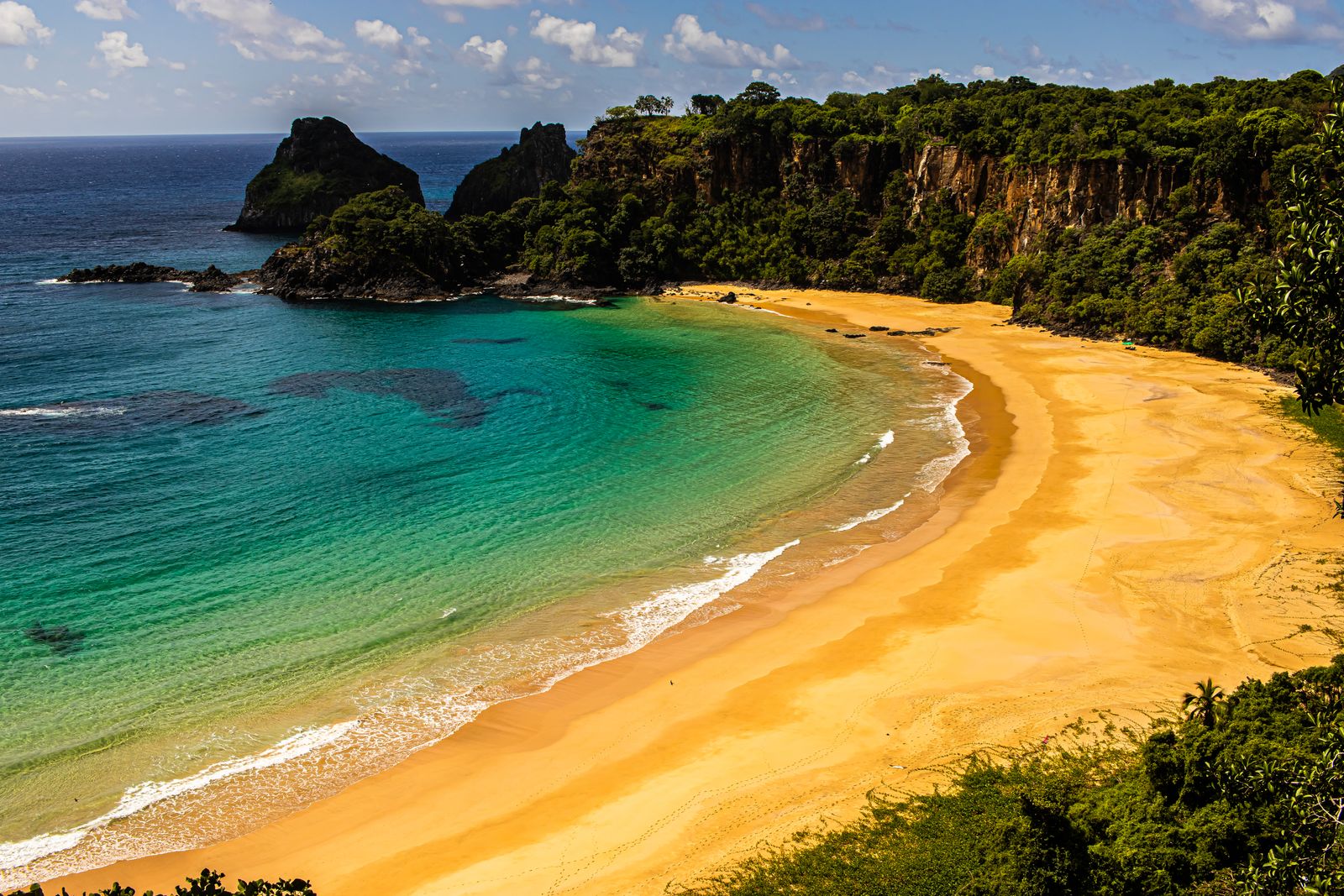
Looking for the best islands to visit in South America? The islands in and around South America range from the Galápagos Islands and Easter Island in the Pacific to Fernando de Noronha, Ilhabela and Ilha Grande off Brazil's Atlantic coast, and Caribbean islands off Colombia and Venezuela. This guide covers 12 South American islands: where each one is, how you get there, which entry fees or permits to check before you go, and how to stay online once you arrive.
Islands in South America at a glance
None of South America's 12 independent countries is an island nation. But many islands off the coast of South America belong to them, and they fall into three groups:
- Pacific islands: the Galápagos Islands (Ecuador), Easter Island and Chiloé (Chile).
- Atlantic islands: Fernando de Noronha, Ilhabela and Ilha Grande (Brazil).
- Caribbean islands near South America: Isla Margarita and Isla de Coche (Venezuela), the Rosario Islands, Isla Barú and San Andrés (Colombia), and Aruba, which is part of the Kingdom of the Netherlands.
Planning a trip across several of these countries? You can use one eSIM for the whole trip. See the section on staying connected below.
The 12 best islands to visit in South America
1. Galápagos Islands, Ecuador
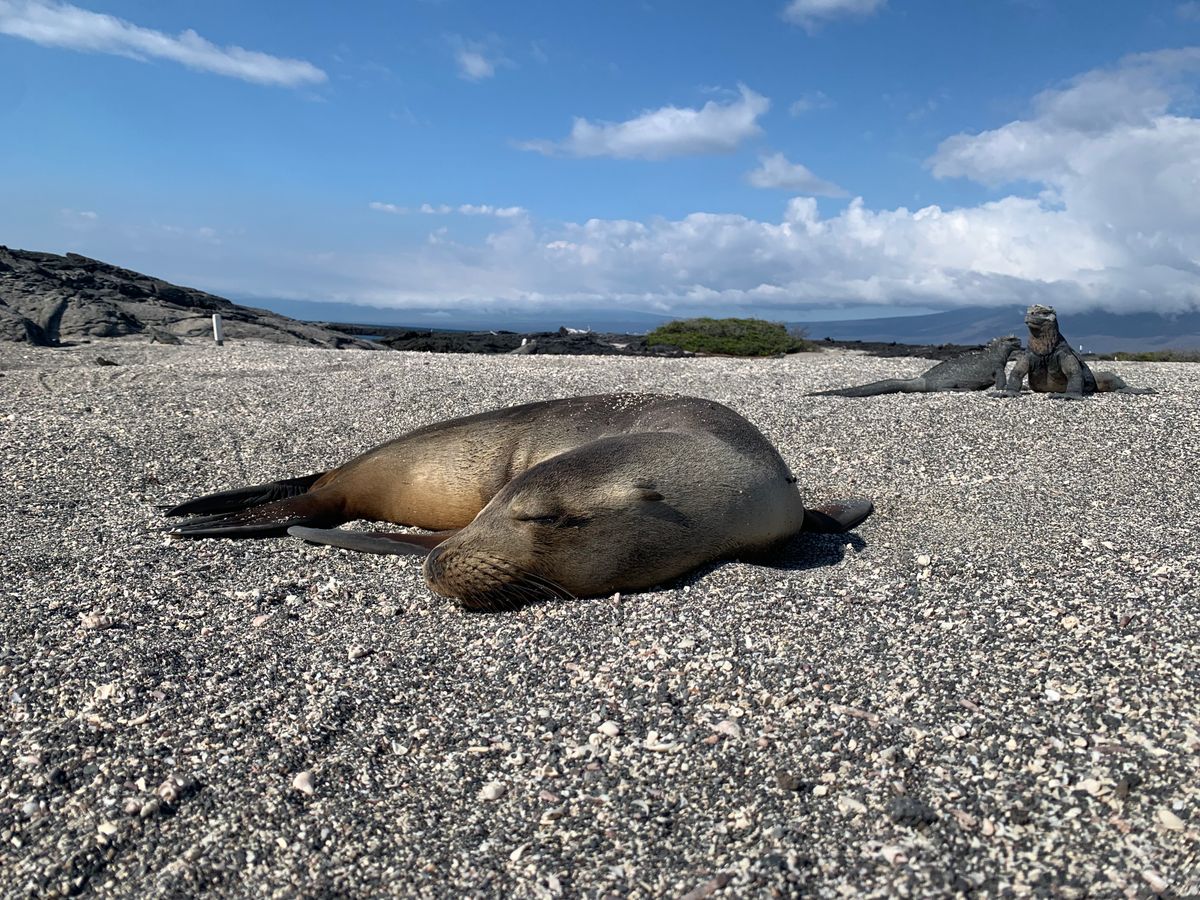
The Galápagos Islands lie in the Pacific Ocean, 928 km from mainland Ecuador. The national park counts 330 islands, islets and rocks. You can see giant tortoises, marine iguanas, blue-footed boobies, sea lions and Galápagos penguins, and you can snorkel, dive and hike.
- Getting there: fly from mainland Ecuador to Baltra or San Cristóbal airport.
- Fees and permits: park rangers collect the national park entry fee at Baltra and San Cristóbal airports (Galápagos National Park: entry fee). You also need a Transit Control Card (TCT), which you can pre-register online (Galápagos Government Council: TCT pre-registration). Check the current fees before you go.
- Best time: the islands work all year. Roughly December to May is warmer with calmer seas. June to November is cooler and often misty.
2. Easter Island (Rapa Nui), Chile
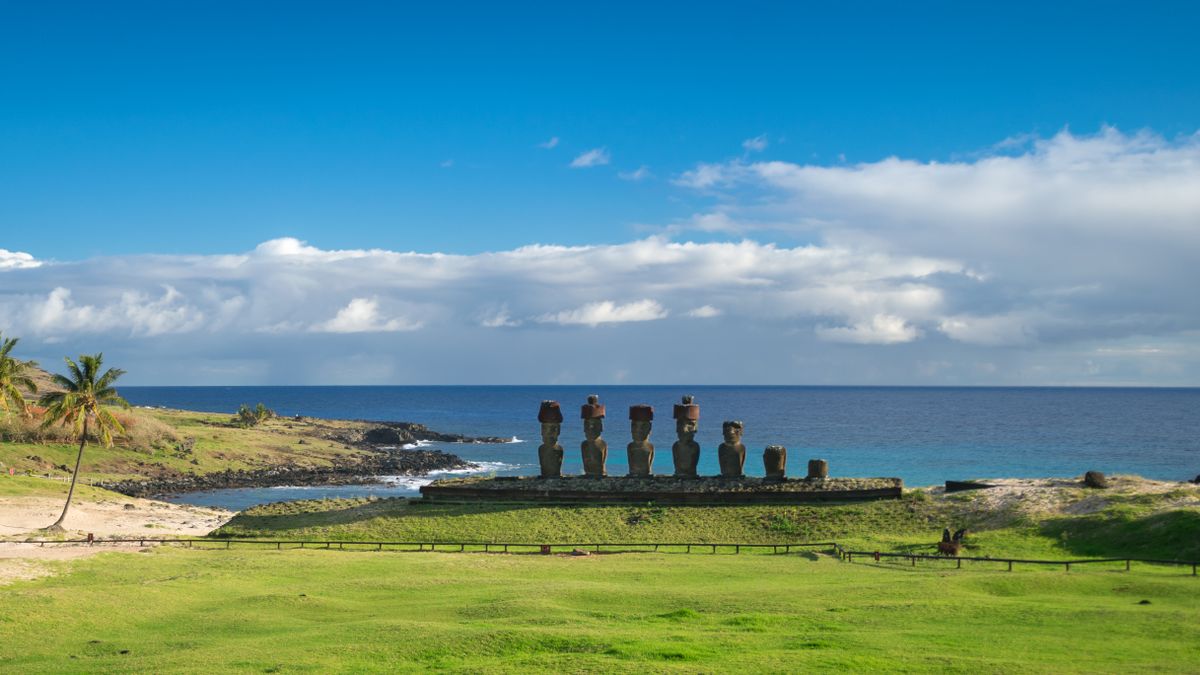
Easter Island, or Rapa Nui, is a remote Chilean island in the Pacific, famous for its moai statues. Rapa Nui National Park is a UNESCO World Heritage site. Highlights include Rano Raraku, the quarry where the moai were carved, the row of moai at Ahu Tongariki and the views from Terevaka, the island's highest point.
- Getting there: the only flights leave from Santiago. The flight takes about 5 hours 30 minutes.
- Fees and permits: fill in the Single Entry Form (FUI) within 48 hours before your flight. You need a return ticket for a stay of no more than 30 days and a booking at accommodation registered with SERNATUR (Chile Travel: entry requirements). To enter Rapa Nui National Park, you must buy a park ticket and go with an accredited guide (Rapa Nui National Park).
- Best time: it's warm all year. January to March is drier, and it's when the Tapati festival takes place (Chile Travel: Rapa Nui).
3. Isla de Coche, Venezuela
Isla de Coche is a small island next to Isla Margarita, off the coast of Venezuela. It's known for white sand beaches and steady wind, which makes it a spot for kitesurfing and windsurfing. You usually get there by boat from Margarita.
- Check travel advice first: the UK Foreign Office (FCDO) advises against all but essential travel to most of Venezuela, and against all travel to some areas (GOV.UK: Venezuela travel advice). Check your own government's advice and your travel insurance before you book.
4. Aruba (Kingdom of the Netherlands)
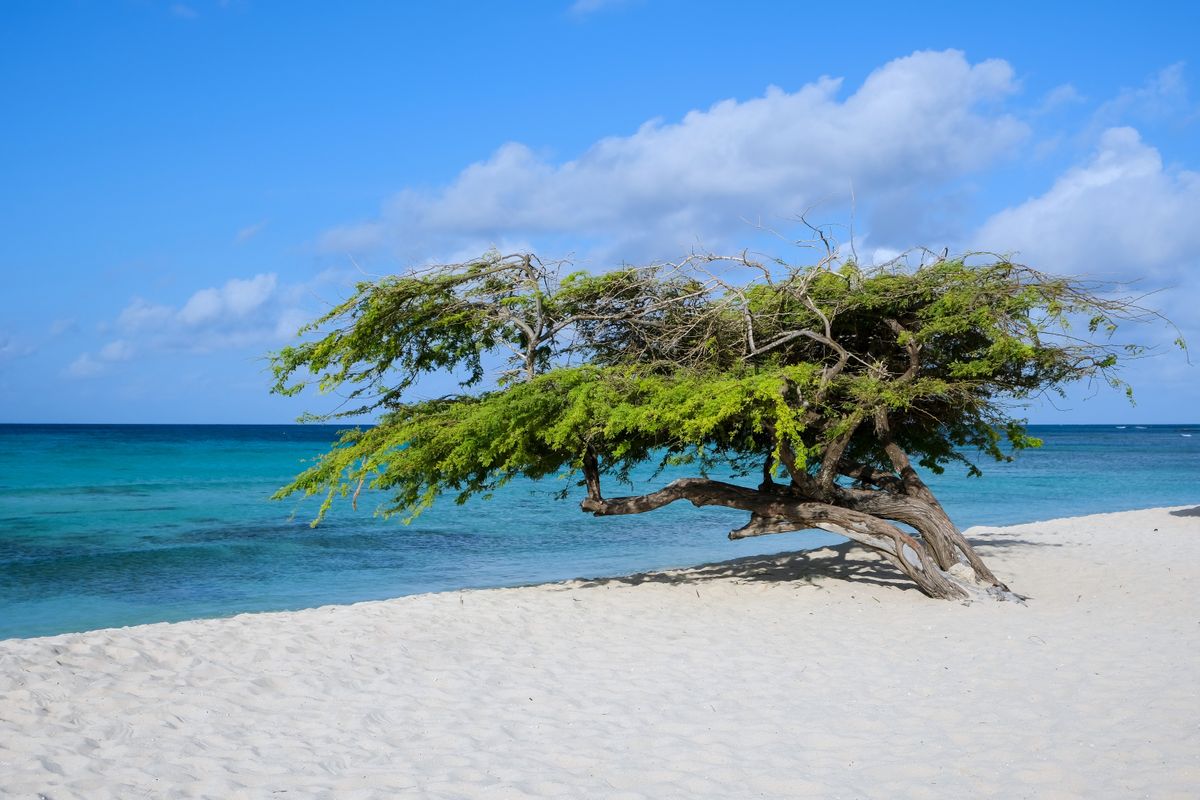
Aruba is a small island in the southern Caribbean, about 15 miles (24 km) north of Venezuela and outside the hurricane belt (Aruba.com: our island). It's a country within the Kingdom of the Netherlands. Come for Eagle Beach and Palm Beach, snorkelling, and Arikok National Park, which covers nearly 20% of the island and has caves and old Indigenous rock drawings (Aruba.com: Arikok National Park). The park charges a small entrance fee.
- Fees and permits: before you fly, complete Aruba's online ED card. Visitors arriving by air pay a Sustainability Fee through the ED card system (Aruba.com: Sustainability Fee). Check the current fee before you go.
5. Rosario Islands, Colombia
The Rosario Islands are a group of small islands off Cartagena, Colombia. They're part of the Corales del Rosario and San Bernardo National Natural Park, which protects its coral reefs. Most visitors come on a day trip by boat from Cartagena to swim, snorkel and dive.
- Fees and permits: the national park charges an entry fee. Check the current fee with Colombia's national parks (Parques Nacionales Naturales de Colombia).
6. Isla Barú, Colombia
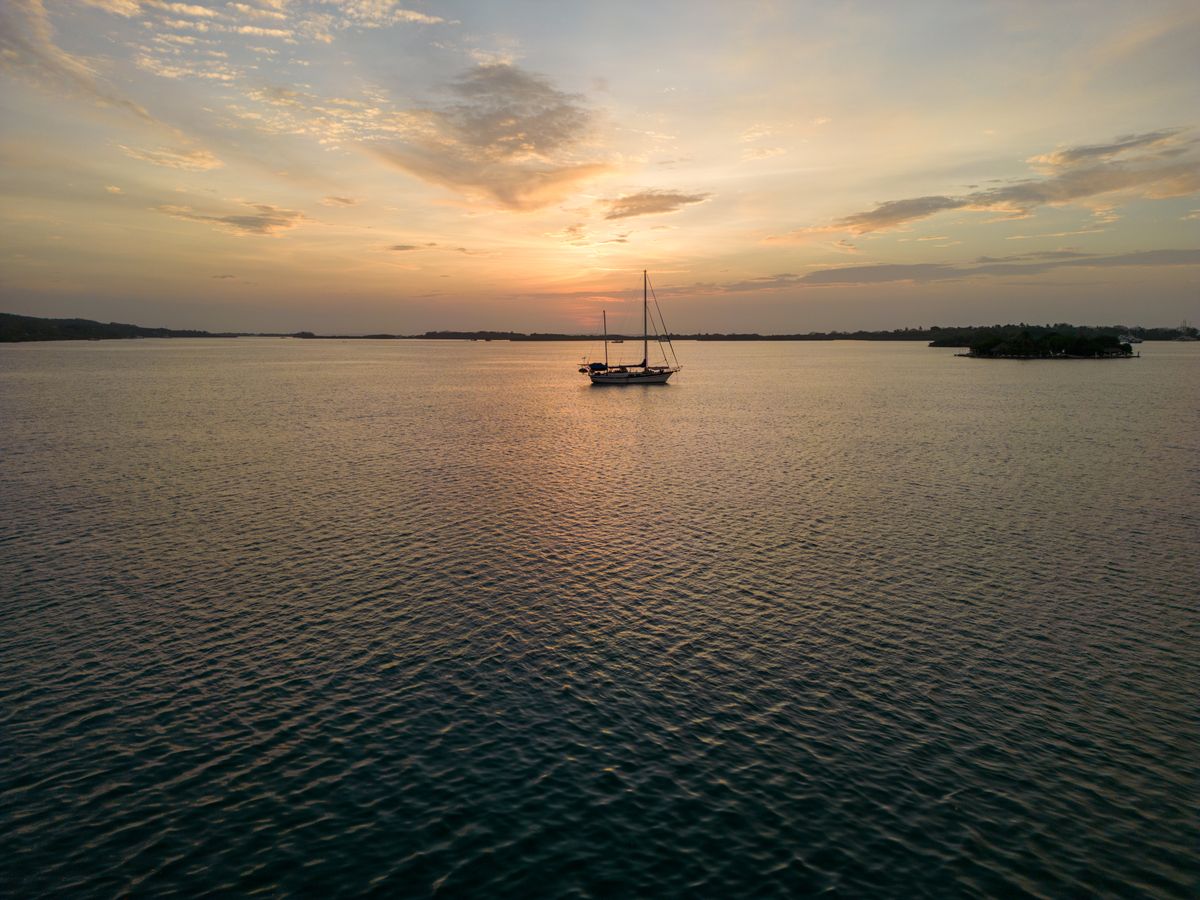
Isla Barú lies just south of Cartagena and is the closest beach escape from the city. A bridge links it to the mainland, so you can get there by road as well as by boat. Its best-known beach is Playa Blanca, and it's a good base for day trips to the Rosario Islands.
7. Chiloé Island, Chile
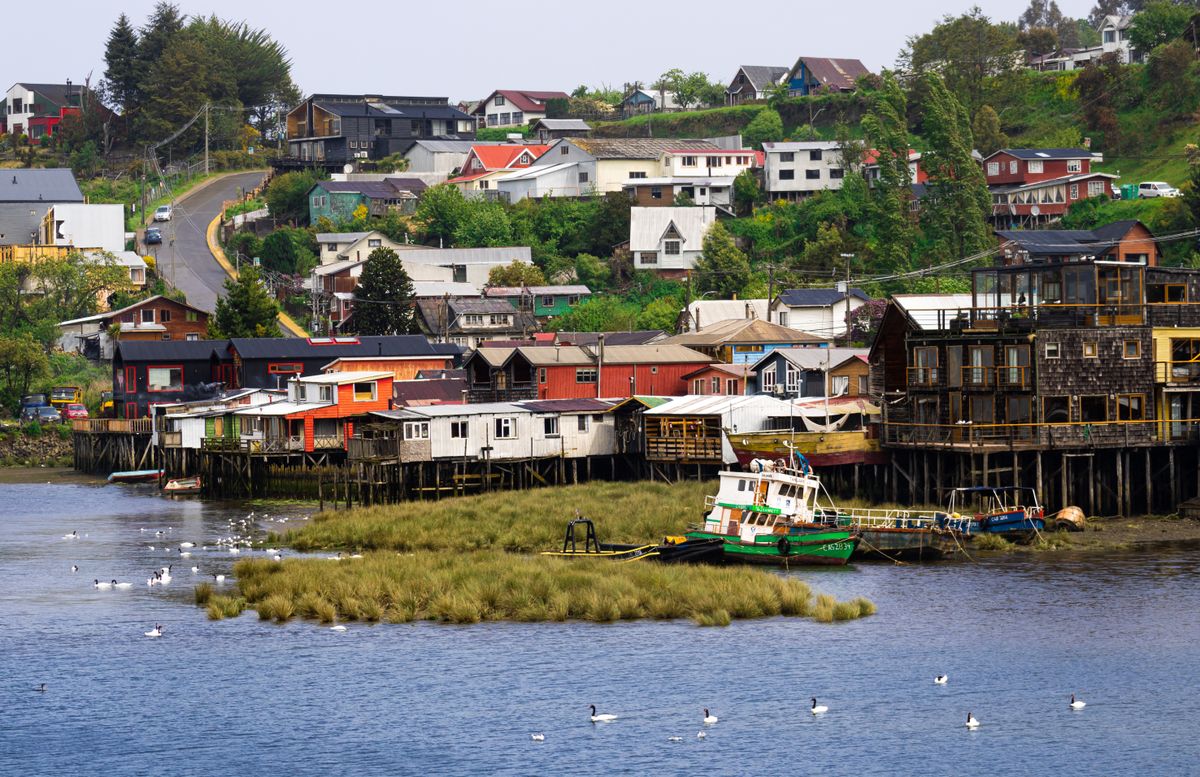
Chiloé is a large island in southern Chile, known for its own culture and folklore, its stilt houses and its wooden churches. Sixteen of these churches are UNESCO World Heritage sites. Try curanto and milcao, two local dishes, and hike in Chiloé National Park.
- Getting there: fly from Santiago to Mocopulli airport in Castro, about 2 hours. Or fly to Puerto Montt, travel about 100 km to Pargua and take the ferry across the Chacao Channel (Chile Travel: Chiloé).
- Good to know: the weather changes fast. Bring waterproof clothes and a warm layer, whatever the season.
8. Fernando de Noronha, Brazil
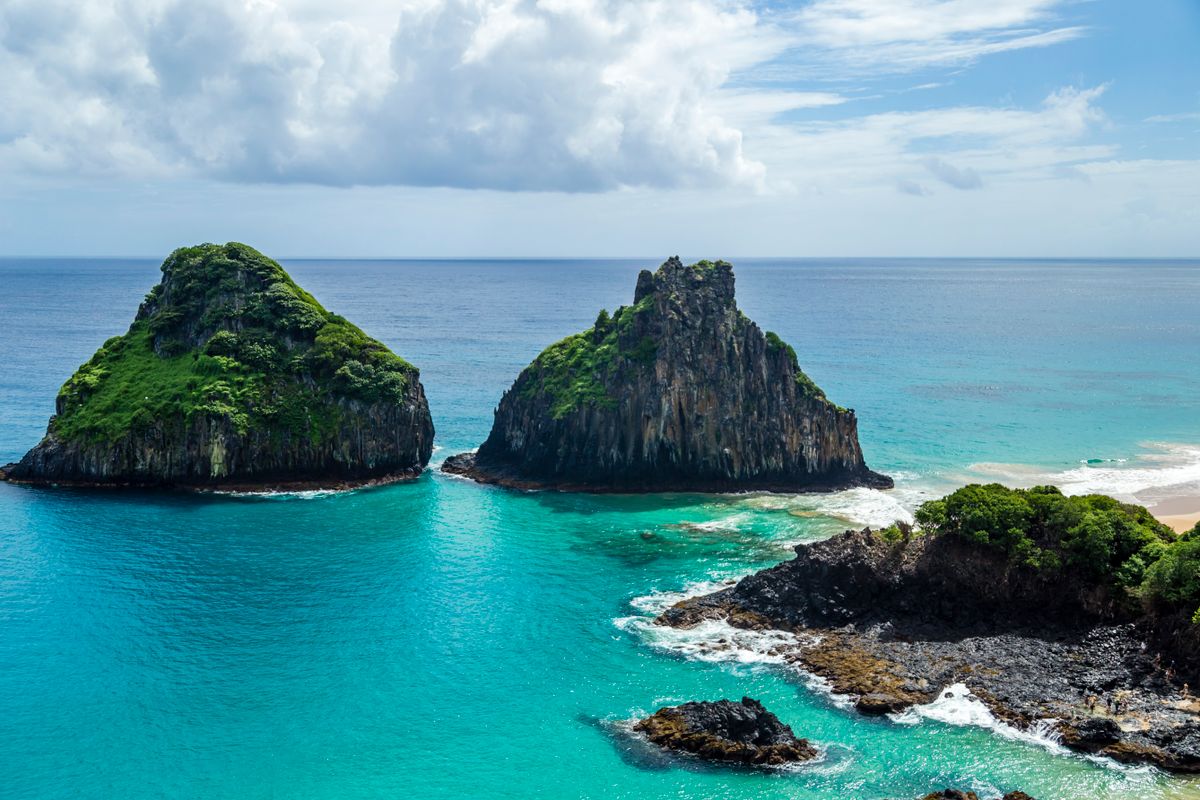
Fernando de Noronha is an archipelago of 21 islands in the Atlantic, 545 km from Recife, Brazil. It's a UNESCO World Heritage site, and much of it is protected as a marine national park. Expect clear water, sea turtles, dolphins, diving and coastal trails.
- Getting there: there are daily flights of about one hour from Recife (Fernando de Noronha: tourism).
- Fees and permits: you pay an environmental preservation fee (TPA) for each day you stay, and it gets more expensive the longer you stay. If your credit card was issued outside Brazil, you can only pay it at the airport counter on the island (Fernando de Noronha: TPA). The marine national park has its own entry ticket (ICMBio: Parnamar Fernando de Noronha). Check the current fees before you go.
9. Ilhabela, Brazil
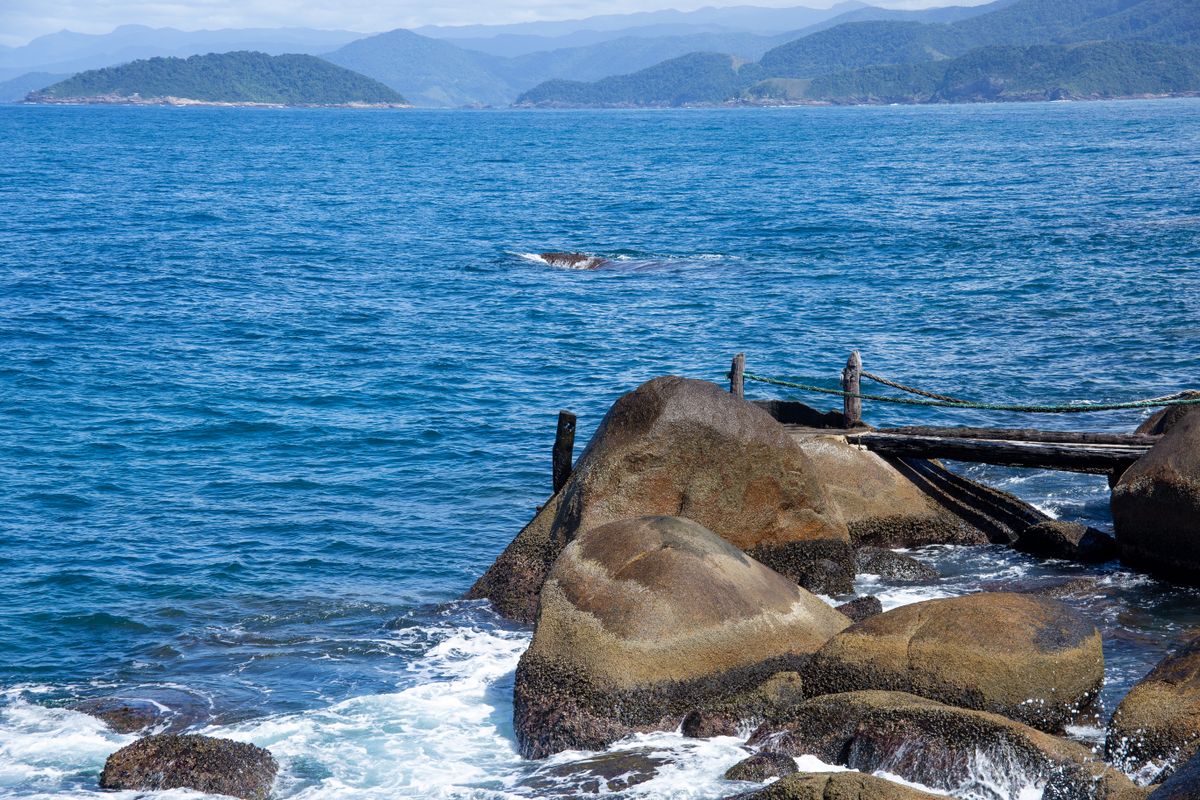
Ilhabela is an island off the coast of São Paulo state, covered in Atlantic rainforest. Hiking trails lead to waterfalls such as Cachoeira do Gato and Cachoeira da Toca, and beaches like Praia do Bonete and Praia da Feiticeira. It's also known for wreck diving and sailing.
- Getting there: take the car ferry from São Sebastião (São Paulo State: São Sebastião to Ilhabela ferry).
- Fees and permits: if you bring a vehicle, Ilhabela charges an environmental preservation fee (TPA). Check the current rules on the town's TPA site (Eco Ilhabela: TPA).
10. Isla Margarita, Venezuela
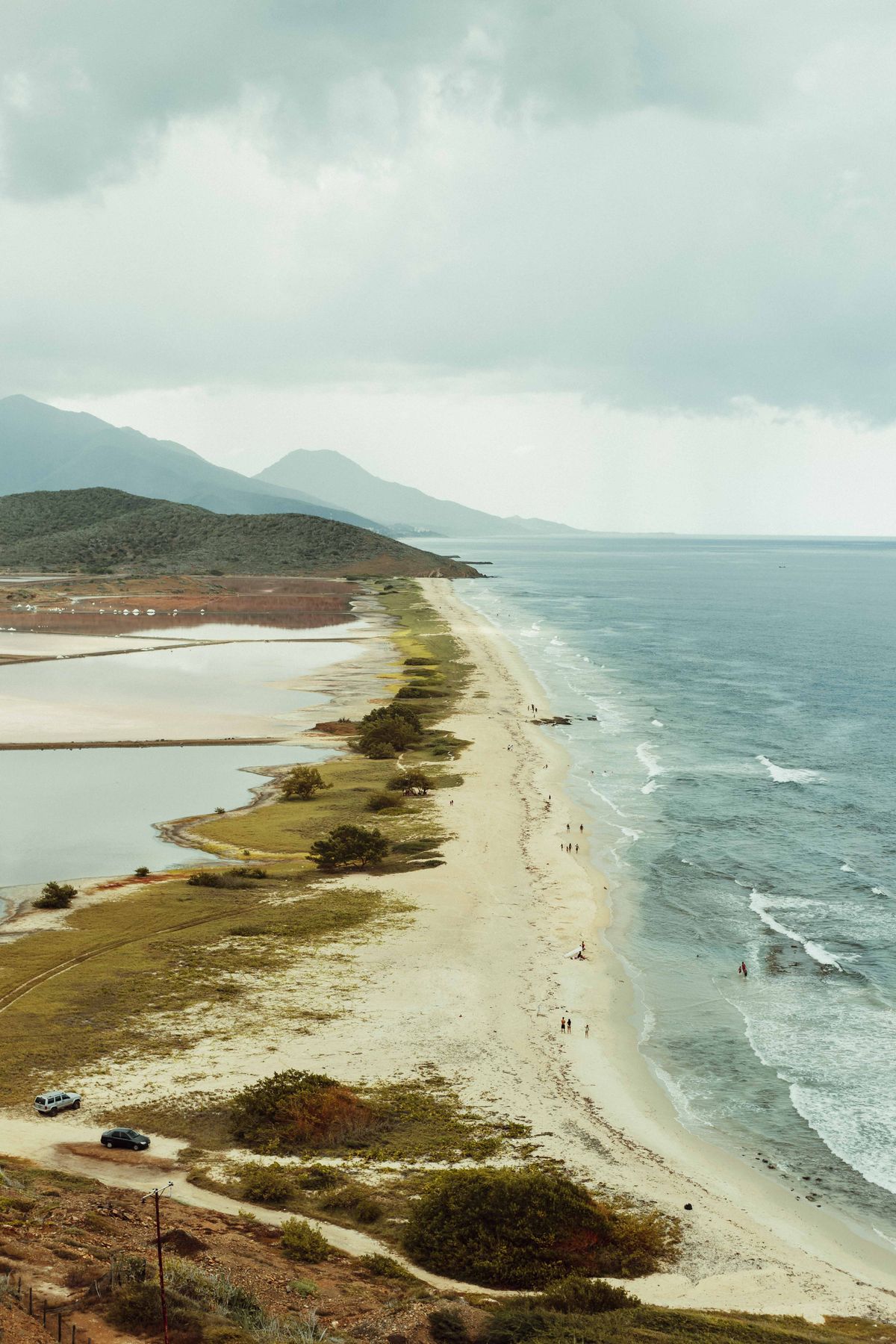
Isla Margarita lies off Venezuela's northeast coast. It's known for beaches like Playa El Agua and Playa Parguito, windsurfing and kitesurfing, and the towns of Porlamar and Pampatar. It's also the jumping-off point for Isla de Coche.
- Check travel advice first: as for Isla de Coche, the UK FCDO advises against all but essential travel to most of Venezuela. Check your government's latest advice before you book.
11. San Andrés, Colombia
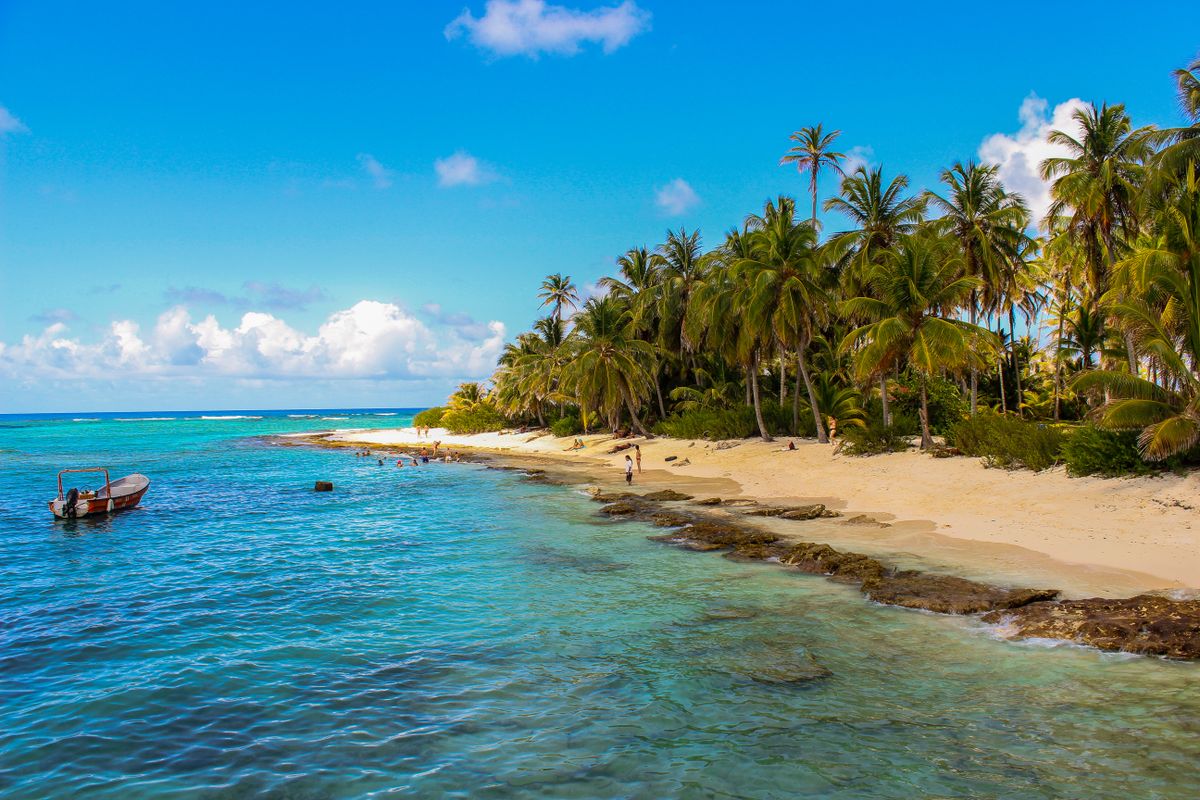
San Andrés is a Colombian island in the Caribbean, part of the San Andrés, Providencia and Santa Catalina archipelago. It has turquoise water, coral reefs for snorkelling and diving, and a lively main town. Many visitors rent a golf cart to drive around the island.
- Getting there: fly from mainland Colombia.
- Fees and permits: visitors need the islands' tourist card, bought before you travel. The San Andrés government site links to where you buy it (Gobernación de San Andrés). Check the current fee before you go.
12. Ilha Grande, Brazil
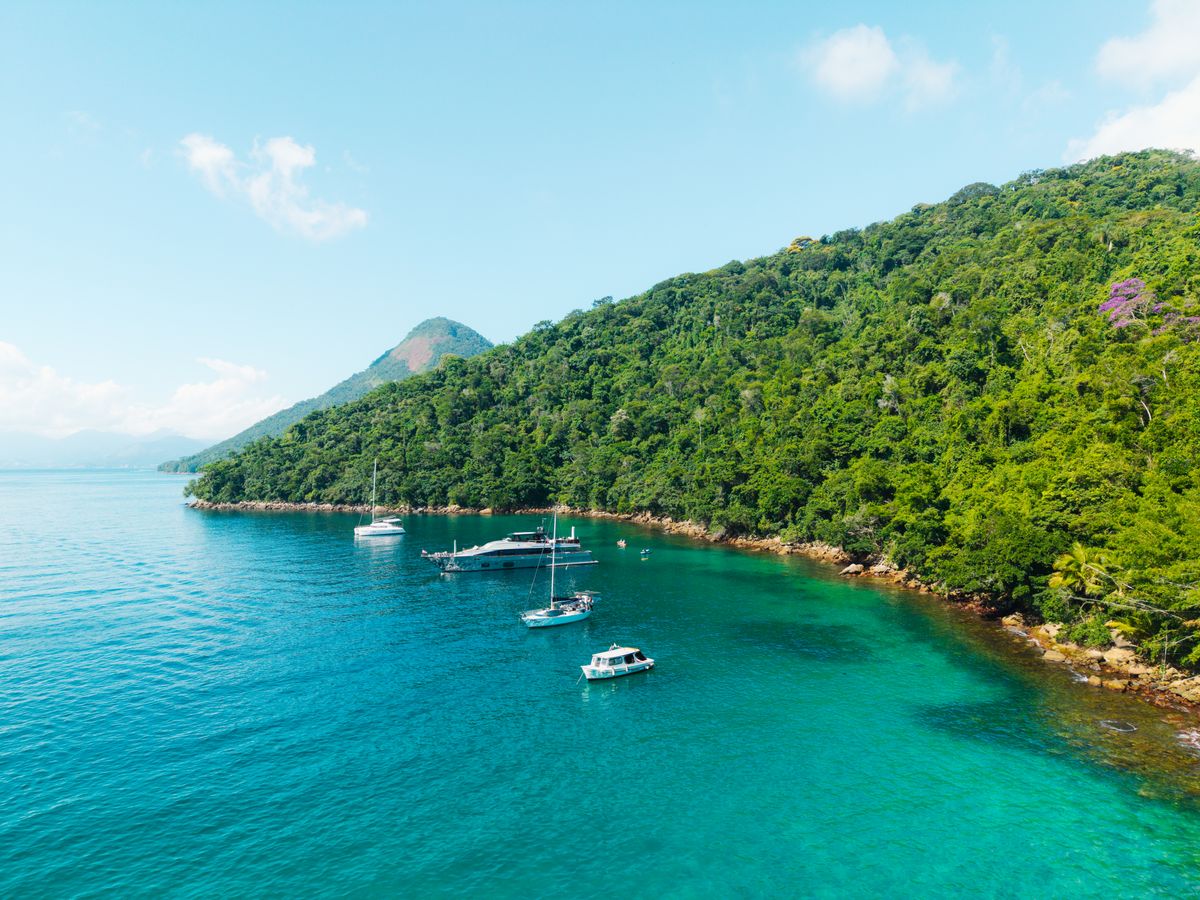
Ilha Grande (sometimes written Isla Grande) is a large island off the coast of Rio de Janeiro state. There are no cars on the island, so you walk forest trails to beaches such as Lopes Mendes, or take a boat. It's a good place for hiking, snorkelling and diving.
- Getting there: take a ferry or a fast boat from Angra dos Reis, Mangaratiba or Conceição de Jacareí. Most boats arrive at Vila do Abraão.
Staying connected on the islands
Be ready for patchy signal. Mobile coverage is usually best in the main towns. On boat trips, hiking trails, small islands and remote beaches, it can be weak or missing. A few tips:
- Download offline maps before you leave Wi-Fi (Google Maps: download areas offline).
- Save your tickets, permits and bookings on your phone, so you can show them without signal.
- Keep your home line for calls and texts and use a travel eSIM for data.
Before you fly: install your eSIM on Wi-Fi
- Check your phone. It must support eSIM and be unlocked. Dial *#06#: if you see an EID, your phone supports eSIM. More ways to check eSIM compatibility.
- Install the eSIM at home on Wi-Fi. On iPhone, go to Settings > Cellular > Add eSIM and scan the QR code. On Android, look under Settings > Connections > SIM manager (Samsung) or Settings > Network & internet > SIMs (Pixel). Step by step: how to activate an eSIM.
When you land: switch on the right settings
- Turn on the travel eSIM line and choose it for mobile data. On iPhone, go to Settings > Cellular > Cellular Data.
- Turn on Data Roaming for the travel eSIM. Keep it off on your home line if you want to avoid roaming charges from your home carrier (Apple: Use eSIM while traveling). More on data roaming.
Depending on your region, your iPhone may say Mobile Service instead of Cellular. The steps are the same.
Hopping between the Galápagos, Easter Island, Chiloé, Brazil's islands and Colombia's coast? The SimOptions South America eSIM covers Argentina, Bolivia, Brazil, Chile, Colombia, Ecuador, French Guiana, Paraguay, Peru and Uruguay on one plan. Only visiting Brazil? A Brazil plan does the job. All of these are data-only, and they activate when you arrive in a covered country.
South America and Brazil plans shown · data-only eSIMs, no phone number · Venezuela and Aruba aren't in the South America plan: see the Venezuela eSIM and the Caribbean eSIM · Find the eSIM for your destination
FAQs
What is the biggest island in South America?
Isla Grande de Tierra del Fuego, at the southern tip of the continent, is the biggest island in South America. It covers about 48,000 km² and is shared by Chile and Argentina.
Are the ABC islands part of South America?
Aruba, Bonaire and Curaçao sit on the South American continental shelf, just off Venezuela's coast. But they are part of the Kingdom of the Netherlands and are usually counted as Caribbean islands, not as part of South America.
Is Aruba in South America?
Geographically, Aruba is very close to South America, about 15 miles north of Venezuela. Politically, it's a country within the Kingdom of the Netherlands, and it's usually grouped with the Caribbean.
Are the Caribbean islands part of South America?
Most Caribbean islands are counted as part of North America. Some islands off the north coast, such as Isla Margarita (Venezuela) and the Rosario Islands (Colombia), belong to South American countries.
Are there island countries in South America?
No. All 12 independent countries in South America are on the mainland. Trinidad and Tobago is an island country just off Venezuela's coast, but it's usually counted as part of the Caribbean.
Do I need a permit to visit the Galápagos or Easter Island?
For the Galápagos, you pay the national park entry fee on arrival and need a Transit Control Card. For Easter Island, you fill in the Single Entry Form (FUI) before your flight, and you need a park ticket and an accredited guide to visit Rapa Nui National Park.
Does a South America eSIM work on the islands?
The SimOptions South America plan covers Brazil, Chile, Colombia and Ecuador, the countries of most islands in this guide. On remote islands and at sea, signal depends on the local networks there and can be weak, so download offline maps before you go. Venezuela and Aruba aren't covered by the South America plan.
Should I install my travel eSIM before I fly?
Yes. Install it at home on Wi-Fi. When you land, choose it for mobile data and turn on Data Roaming for that line.