

The best cities to visit in Europe for sightseeing, in our pick, are Paris, Rome, London, Barcelona, Madrid, Amsterdam, Prague, Vienna, Budapest, Lisbon, Porto, Copenhagen, Venice, Athens and Kraków. Each one packs world-famous sights into streets you can explore on foot or by public transport. Below you get a short reason to go, the best time to visit and one practical tip for each city. Then a quick guide to which city suits you, a few escapes beyond the cities, and how to stay online while you hop between countries.
Best cities to visit in Europe: the list at a glance
- Paris, France: art, food and icons like the Eiffel Tower.
- Rome, Italy: ancient history on almost every corner.
- London, United Kingdom: royal sights and free national museums.
- Barcelona, Spain: Gaudí's buildings plus a city beach.
- Madrid, Spain: great art museums and lively evenings.
- Amsterdam, Netherlands: canals, bikes and world-class museums.
- Prague, Czech Republic: a medieval old town and a castle above the river.
- Vienna, Austria: palaces, music and coffee houses.
- Budapest, Hungary: thermal baths and the Danube.
- Lisbon, Portugal: hills, trams and viewpoints.
- Porto, Portugal: a riverside old town and port wine cellars.
- Copenhagen, Denmark: harbour life, design and cycling.
- Venice, Italy: a city built on canals.
- Athens, Greece: the Acropolis and a gateway to the islands.
- Kraków, Poland: a historic old town and moving history.
15 best cities to visit in Europe for sightseeing
Most of these cities are busiest in July and August. If you can, go in spring or autumn: the weather is usually milder and the queues shorter. Where a city has a special season, you'll find it below. Timing a trip around a sporting event? See the world's 20 greatest sporting events for your bucket list.
1. Paris, France
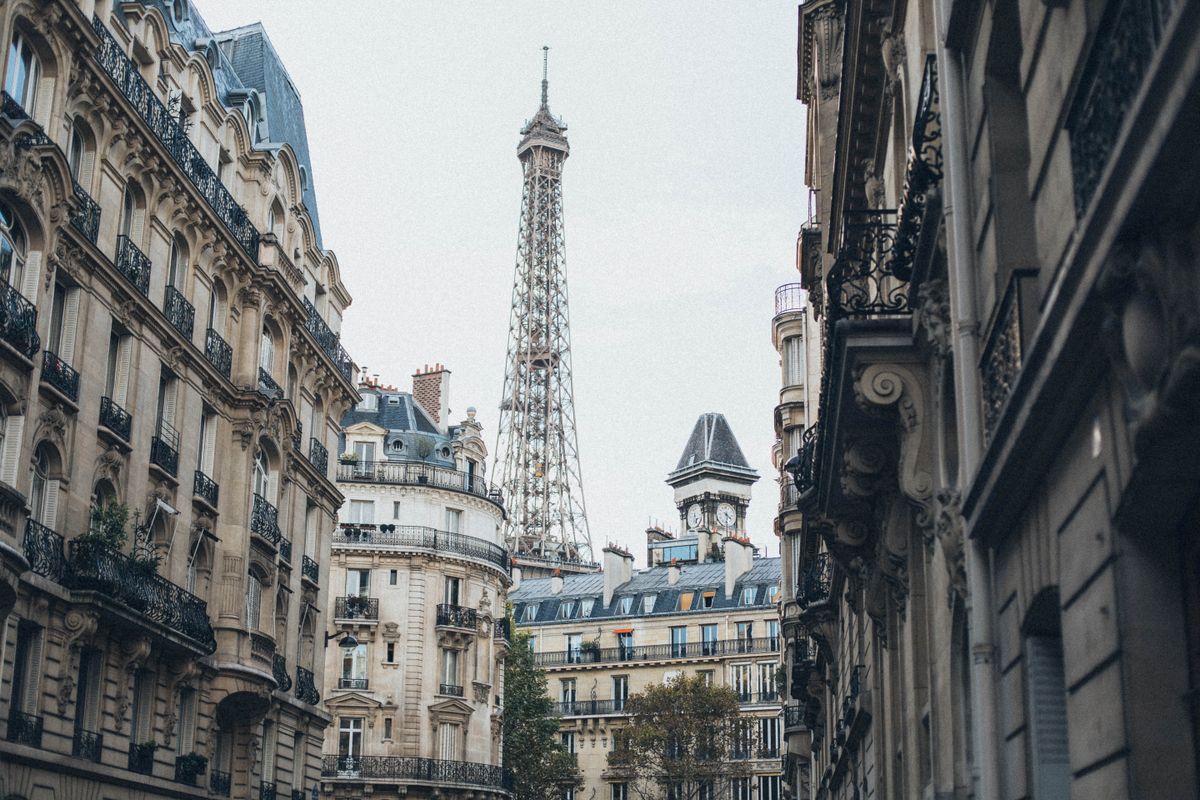
Paris is the city of the Eiffel Tower, the Louvre, the Arc de Triomphe and long café lunches. Away from the big sights, the neighbourhoods along the Seine are made for walking.
- Best time: April to June and September to October.
- Tip: book a time slot for the Louvre online. The museum recommends it for all visitors and is closed on Tuesdays (Louvre opening hours).
2. Rome, Italy

Rome puts 2,000 years of history in one city: the Colosseum, the Roman Forum, the Pantheon, St. Peter's Basilica and the Vatican Museums. Add trattorias and walks through Trastevere in the evening.
- Best time: April to June and September to October.
- Tip: buy Colosseum tickets on the official Colosseum site. At the Trevi Fountain, getting close to the basin now needs a ticket, while the view from the square stays free (Turismo Roma).
3. London, United Kingdom
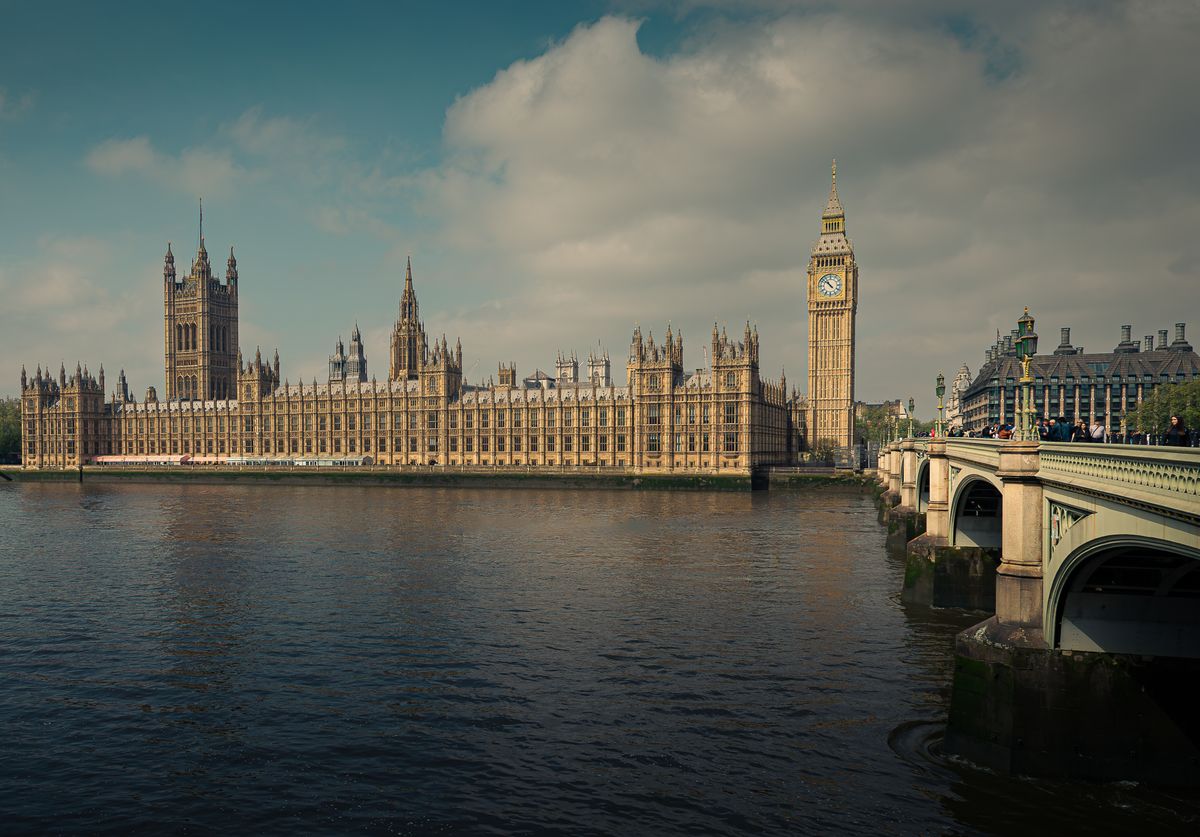
London mixes royal sights like Buckingham Palace and the Tower of London with markets, parks and theatre. Many big museums, like the British Museum and the National Gallery, are free to visit.
- Best time: May to September for longer days, December for Christmas lights.
- Tip: you can tap in and out on the Tube and buses with a contactless card or your phone, so you don't need to buy paper tickets.
4. Barcelona, Spain
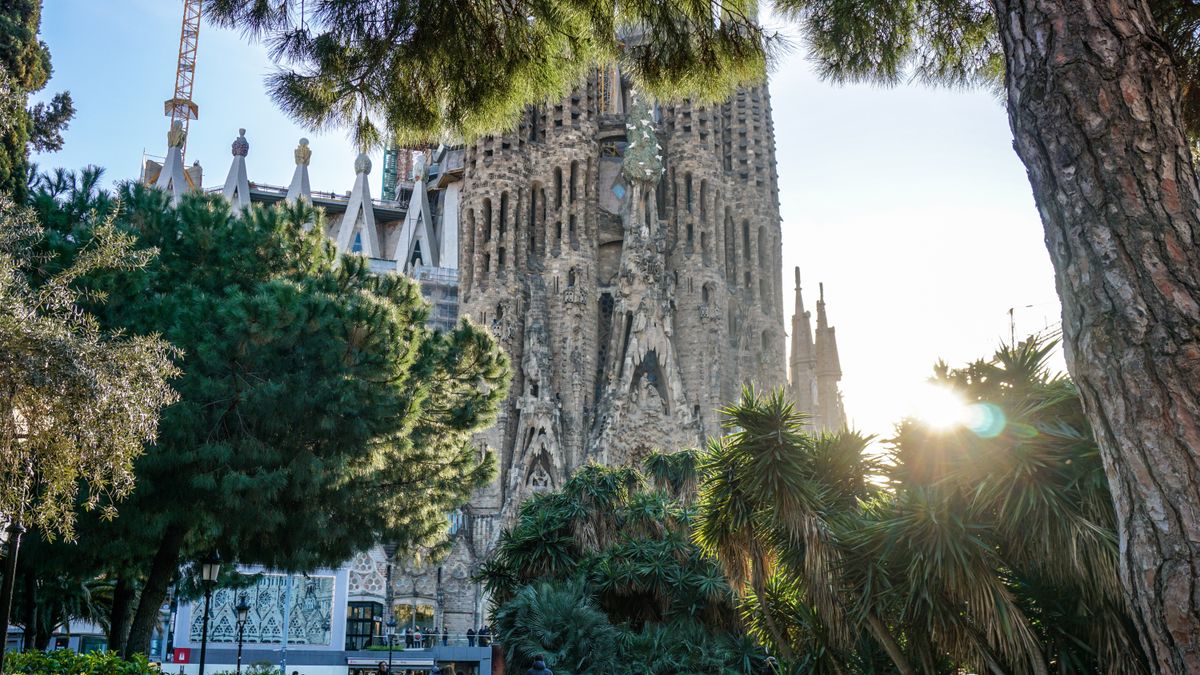
Barcelona has Gaudí's Sagrada Família, Park Güell and Casa Batlló, the Gothic Quarter and a city beach. It works for culture and for a few lazy days by the sea.
- Best time: May to June and September to October.
- Tip: book the Sagrada Família on its official ticket page and check the opening hours before you go, as the basilica sometimes closes for religious events.
5. Madrid, Spain
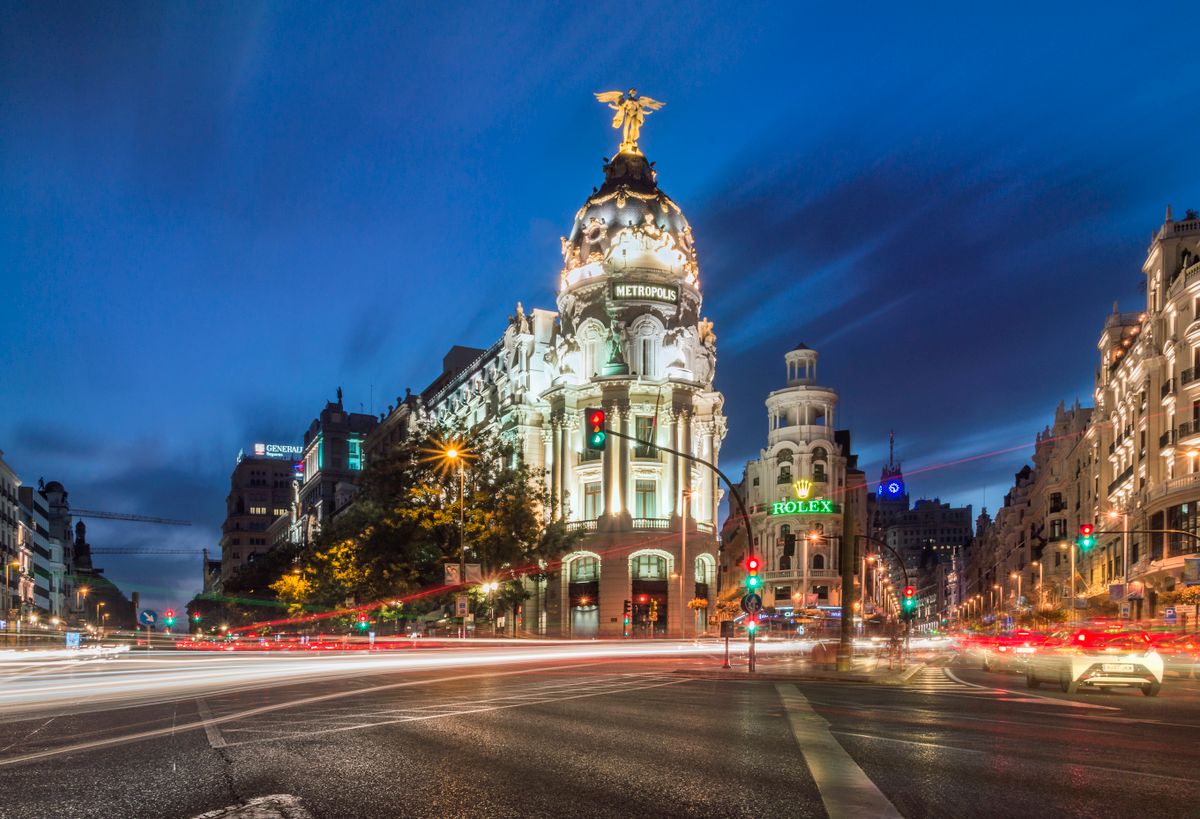
Madrid is an art city: the Prado, the Reina Sofía and the Thyssen-Bornemisza museums sit close together. Then there's the Retiro park, the Royal Palace and dinners that start late.
- Best time: April to June and September to October. July and August are hot.
- Tip: the Prado's permanent collection is free from 6pm to 8pm Monday to Saturday and from 5pm to 7pm on Sundays and holidays (esMadrid). Expect a queue.
6. Amsterdam, Netherlands
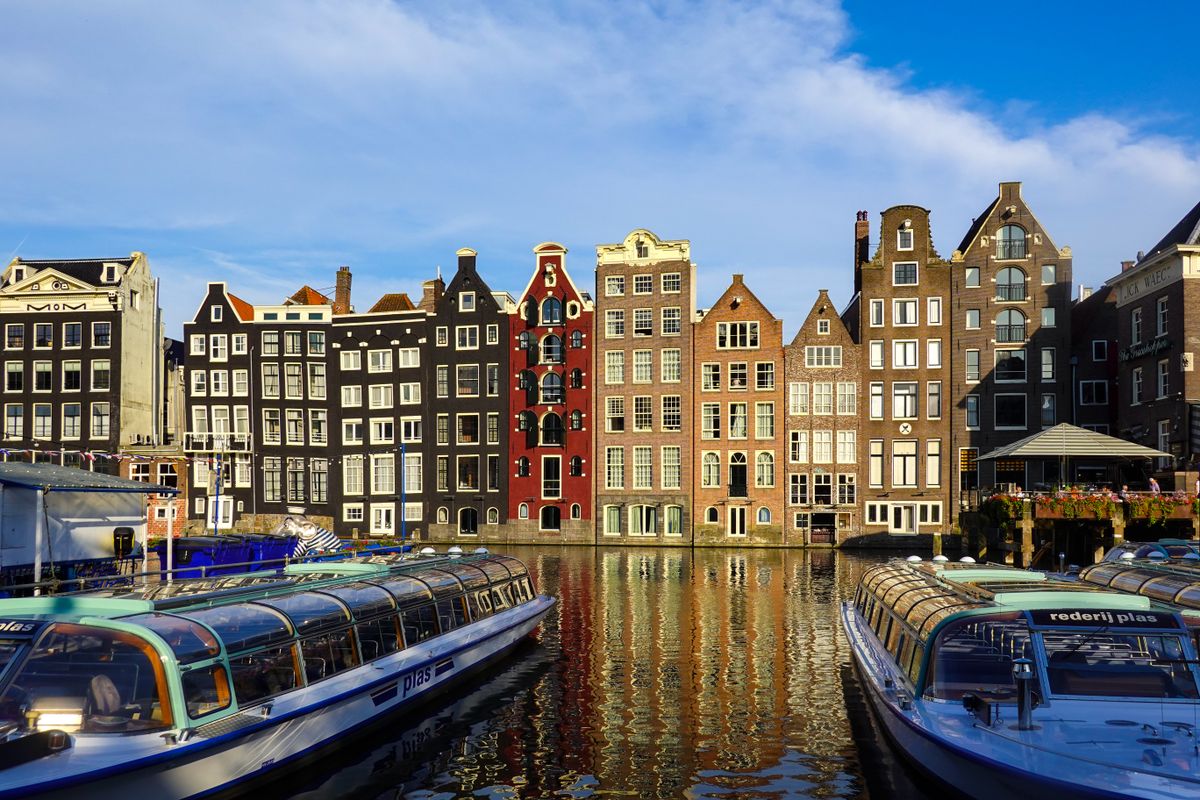
Amsterdam is a city of canals, narrow gabled houses and bikes. The Rijksmuseum, the Van Gogh Museum and the Anne Frank House are the big three for sightseeing.
- Best time: April and May, when the tulips bloom at Keukenhof (open in spring only), or September.
- Tip: Anne Frank House tickets are sold only online, not at the door, so book ahead (Anne Frank House).
7. Prague, Czech Republic
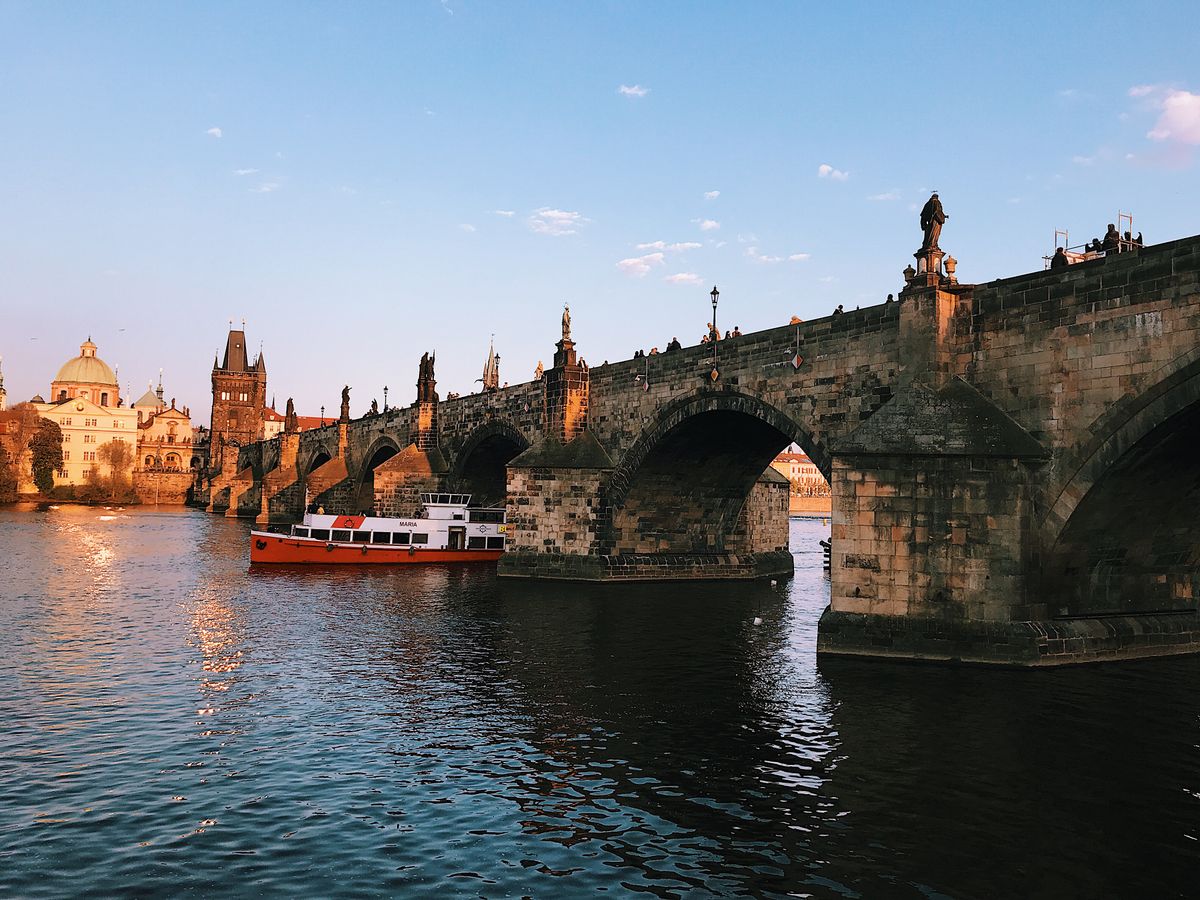
Prague's old town, the Astronomical Clock, Charles Bridge and Prague Castle sit in a beautifully preserved historic centre. It's compact, so you see a lot in two or three days.
- Best time: May to June and September, or December for the Christmas markets.
- Tip: walk across Charles Bridge early in the morning, before the crowds arrive.
8. Vienna, Austria
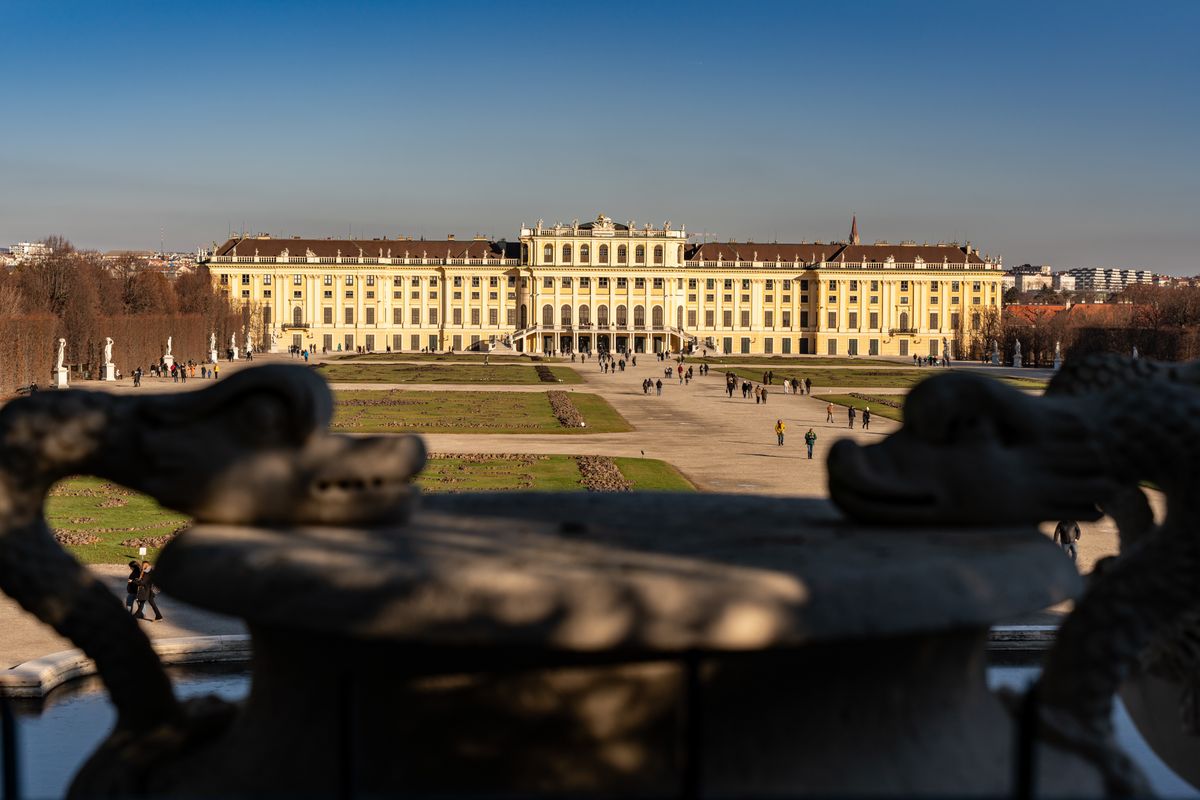
Vienna has imperial palaces like Schönbrunn and the Hofburg, concerts and opera, and a long coffee house tradition. It's easy to get around by tram and metro.
- Best time: May to September, or from mid-November to Christmas for the markets. January and February are ball season.
- Tip: take a slow break in a traditional coffee house. Ordering a coffee and staying a while is part of the experience.
9. Budapest, Hungary
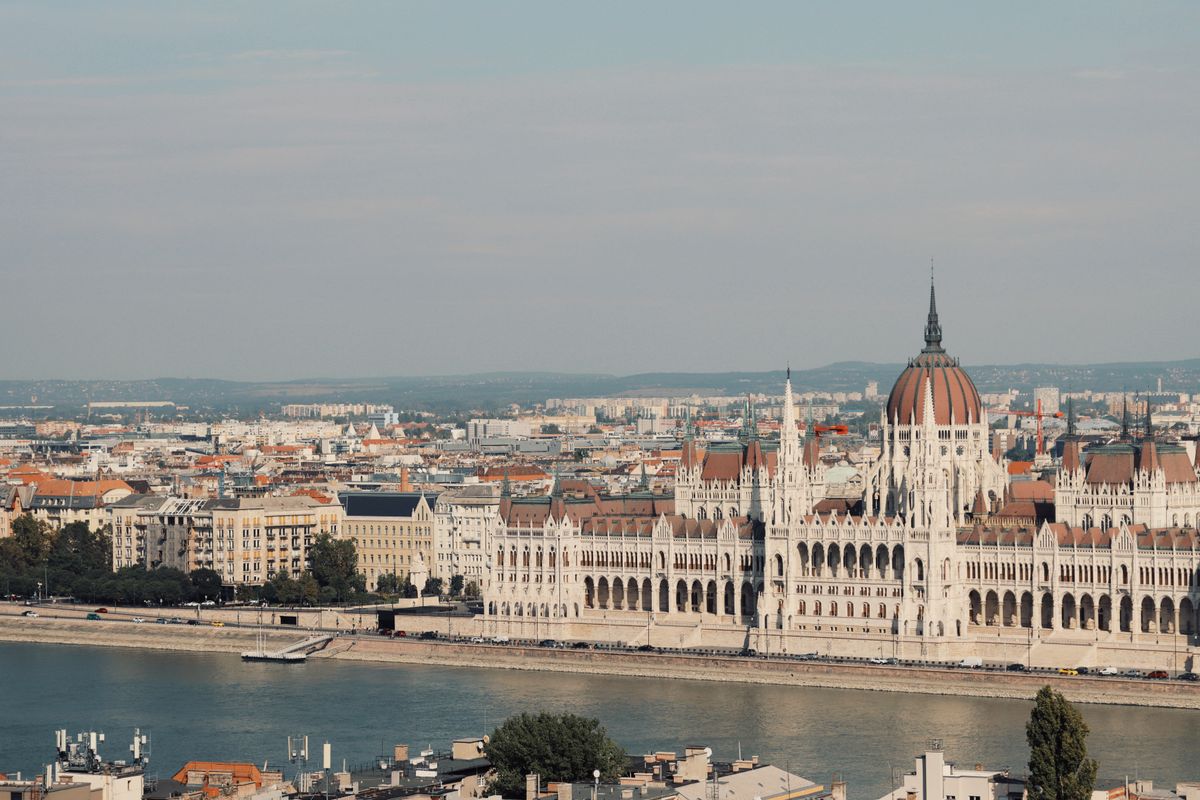
Budapest is famous for its thermal baths, like Széchenyi and Gellért. Add the Parliament on the Danube, Buda Castle, the ruin bars and the Christmas markets in winter.
- Best time: all year. Spring and autumn for walking, winter for steaming outdoor pools.
- Tip: pack a swimsuit and flip-flops for the baths. Check opening hours and tickets on the Budapest Spas website.
10. Lisbon, Portugal
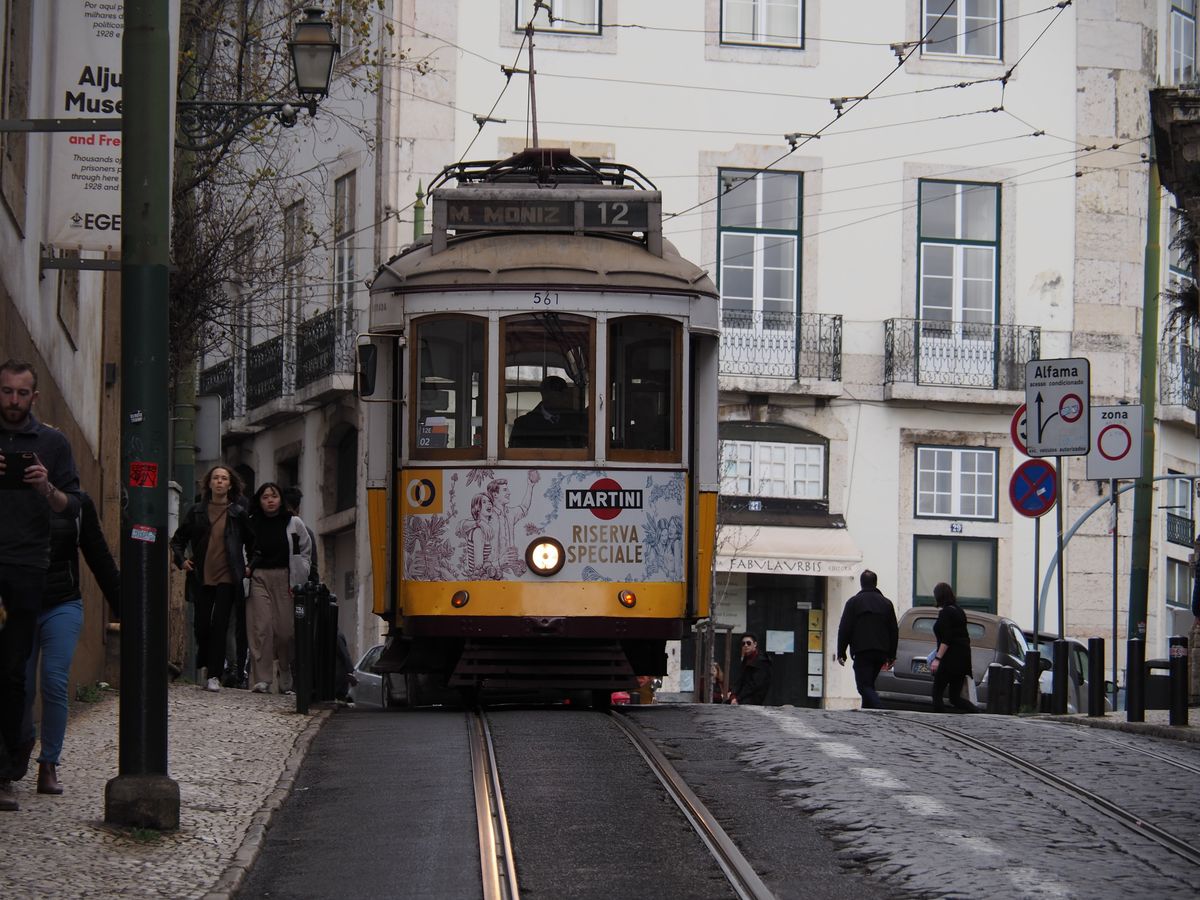
Lisbon is built on hills, with viewpoints, old yellow trams and the Alfama's narrow streets. In Belém you'll find the Jerónimos Monastery and the Belém Tower, plus the famous custard tarts.
- Best time: March to June and September to October. Winters are mild compared with central Europe.
- Tip: tram 28 gets packed. Ride it early in the morning or explore the Alfama on foot.
11. Porto, Portugal
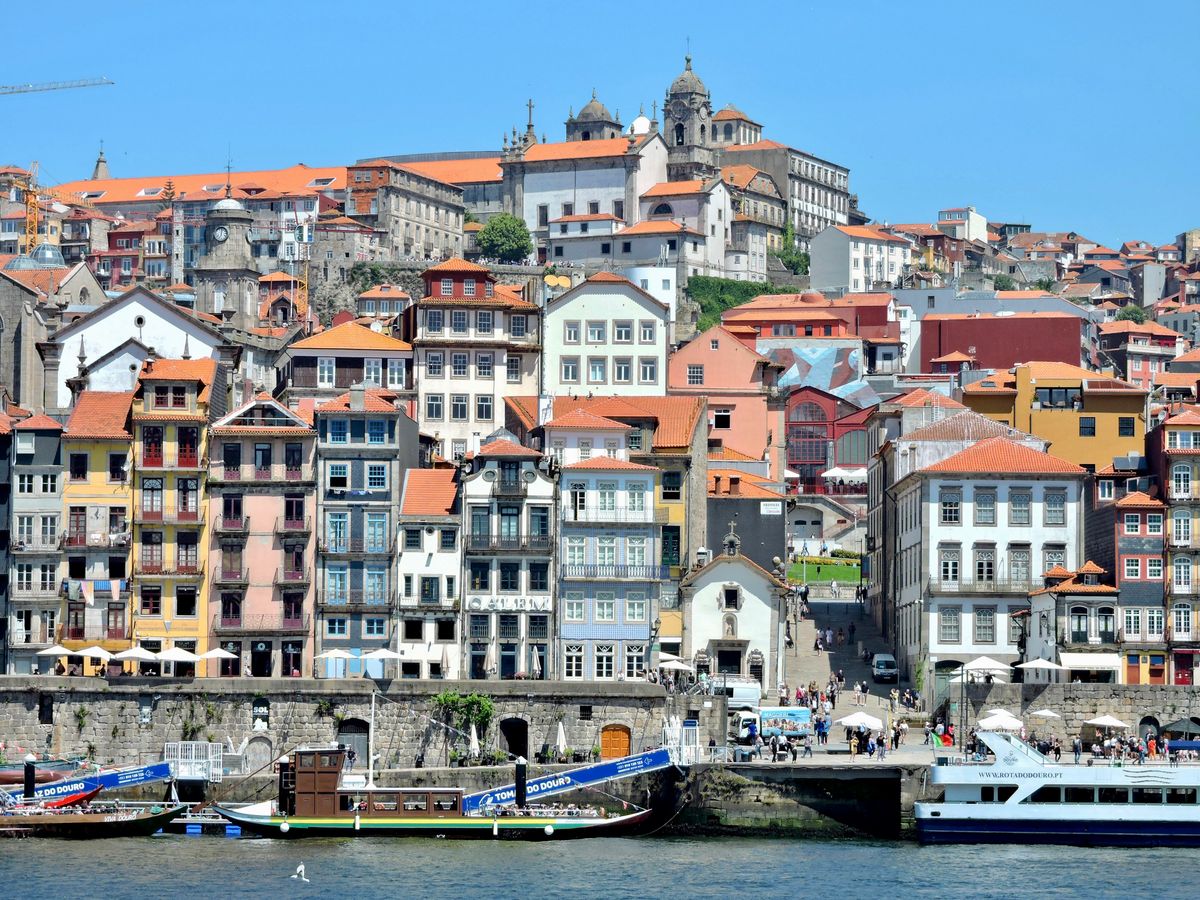
Porto is Portugal's second city. Its colourful Ribeira riverfront, tiled churches and port wine cellars across the river in Vila Nova de Gaia make it an easy city to love. It's also a base for trips to the Douro Valley.
- Best time: April to September.
- Tip: walk across the upper deck of the Luís I Bridge for one of the best views of the old town.
12. Copenhagen, Denmark
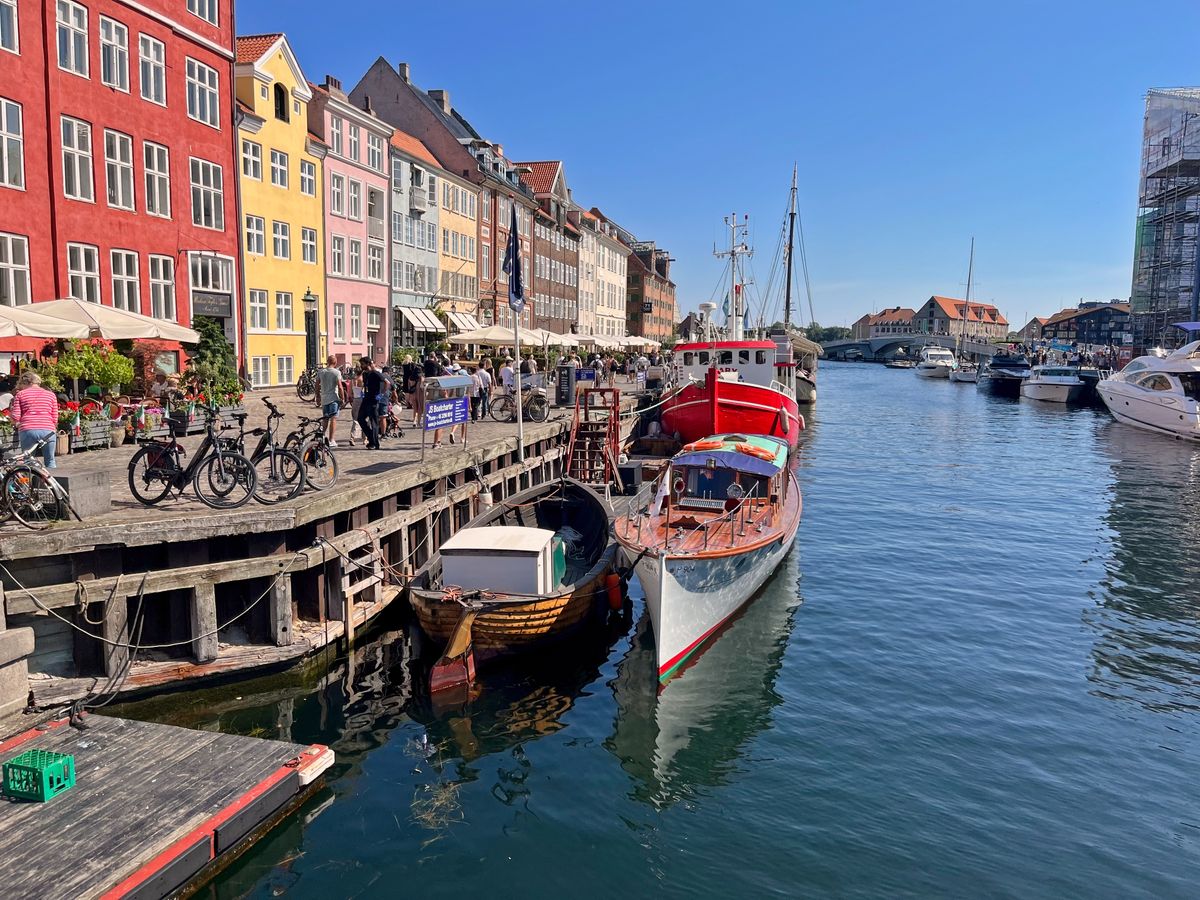
Copenhagen has the colourful Nyhavn harbour, the Tivoli Gardens amusement park, Danish design and a food scene known around the world. It's a great city for cycling.
- Best time: May to August for long days, or mid-November to early January when Tivoli opens for Christmas.
- Tip: rent a bike. Copenhagen has cycle lanes almost everywhere, and it's the quickest way to see the city like a local.
13. Venice, Italy
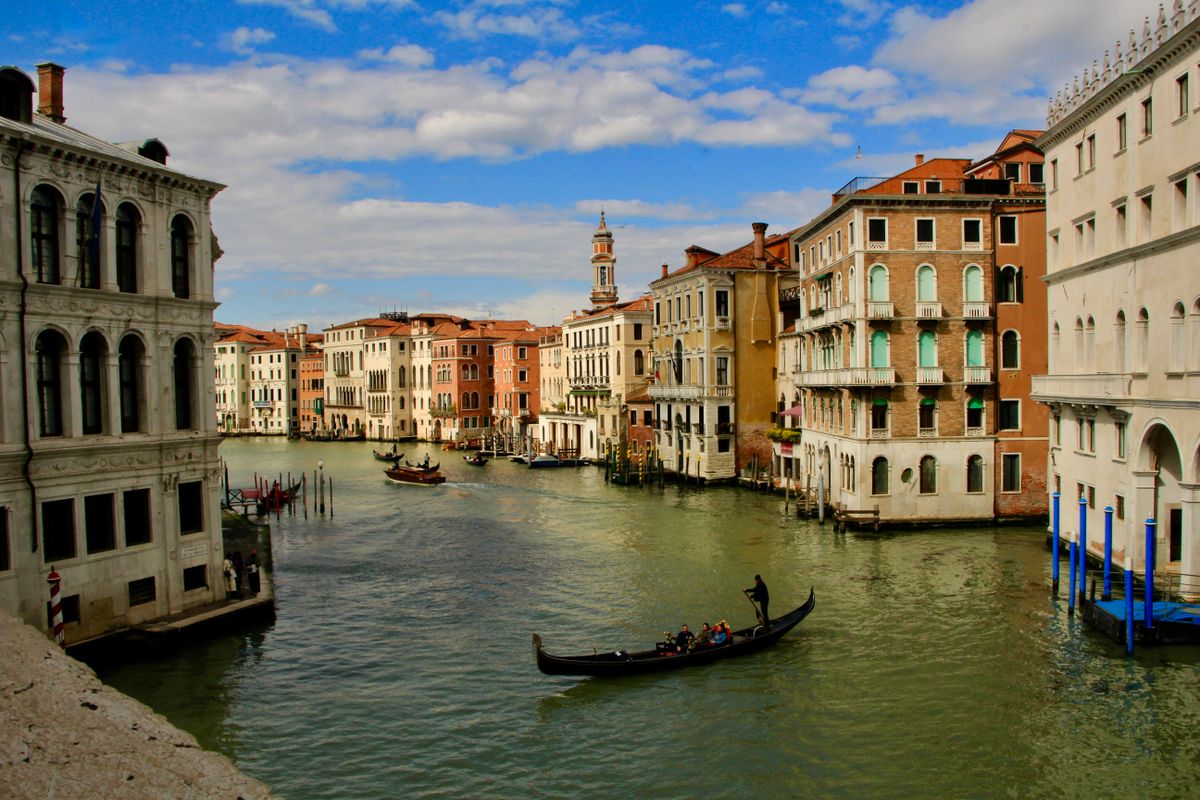
Venice is a city without cars: canals, bridges, St Mark's Square and the Rialto Bridge. The best moments come when you get lost in the quiet back streets, away from the main routes.
- Best time: April to June and September to November.
- Tip: on busy days in spring and summer, day-trippers have to book and pay an access fee. Check the calendar on the official Venice Access Fee site before you go. If you stay overnight, you don't pay it.
14. Athens, Greece

Athens is home to the Acropolis and the Parthenon, the Acropolis Museum and the lively Plaka and Monastiraki districts. From the port of Piraeus, ferries leave for the Greek islands, including Santorini.
- Best time: April to June and September to October. Summer can be very hot.
- Tip: visit the Acropolis right when it opens, before the heat and the tour groups.
15. Kraków, Poland
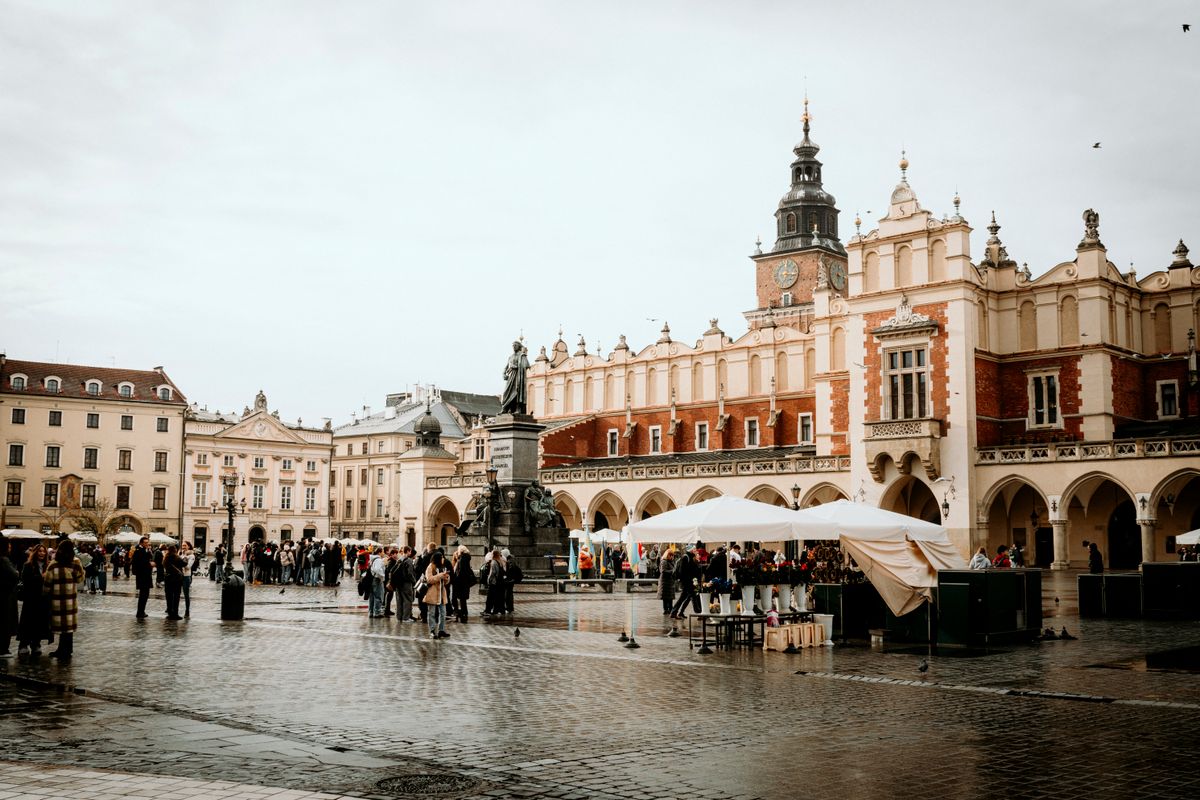
Kraków has one of Europe's largest medieval market squares, Wawel Castle and the Kazimierz district. It's also the base for visiting the Auschwitz-Birkenau Memorial and the Wieliczka Salt Mine.
- Best time: May to September, or December for the Christmas market.
- Tip: reserve your Auschwitz-Birkenau visit on the official Memorial site well ahead. Free entry for visits without a guide must be booked online.
Which European city is right for you?
Can't decide which country to visit in Europe? Start with what kind of trip you want.
- Your first trip to Europe: Paris, Rome or London. The classics are classics for a reason.
- Art and museums: Madrid, Amsterdam, Vienna and Paris.
- History you can walk through: Rome, Athens, Prague and Kraków.
- Sea and city in one trip: Barcelona, Lisbon and Athens.
- Christmas markets and winter: Vienna, Prague, Budapest and Kraków.
- January: Budapest for the outdoor thermal baths, Vienna for the ball season, Lisbon or Athens for milder weather.
- Summer: Copenhagen and Amsterdam for long, light evenings. Porto and Lisbon if you want sun with a sea breeze.
- A smaller budget: Budapest, Kraków and Porto. Eurostat's price level data puts Hungary, Poland and Portugal below the EU average.
- Travelling alone: Copenhagen, Amsterdam and Lisbon are compact, walkable and easy to get around by public transport.
- Several cities in one trip: combine neighbours like Vienna, Budapest and Prague, or Lisbon and Porto. Our 14-day Europe itinerary shows one way to do it.
Beyond the cities: winter and summer escapes
Want nature between city breaks? These places from our original list are still worth the detour.
- Abisko, Sweden: a well-known spot in Swedish Lapland to watch for the northern lights, with the Aurora Sky Station. The Icehotel is nearby in Jukkasjärvi.
- Svalbard, Norway: an Arctic archipelago between mainland Norway and the North Pole, with glaciers, polar nights in winter and the midnight sun in summer (Visit Svalbard).
- Jasná, Slovakia: a ski resort in the Low Tatras mountains (Jasná).
- Brașov, Romania: a medieval old town in Transylvania, close to Bran Castle and the Poiana Brașov ski area.
- Giethoorn, Netherlands: a village of canals and footbridges where you get around by boat (Giethoorn).
- Sicily, Italy: the largest island in the Mediterranean, with Mount Etna, Palermo and Greek temples.
- Santorini, Greece: whitewashed villages on the edge of a volcanic caldera, best known for its sunsets.
Love islands? See our list of the best islands to visit in Europe. Love city skylines? See 10 skyscrapers worth visiting.
Staying connected while you hop between cities
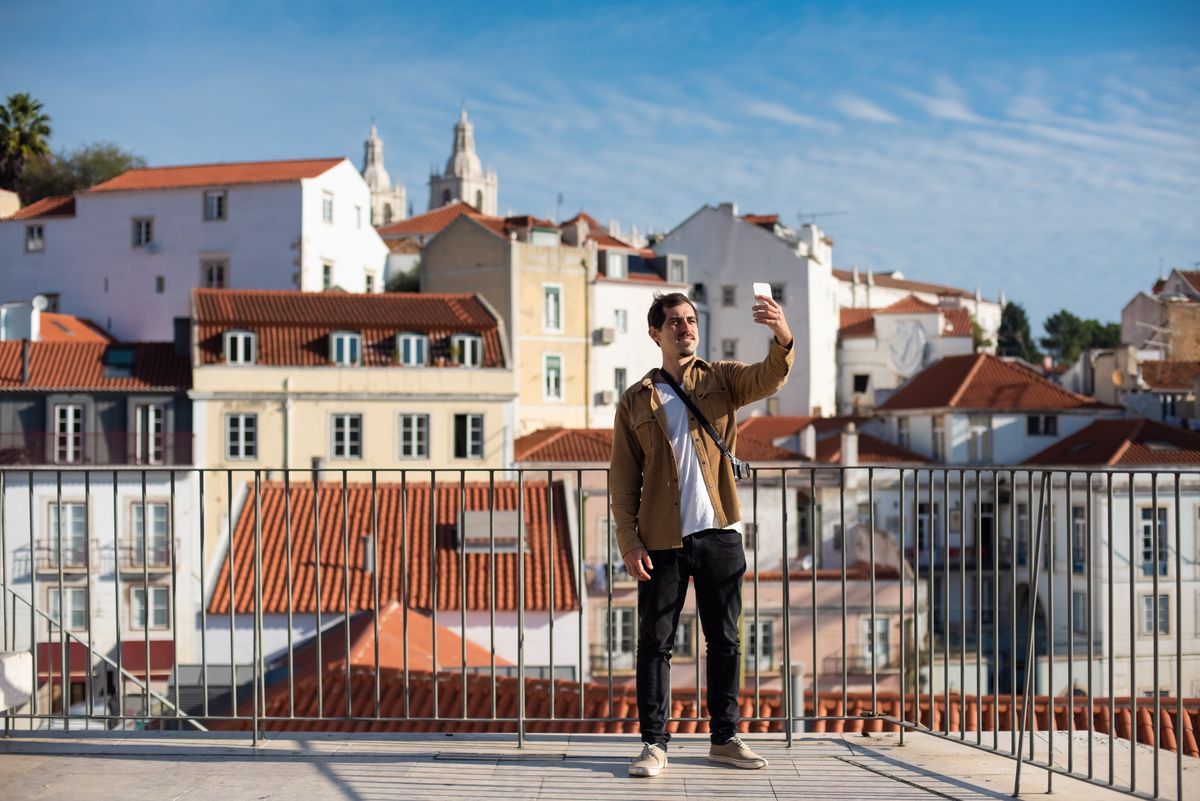
On a city trip, your phone does a lot of work: maps, museum time slots, train tickets, ride apps and translations. If you live outside the EU, roaming with your home plan can get expensive. A travel eSIM gives you local data from the moment you land, and you keep your own number on your phone for texts and codes.
All 15 cities on this list are in the coverage of the SimOptions Europe plans below, so one eSIM works as you cross borders. Here's how to choose:
- Europe Unlimited: unlimited data for 7 or 14 days in 54 countries, including Turkey and the Balkans. Data only, no phone number.
- Bouygues Telecom plans: data, a French +33 number and unlimited calls and SMS within Europe, in 46 countries. Handy if hotels, tours or restaurants need to call you.
Planning a busy week of sightseeing with lots of maps, photos and video calls? An unlimited data plan suits that kind of trip.
SimOptions Europe Unlimited · 7 or 14 days · 54 countries · See all Europe eSIMs
Need a number that people in Europe can call, for bookings or tour pickups? The Bouygues Telecom plans add one.
Bouygues Telecom · French +33 number · calls, SMS and data in 46 countries · See all Europe eSIMs · Visiting one country? Find your destination
Not sure which plan fits? Compare them in our guide to the best eSIM for Europe, see when you need a European phone number, and read how to use an eSIM in Europe. Install the eSIM before you fly with our step-by-step guide, and load up on useful travel apps.
FAQ
What is the best city to visit in Europe?
There's no single answer. For a first trip, Paris, Rome and London are the classic picks. For art, try Madrid or Vienna. For a smaller budget, Budapest, Kraków or Porto.
What are the best European cities to visit in winter?
Vienna, Prague, Budapest, Kraków and Copenhagen have Christmas markets or festive seasons from late November. Budapest's outdoor thermal baths are a winter highlight. For milder weather, try Lisbon or Athens.
What are the best European cities to visit in January?
Budapest for the thermal baths, Vienna for the ball season, and Lisbon or Athens if you want milder weather. Most Christmas markets close before January, so check dates if that's your goal.
What are the best European cities to visit in summer?
Copenhagen, Amsterdam and Porto are good in summer, with long days. Barcelona, Lisbon and Athens add beaches, but Athens and Madrid can be very hot in July and August.
Which European cities are best for sightseeing on foot?
Prague, Venice, Porto, Kraków and Amsterdam have compact old towns where most sights are within walking distance.
What is the European Best Destinations list?
It's an online vote run each year by the travel organisation European Best Destinations. Recent winners include Marbella (2024), Monaco (2025) and Madrid (2026).
How many European cities can you visit in two weeks?
Three or four cities is a comfortable pace, with two to four nights in each. Pick cities that are close together, like Vienna, Budapest and Prague, to keep travel time short.
Do I need a different eSIM for each country?
No. A regional Europe eSIM covers many countries in one plan, so you stay online when you take the train from one city to the next. Check that every country on your route is in the plan's coverage list.