
A good 14 day Canada itinerary for a first trip is 3 days in Vancouver, 3 in Calgary with a day in Banff National Park, 3 in Toronto with Niagara Falls, 3 in Ottawa and 2 in Montreal. You cross the country from the Pacific to Quebec, with a flight for the long jumps in the west and short hops by train or car in the east. Two weeks will not show you all of Canada, but you get big cities, the Rockies and the capital in one trip. Below you get the plan day by day, the top things to do in each stop and a few tips for the trip itself.
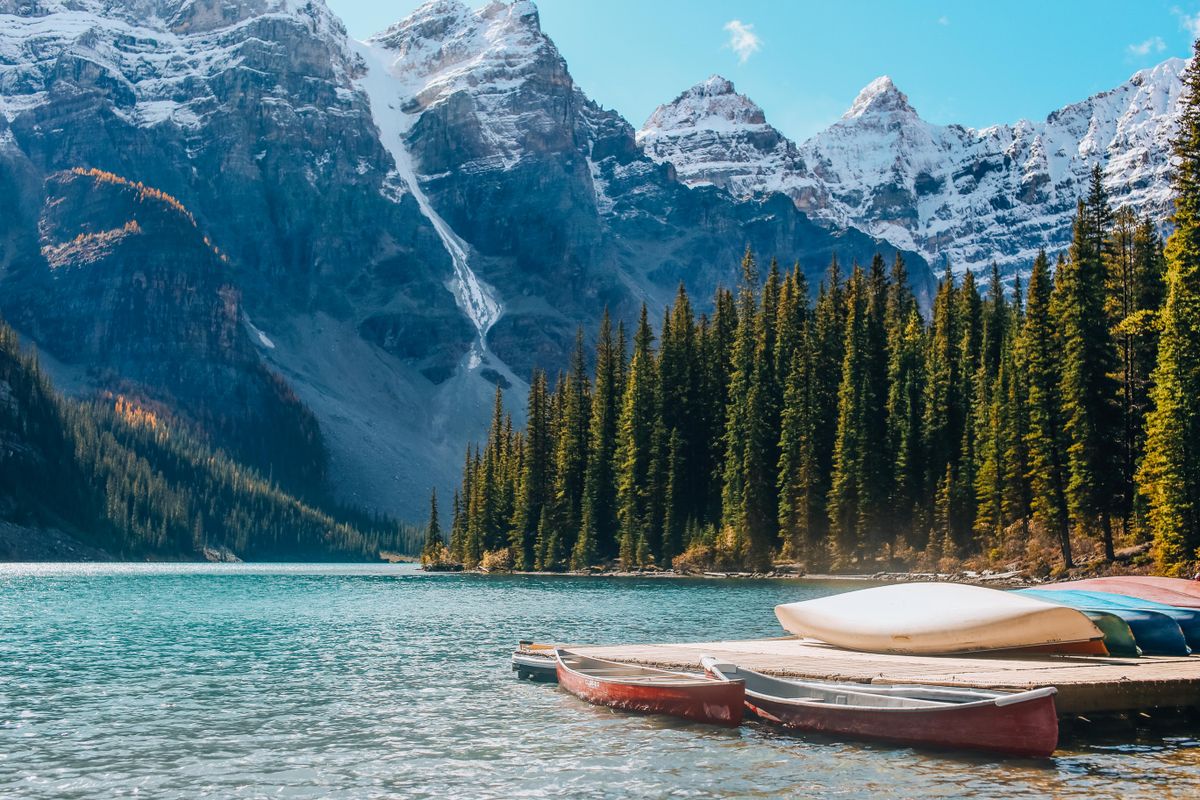
14 Days Canada Travel Itinerary at a Glance
- Days 1 to 3: Vancouver (Stanley Park, Capilano Suspension Bridge Park, Granville Island, Gastown)
- Days 4 to 6: Calgary and Banff (Calgary Tower, Heritage Park, Calgary Zoo, a day in Banff National Park)
- Days 7 to 9: Toronto (CN Tower, Royal Ontario Museum, Distillery District, a day trip to Niagara Falls)
- Days 10 to 12: Ottawa (Parliament Hill, Rideau Canal, ByWard Market, national museums)
- Days 13 to 14: Montreal (Old Montreal, Notre-Dame Basilica, Old Port, Mount Royal)
Distances in Canada are long, so fly from Vancouver to Calgary and from Calgary to Toronto. In the east, Toronto, Ottawa and Montreal are closer together, so you can go on by train or car. You can compare train times on the VIA Rail website. Use the first day of each stop as a travel day, and book the flights early.
Before You Go: What to Sort Out
Entry rules
Next to your passport, you may need a visa or an Electronic Travel Authorization (eTA) to enter Canada, depending on your nationality and how you travel. The Canada Border Services Agency advises you to apply for an eTA before you book your trip. Most applications are approved within minutes, but some take several days. Apply only through the official Government of Canada website, as companies that offer to file an eTA for you do not work for the government.
Seasons
Plan the route around the season. Some sights are seasonal: the Historical Village at Heritage Park in Calgary closes for part of the year, while the Rideau Canal in Ottawa is full of boats from spring to fall and turns into a skating rink in winter. Check opening dates on each official site before you fix your days.
Staying online
You will use maps, flight and train apps, ticket QR codes and park information every day. Roaming from your home plan can get expensive, and hotel Wi-Fi does not help on the road to Banff. A Canada eSIM gives you mobile data from the moment you land. Install it at home before you fly, as the steps are in our eSIM installation guide. Your phone needs to support eSIM and be unlocked, which you can check in our list of eSIM compatible devices. For mountain roads, download offline maps as well.
For 14 days, pick a plan that lasts at least 14 days. Five stops with maps, photos and video calls add up, so choose a bit more data than you think you need. One eSIM covers the whole route, from Vancouver to Montreal.
These plans are data-only and work across Canada. More options on our Canada eSIM page and all other regions on our destinations page. Not sure which plan fits you? See our guide to the best eSIMs for Canada.
Days 1 to 3: Vancouver
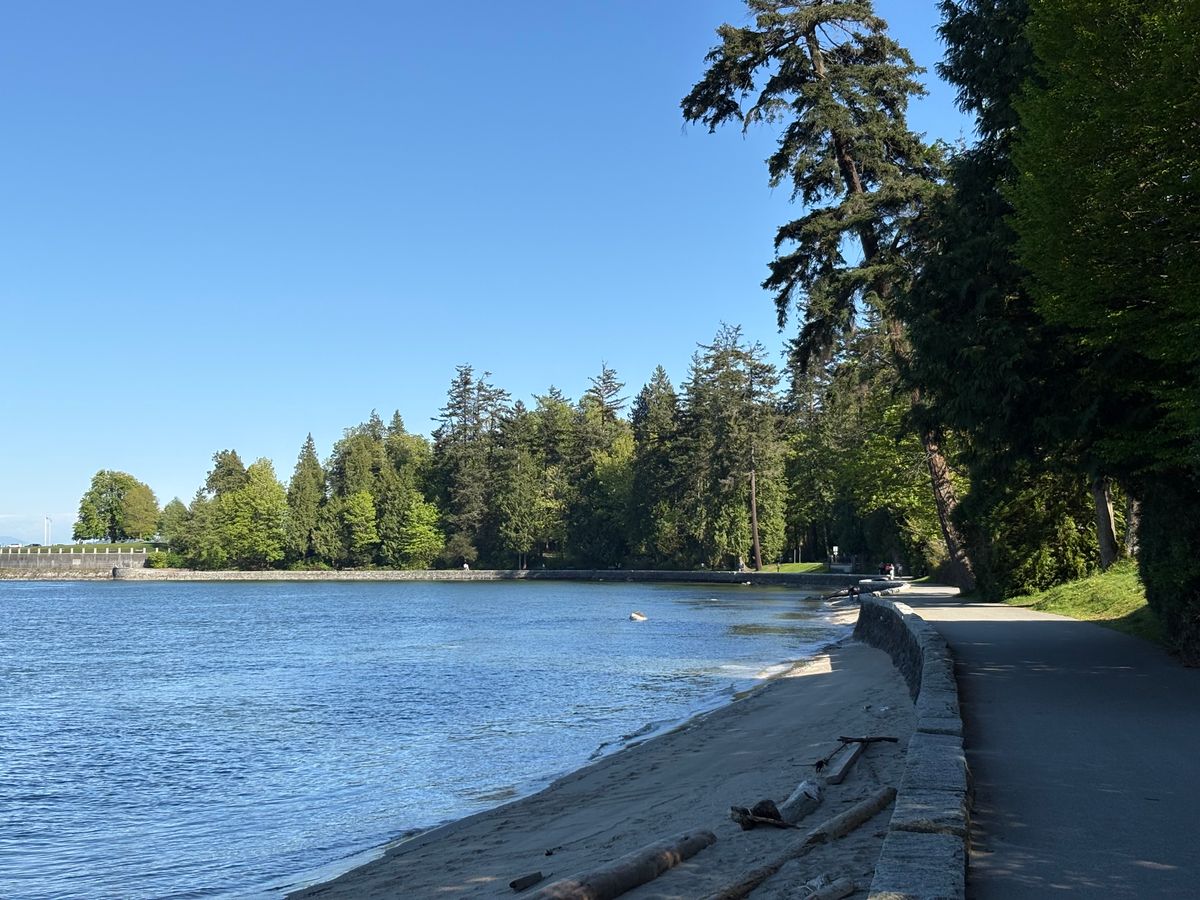
Vancouver sits between the Pacific coast and the North Shore mountains, which makes it an easy and green start to the trip. Three days let you mix the waterfront, the forest and a few city neighbourhoods.
- Stanley Park: One of the largest urban parks in the world, with more than 1,000 acres of West Coast rainforest. Walk, bike or skate the 10 km seawall, which also takes you to the park's totem poles. The Destination Vancouver Stanley Park guide says it is about a 30 minute walk from Canada Place.
- Capilano Suspension Bridge Park: In North Vancouver, you cross the suspension bridge, walk through the rainforest canopy on Treetops Adventure and follow Cliffwalk high above the canyon. The park runs a free shuttle, as shown on the official park site.
- Granville Island: A former industrial site on False Creek with a public market, studios and shops. It opened as Granville Island in 1979, and old warehouses now house the market, according to Destination Vancouver. Check market hours on the Granville Island website.
- Gastown: A historic neighbourhood with cobblestone streets, brick buildings and the Gastown Steam Clock. It started with a single tavern founded by John "Gassy Jack" Deighton, as Destination Vancouver explains. It is a good place for dinner on your first evening.
Days 4 to 6: Calgary and Banff
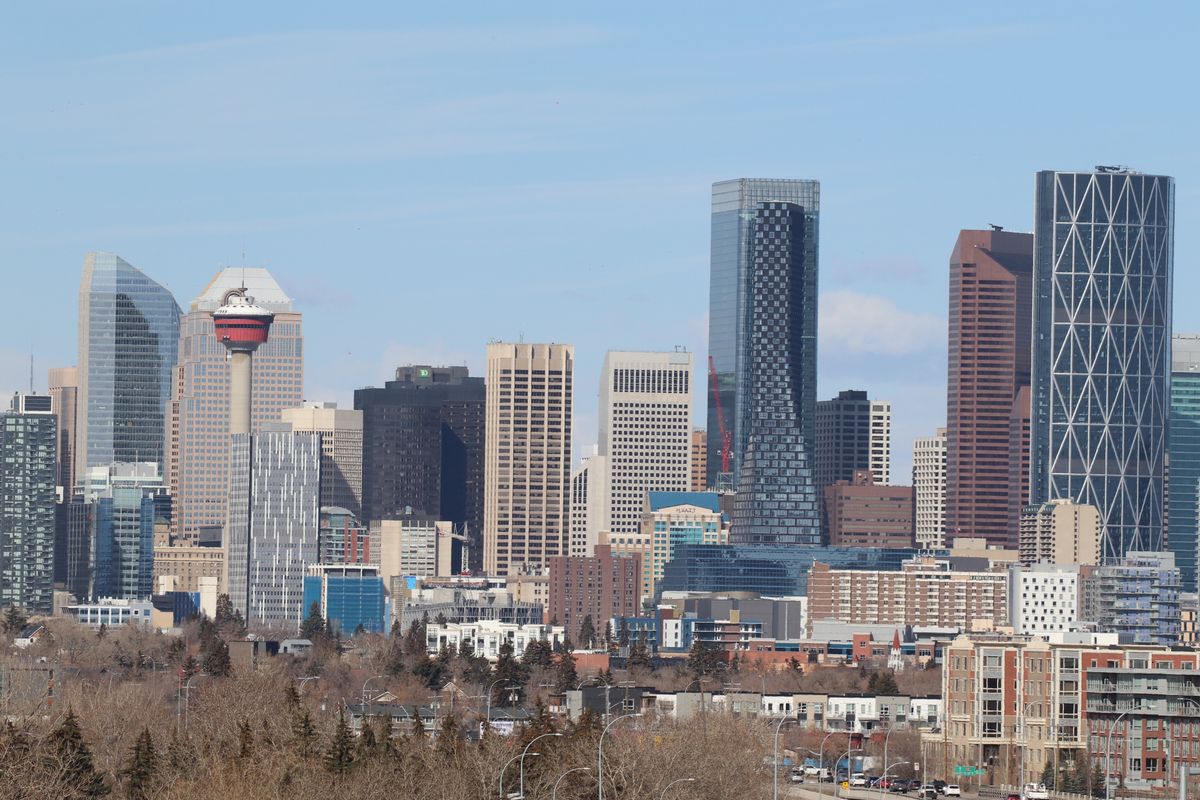
Fly from Vancouver to Calgary, your base for the Rockies. Spend one or two days in the city and keep at least one full day for Banff National Park.
- Calgary Tower: Go up for 360 degree views over the city and stand on the glass floor if you dare. See the Calgary Tower visit page for tickets.
- Heritage Park: A living history museum with more than 180 exhibits and 55,000 artifacts. The Historical Village is seasonal, while Gasoline Alley Museum is open all year. Check dates on the Heritage Park website.
- Calgary Zoo: The Wilder Institute's Calgary Zoo has animal zones from Penguin Plunge to Imagine Asia and more than 100 species. Hours and tickets are on the official zoo site.
- Banff National Park: Canada's first national park and part of the Canadian Rocky Mountain Parks UNESCO World Heritage Site. It lies 128 km west of Calgary, and there are public transit and shuttle options from the city, as the Parks Canada visit page explains. If you stop in the park, you need a Park Pass. A daily pass is valid until 4:00 pm on the day after you buy it, according to the Parks Canada pass page.
Days 7 to 9: Toronto
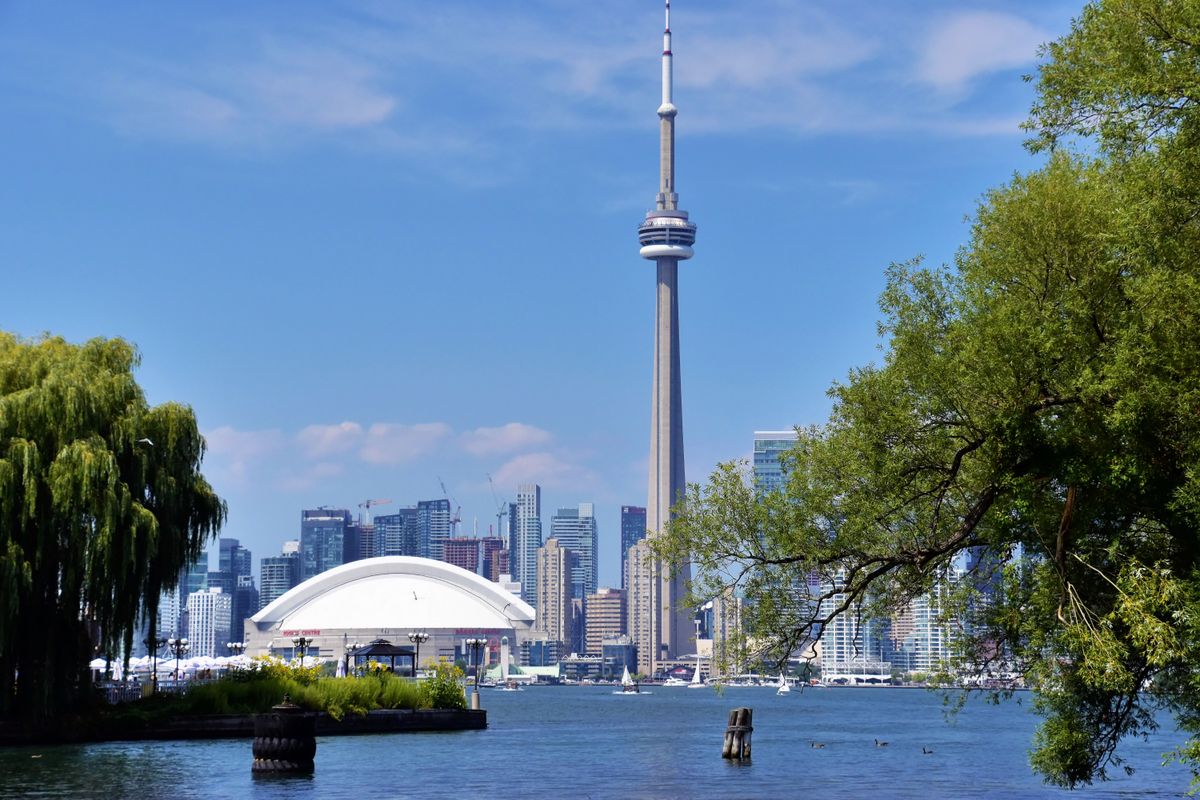
Fly from Calgary to Toronto, a big city on Lake Ontario and a good base for Niagara Falls. Keep two days for the city and one for the falls.
- CN Tower: The tower is 553 metres (1,815 feet) tall and opened to the public in 1976, as the CN Tower history page explains. Besides the observation levels, you can book the EdgeWalk, a hands-free walk around the outside of the main pod, 116 storeys above the ground.
- Royal Ontario Museum: The ROM holds 18 million artworks, cultural objects and natural history specimens in 40 gallery and exhibition spaces, from dinosaurs to gems and mummies. Plan your visit on the ROM website.
- Distillery District: Historic distillery buildings now full of galleries, restaurants and shops, open 364 days a year. In the holiday season it hosts the Distillery Winter Village. See the Distillery District website.
- Niagara Falls day trip: Niagara Parks lists a direct train from Toronto and the WEGO bus to get around the falls. At Journey Behind the Falls you go 125 feet underground through tunnels to an observation deck at the base of the Horseshoe Falls, and the visit takes about 30 to 45 minutes. Details are on the Niagara Parks website.
Days 10 to 12: Ottawa
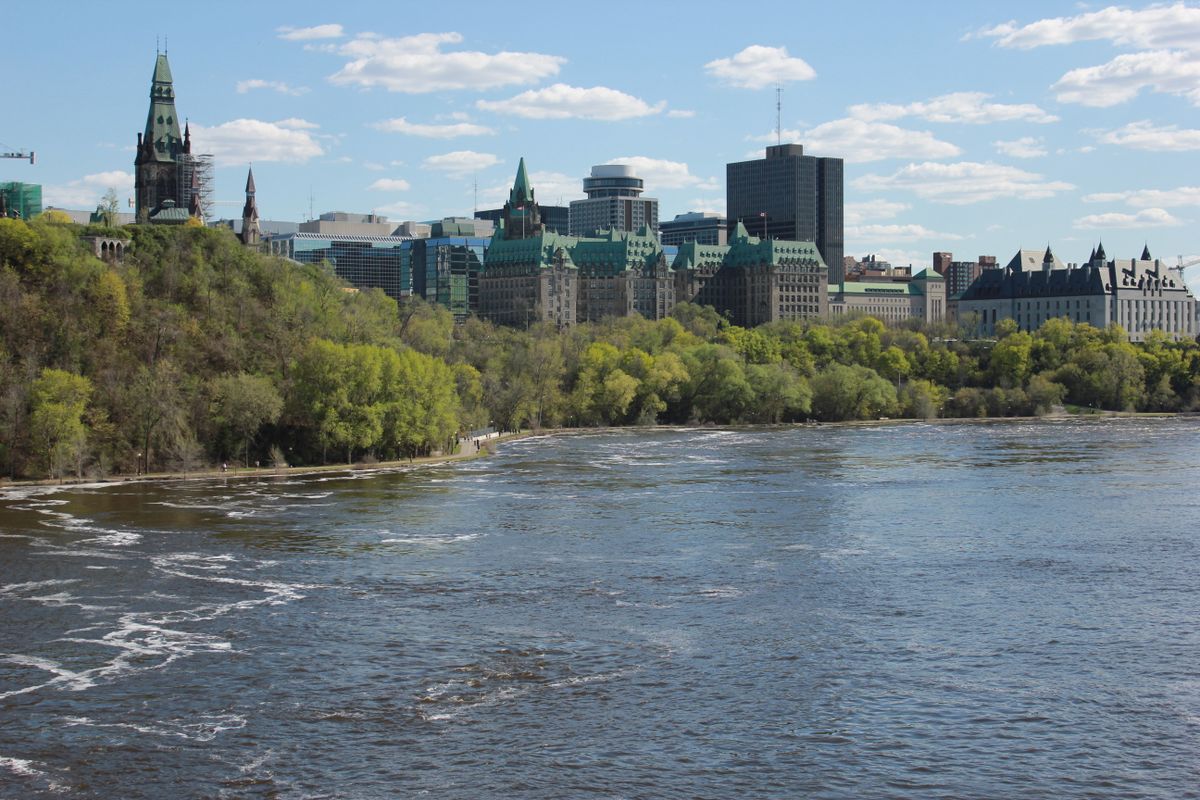
Ottawa is the capital of Canada and Parliament Hill is the seat of the federal government. It is compact, so three days are enough to see the main sights at a slow pace.
- Parliament Hill: The most visited attraction in Ottawa. Guided tours are free and include the Senate, the House of Commons, East Block and Parliament: The Immersive Experience. Reserve your tickets in advance, as Ottawa Tourism advises.
- Rideau Canal: A UNESCO World Heritage Site that runs 202 km from Ottawa to Kingston. Parks Canada calls it the only canal from the great 19th century canal building era that still works along its original route. See the Parks Canada Rideau Canal page. In winter, part of it becomes the Rideau Canal Skateway.
- ByWard Market: Established by Lt-Col. John By in 1827, it is one of Canada's oldest and largest public markets, with more than 200 small businesses. It is a farmers' market and shopping area by day and a busy spot for restaurants at night. See the ByWard Market website for hours.
- National museums: Ottawa has seven national museums, including the National Gallery of Canada and the Canadian War Museum. The Canadian Museum of History is in Gatineau, right next to Ottawa.
Things to do in Ottawa this weekend
If your Ottawa days fall on a weekend, check what is on before you go. The Ottawa Tourism event calendar has a "This weekend" filter for festivals, museum exhibitions, sports and more. Combine one event with a walk through the ByWard Market and an evening by the canal.
Days 13 to 14: Montreal
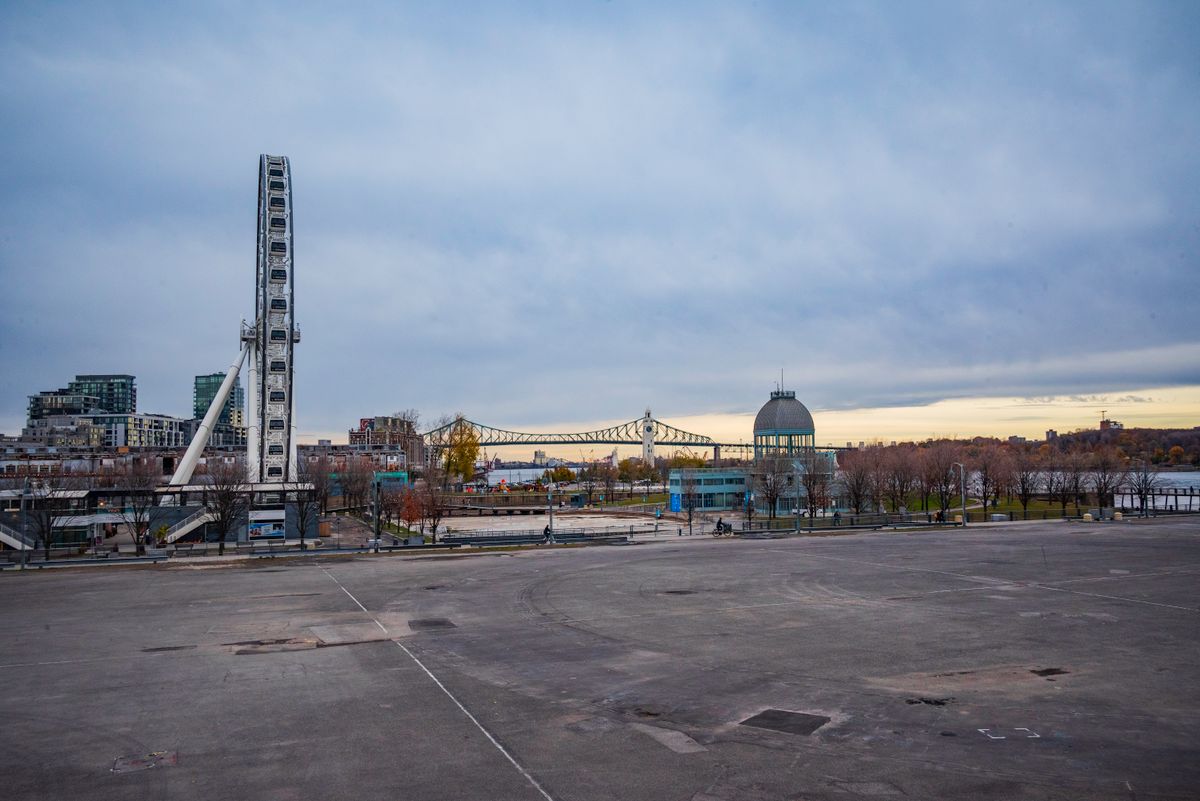
Montreal is the last stop. Two days are short, so focus on the old town, the waterfront and the mountain. Crossing the border too? See the 6 best places to visit in the USA.
- Notre-Dame Basilica: An imposing neo-Gothic church and one of Montreal's emblematic sites. You can join a daytime sightseeing visit or see The AURA Experience in the evening. Book on the official basilica site.
- Old Port: The waterfront opens onto the river in the heart of the city, with La Grande Roue de Montréal, a Ferris wheel with views from 60 metres high, plus the Montréal Science Centre and seasonal events. The site is open from 6 am to midnight, according to the Old Port of Montreal website.
- Mount Royal: The 200 hectare Mount Royal Park got its modern look from Frederick Law Olmsted, of Central Park fame, in a project inaugurated in 1876. Walk up to the Kondiaronk Belvedere lookout in front of the Mount Royal Chalet for the view over the city, as Tourisme Montréal suggests.
Tips for Your 14 Days in Canada
- Book the big tickets early: Parliament Hill tours, the CN Tower EdgeWalk and evening shows like AURA can fill up in busy months.
- Plan your money: Cards are widely used, but fees on your home card can add up. See how to avoid international ATM fees.
- Want more ideas? Our Canada holiday guide helps you swap a stop, for example if you want more time in the mountains.
- Going on to the USA? See our guide to the best eSIMs for the USA and Canada.
FAQ
Is 14 days enough for Canada?
It is enough for a first trip with four or five stops. Canada is huge, so you will not see everything. This plan covers the west coast, the Rockies and the big cities of the east.
What is the best route for a 14 day Canada trip?
This plan goes Vancouver, Calgary and Banff, Toronto, Ottawa and Montreal, in one direction from west to east. You fly the two long legs and travel by train or car between Toronto, Ottawa and Montreal, so you never double back.
How many days should I spend in each city?
This itinerary uses 3 days each in Vancouver, Calgary with Banff, Toronto and Ottawa, and 2 days in Montreal. If you prefer nature, take a day from Toronto or Ottawa and add it to Banff.
What is the capital of Canada?
The capital of Canada is Ottawa. It is the seat of the federal government and home to Parliament Hill, which you visit on days 10 to 12 of this plan.
Do I need a visa or eTA for Canada?
It depends on your passport and how you travel. Many visitors need either a visa or an eTA. Check the official Canada Border Services Agency page, which links to the Government of Canada eTA application, and apply before you book your trip.
How do I get mobile data in Canada?
The easiest way is a Canada eSIM that you install before you fly. It is data-only, so you use WhatsApp, FaceTime or other apps for calls. You can also compare options in our overview of eSIM providers in Canada.