
A great Canada trip mixes one big city region with one nature region: Toronto and Niagara Falls, Vancouver and the Rockies, or Montréal, Québec City and the Atlantic coast. Summer and early fall are the easiest seasons for parks and road trips, winter is for snow and skiing. Before you fly, check whether you need an eTA or a visa, and plan how you will get mobile data, as distances are huge and you will rely on maps.
Before You Go: Entry Rules
To enter or transit through Canada, most travellers need either a visa or an Electronic Travel Authorization (eTA), not both. A short visit is normally up to 6 months. Travellers who arrive by land or sea do not need an eTA, but they still need valid travel documents. Your passport must be valid for the whole length of your stay.
Apply for your eTA before you book your trip. Most applications are approved within minutes, but some take several days. Only use the official Government of Canada website: other sites that offer "help" with the eTA do not work for the government and charge an extra fee. Check what applies to your passport on the Canada Border Services Agency travel documents page and, for British passports, the GOV.UK Canada entry requirements.
If you carry CAN$10,000 or more in cash or similar, you must declare it at the border.
Best Time to Visit Canada
Canada is huge, so the best time depends on where you go and what you want to do.
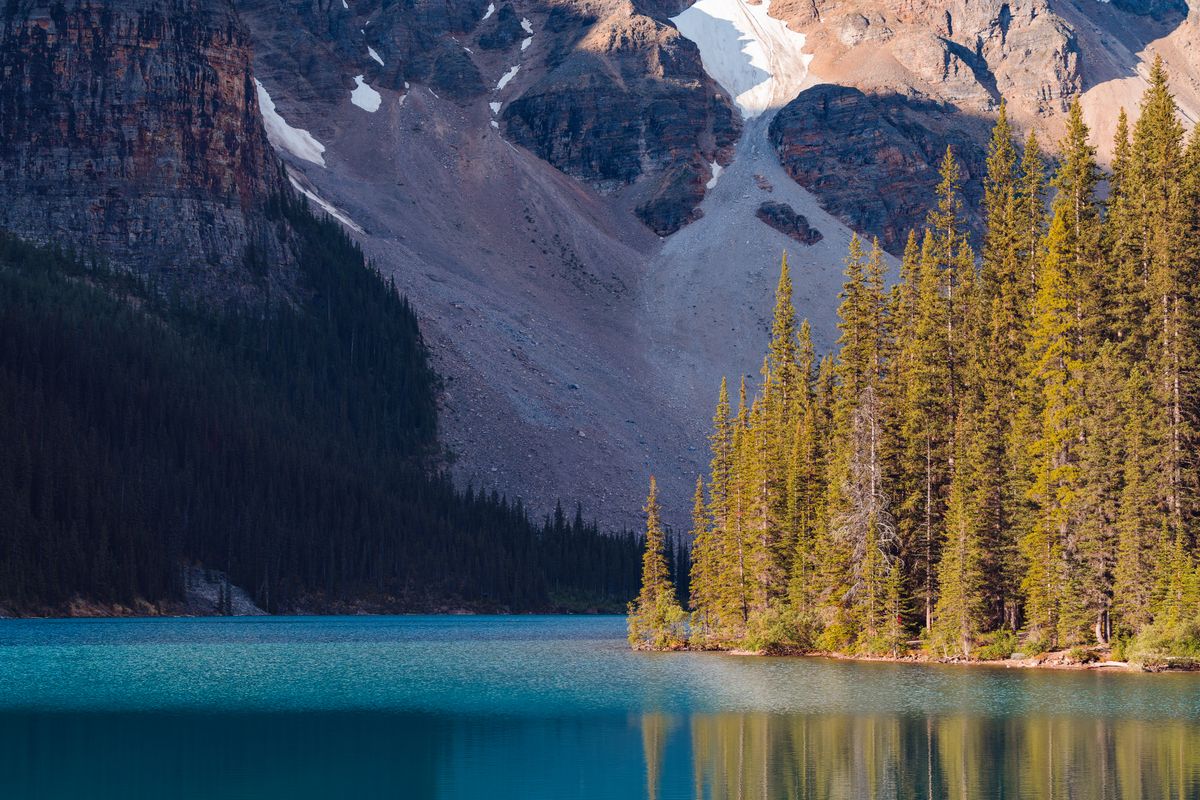
- Summer: the main season for national parks, hiking and coastal drives. It is also the busiest time. At Lake Louise and Moraine Lake in Banff, transit is the guaranteed way to see both lakes and reservations are required. On the Skyline Trail in Cape Breton Highlands, parking reservations are needed in the peak season.
- Fall: Parks Canada says fall temperatures are the most enjoyable for hiking in the Rocky Mountains.
- Winter: the season for skiing, skating and winter festivals. Snowstorms and avalanches often close highways in Alberta, British Columbia and other provinces, so check the weather before every drive.
Where to Go in Canada
You will not see the whole country in one trip. Pick one or two regions and give them time. Here are the classic choices for a first visit.
Toronto and Niagara Falls (Ontario)

- CN Tower, Toronto: at 553 metres (1,815 feet), it opened to the public in 1976 and has observation levels, the 360 Restaurant and the EdgeWalk.
- Royal Ontario Museum, Toronto: galleries of art, world culture and natural history.
- Horseshoe Falls, Niagara Falls: on Journey Behind the Falls you go 125 feet underground to tunnels and an observation deck at the base of the falls. Niagara City Cruises take you on the water.
Ottawa, Canada's capital, is also in Ontario. For a full route through these cities, see our 14 day Canada itinerary.
Vancouver and British Columbia
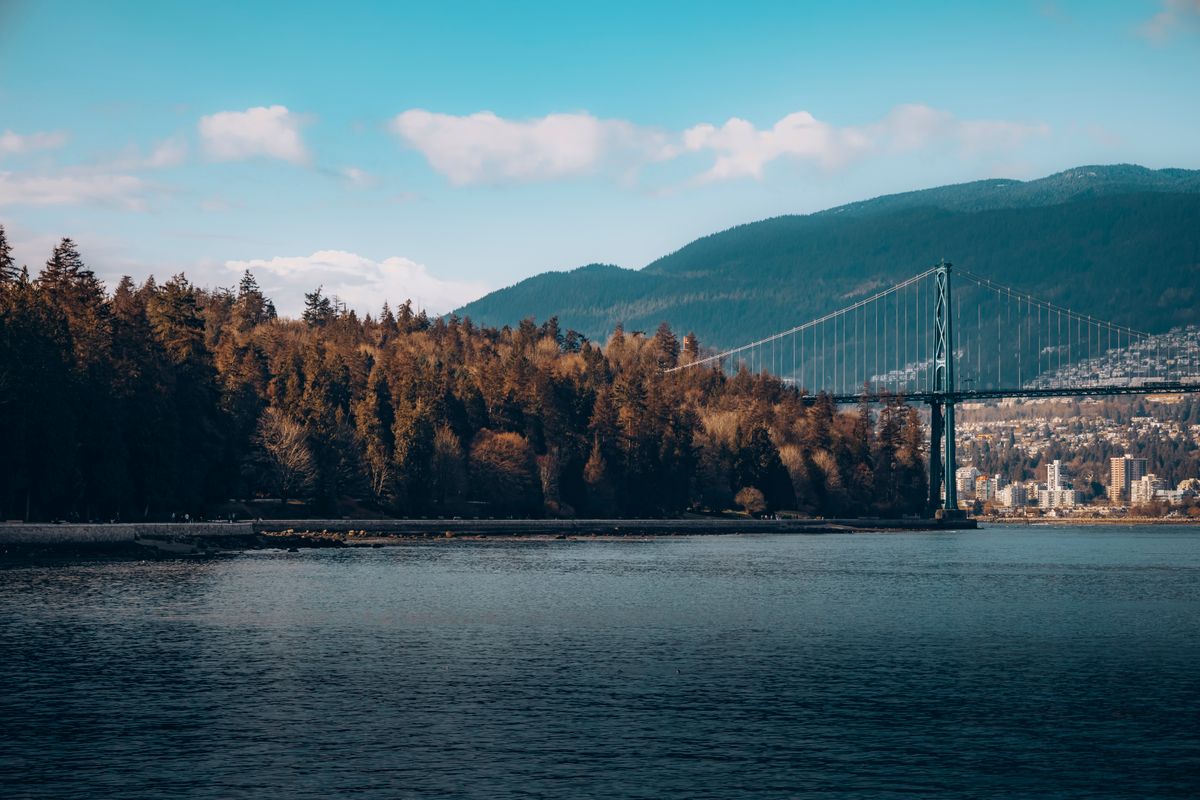
- Stanley Park, Vancouver: more than 1,000 acres of West Coast rainforest, beaches and an aquarium, with a 10 km seawall for walking and cycling.
- Capilano Suspension Bridge Park, North Vancouver: cross the suspension bridge, walk the treetop paths of Treetops Adventure and the Cliffwalk above the canyon. A free shuttle runs from downtown.
- The Butchart Gardens, Brentwood Bay: a 55 acre display garden on Vancouver Island and a National Historic Site of Canada.
Banff and Jasper (the Canadian Rockies)
- Banff National Park: Canada's first national park, with mountain peaks and glacial lakes like Lake Louise and Moraine Lake. It is part of the Canadian Rocky Mountain Parks UNESCO World Heritage Site.
- Jasper National Park: the largest national park in the Canadian Rockies and the second largest dark sky preserve in the world, known for wildlife and long trails.
Drones are not allowed in Banff National Park. Keep a safe distance from all wildlife, take your rubbish with you and take extra care where bears have been seen.
Montréal and Québec City (Quebec)

- Old Québec: a UNESCO World Heritage site with cobblestone streets, and the only fortified city north of Mexico. It is easy to explore on foot.
- Mount Royal, Montréal: a 200 hectare park designed by Frederick Law Olmsted, the landscaper of New York's Central Park, and opened in 1876.
English and French are both official languages of Canada. A few words of French go a long way in Quebec.
Nova Scotia (Atlantic Canada)
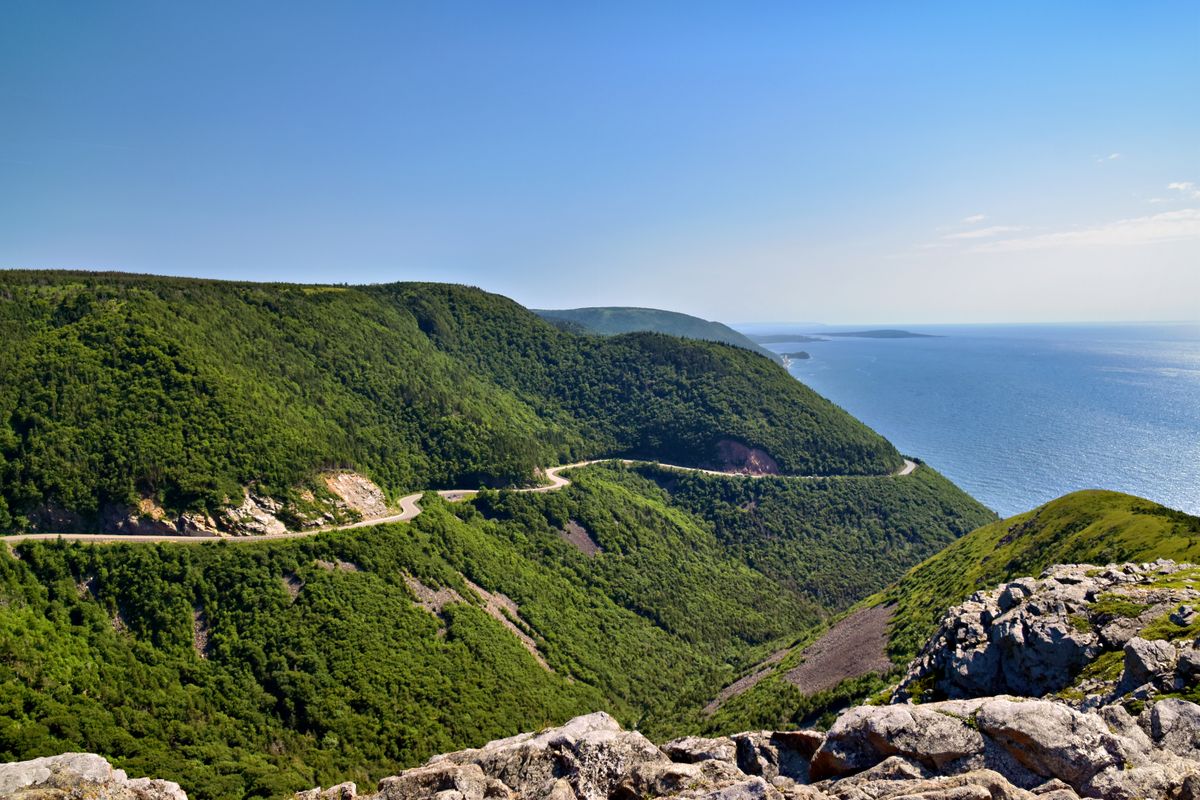
- Cape Breton Highlands National Park: the Cabot Trail runs along the coast through forested river canyons and cliffs. Look out for moose, bald eagles and whales.
- Kejimkujik National Park: paddle waters travelled by the Mi'kmaq for thousands of years, see Mi'kmaw petroglyphs and stargaze in Nova Scotia's only dark sky preserve.
- Maritime Museum of the Atlantic, Halifax: on the Halifax waterfront, with stories of the Titanic and the Halifax Explosion.
How to Get Around Canada
Inside one city, public transport is the easiest way to move. Between regions, distances are long, so most visitors fly. Main international airports include Toronto Pearson, Vancouver International and Halifax Stanfield.
For a slow trip across the country, VIA Rail's Canadian train runs between Toronto and Vancouver through the Rockies. A rental car is the best way to reach national parks and coastal drives. Hire companies often ask for a year of driving experience, a higher minimum age or an International Driving Permit, so check their rules before you book.
Practical Tips
- Emergencies: call 911 for ambulance, fire and police.
- Safety: Canada is easy to travel, but take normal care with petty crime. Do not leave bags unattended and keep luggage out of sight in cars.
- Money: the currency is the Canadian dollar. Ask your bank before you go about card fees abroad and ATM charges.
- Sport: by law, ice hockey is Canada's national winter sport and lacrosse its national summer sport. A hockey game is a fun night out.
- Manners: read our travel etiquette tips before you go.
How to Stay Connected in Canada
The main local networks are Bell, Rogers and Telus. You will use maps, ride apps, park reservations and tickets all the time, and roaming from your home plan can get expensive. A Canada eSIM gives you mobile data from the moment you land. Install it at home before you fly, following our eSIM installation guide. Your phone must support eSIM and be unlocked: check our list of eSIM compatible devices.
Pick a plan that lasts as long as your trip. Road trips with maps and photos use more data than you think. Download offline maps before you head into remote parks.
These plans are data-only and work across Canada. See all options on our Canada eSIM page, compare them in our guide to the best eSIMs for Canada, or read about eSIM providers in Canada. Also visiting the USA? See our best eSIMs for the USA and Canada. Other countries are on our destinations page. Planning your next trip? See the 6 best places to visit in USA and our United Kingdom trip guide.
Frequently Asked Questions
Do I need a visa to visit Canada?
Most visitors need either a visa or an eTA, depending on their passport and how they arrive. Check on the official Government of Canada website before you book.
When is the best time to visit Canada?
Summer and early fall are best for national parks and road trips. Winter is best for skiing and snow, but storms can close highways.
How do I get around Canada?
Use public transport in cities, fly between regions and rent a car for national parks. VIA Rail's Canadian train links Toronto and Vancouver.
What are the best things to do in Canada?
Niagara Falls, the CN Tower, Stanley Park, Banff and Jasper, Old Québec and the Cabot Trail are great choices for a first trip.
Can I use an eSIM in Canada?
Yes, if your phone supports eSIM and is unlocked. Install a Canada eSIM before you fly and you have data as soon as you land.