
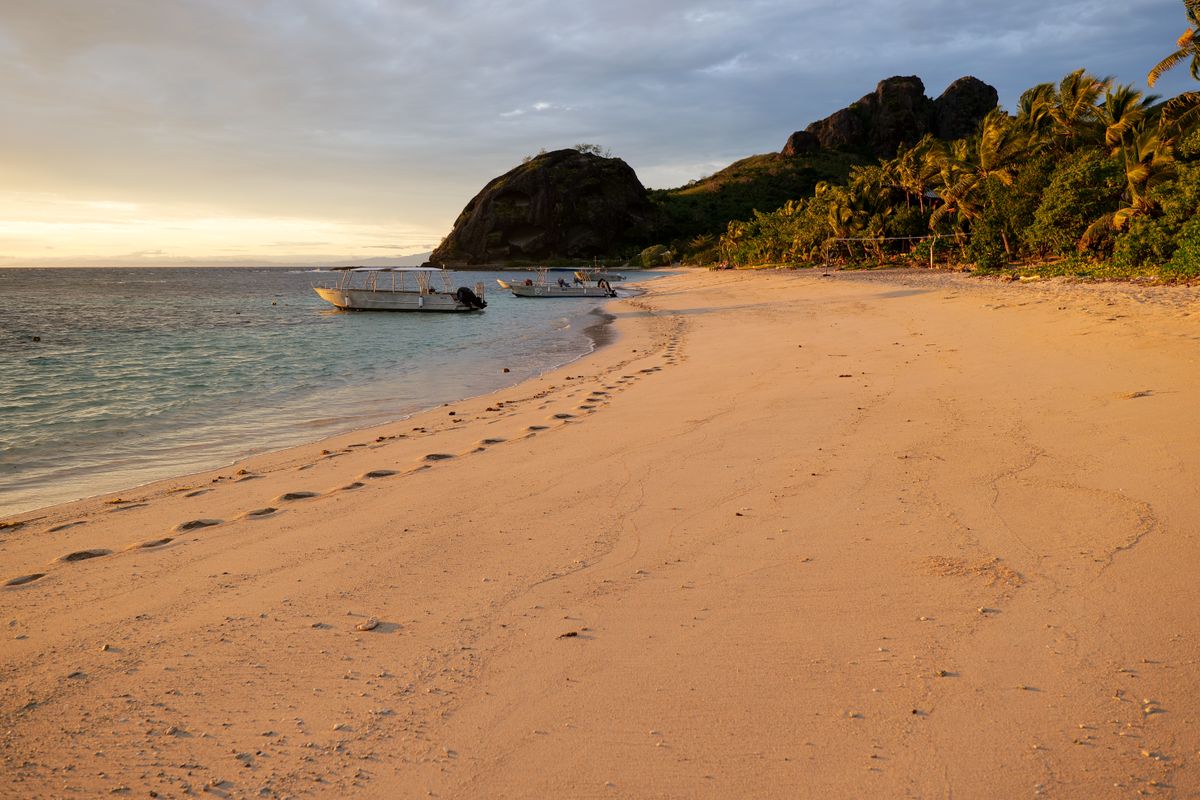
Looking for the best islands to visit in Oceania? The islands in Oceania range from Australia and New Zealand to South Pacific island countries like Fiji, Samoa, Vanuatu, Tonga and the Solomon Islands, and North Pacific islands like Palau, Micronesia, Guam and Hawaii. This guide covers 14 islands and island nations in Oceania: what each one is known for, how you get there, the entry rules to check before you go, and how to stay online once you land.
Islands in Oceania at a glance
Oceania's islands are spread across the Pacific Ocean, and there are thousands of them: Fiji alone counts more than 333 islands, and the Federated States of Micronesia more than 600. The islands in this guide fall into three rough groups:
- Australia and New Zealand: the two biggest countries, plus Norfolk Island, an Australian island about 2.5 hours' flight from Brisbane or Sydney.
- South Pacific island countries: Fiji, Samoa, Vanuatu, the Solomon Islands, Tonga and Tuvalu.
- North and central Pacific islands: Palau, the Federated States of Micronesia, Kiribati, Guam (a US territory) and Hawaii (a US state).
Planning to hop between several of them? Phone coverage and eSIM options differ a lot from one island nation to the next. See the section on staying connected below. Want more island ideas? See the 14 best islands to visit in Africa and the 11 best islands to visit in South East Asia.
The 14 best islands to visit in Oceania
1. Australia
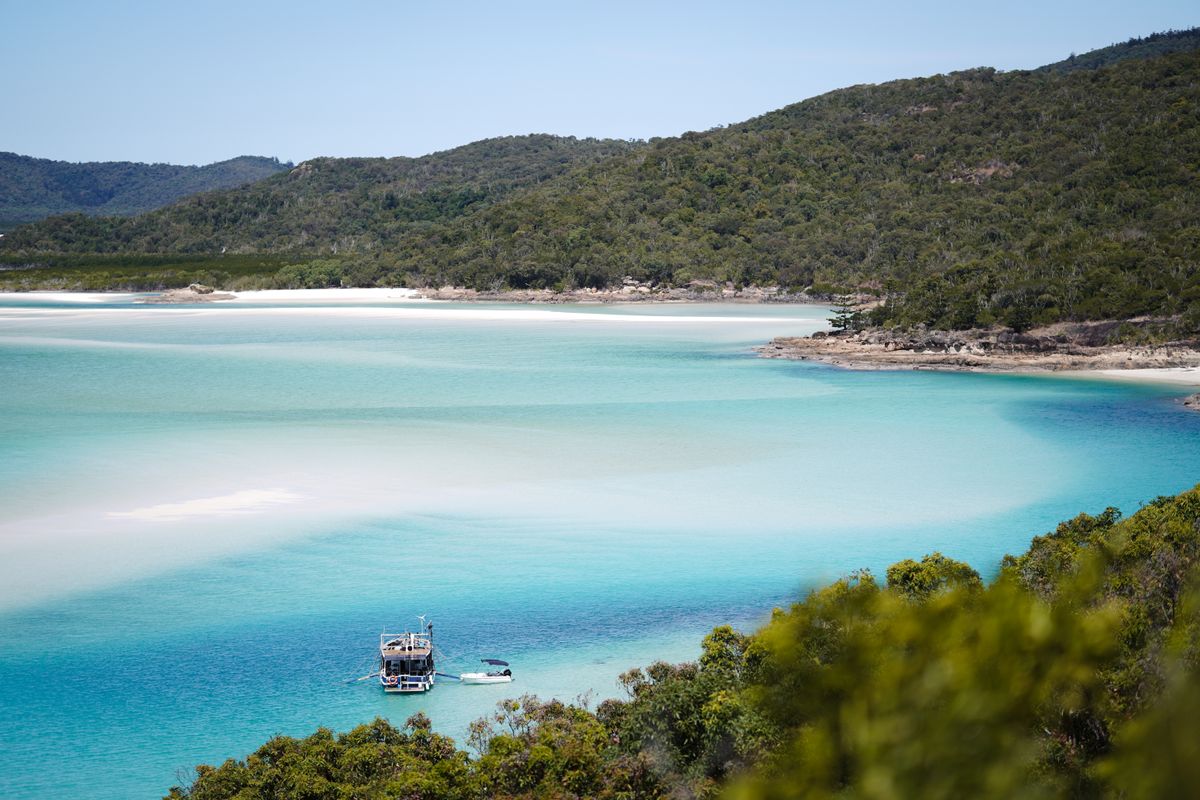
Australia is often called an island continent. Its best-known islands sit along the Great Barrier Reef, the world's largest reef system, where you can stay on tropical islands like Lizard Island and Hamilton Island, surrounded by turquoise water (Tourism Australia: Great Barrier Reef). Hamilton Island is in the Whitsundays, home to Whitehaven Beach.
- Getting there: Cairns Airport has international and domestic flights, and Hamilton Island Airport takes domestic flights straight into the Whitsundays.
- Entry: you need a visa to visit Australia. British citizens can usually get an eVisitor visa or an Electronic Travel Authority (ETA) through the official app (GOV.UK: Australia entry requirements, Home Affairs: ETA). Don't book travel until your ETA is granted.
2. New Zealand
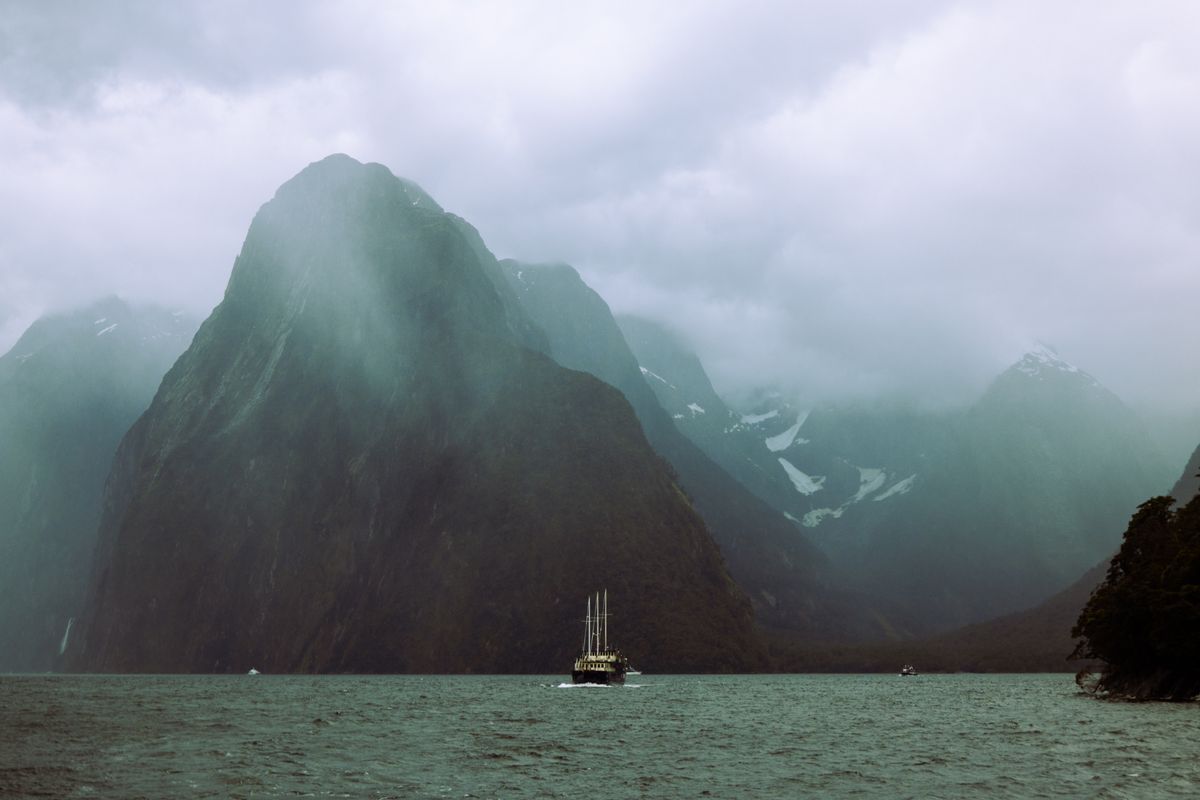
New Zealand is made up of two main islands, the North Island and the South Island, plus many smaller ones. One of its classic walks is the Tongariro Alpine Crossing on the North Island. Tongariro National Park is a dual World Heritage area, listed for both its nature and its cultural meaning to Ngāti Tūwharetoa. Weather on the crossing changes fast, so bring warm layers (DOC: Tongariro Alpine Crossing).
- Entry: visitors from visa waiver countries, such as the UK, don't need a visa for short stays but do need a New Zealand Electronic Travel Authority (NZeTA) before they travel. You may also be asked for an onward ticket and proof of funds (GOV.UK: New Zealand entry requirements, Immigration New Zealand: NZeTA).
- Planning tips: see our New Zealand trip guide.
3. Fiji
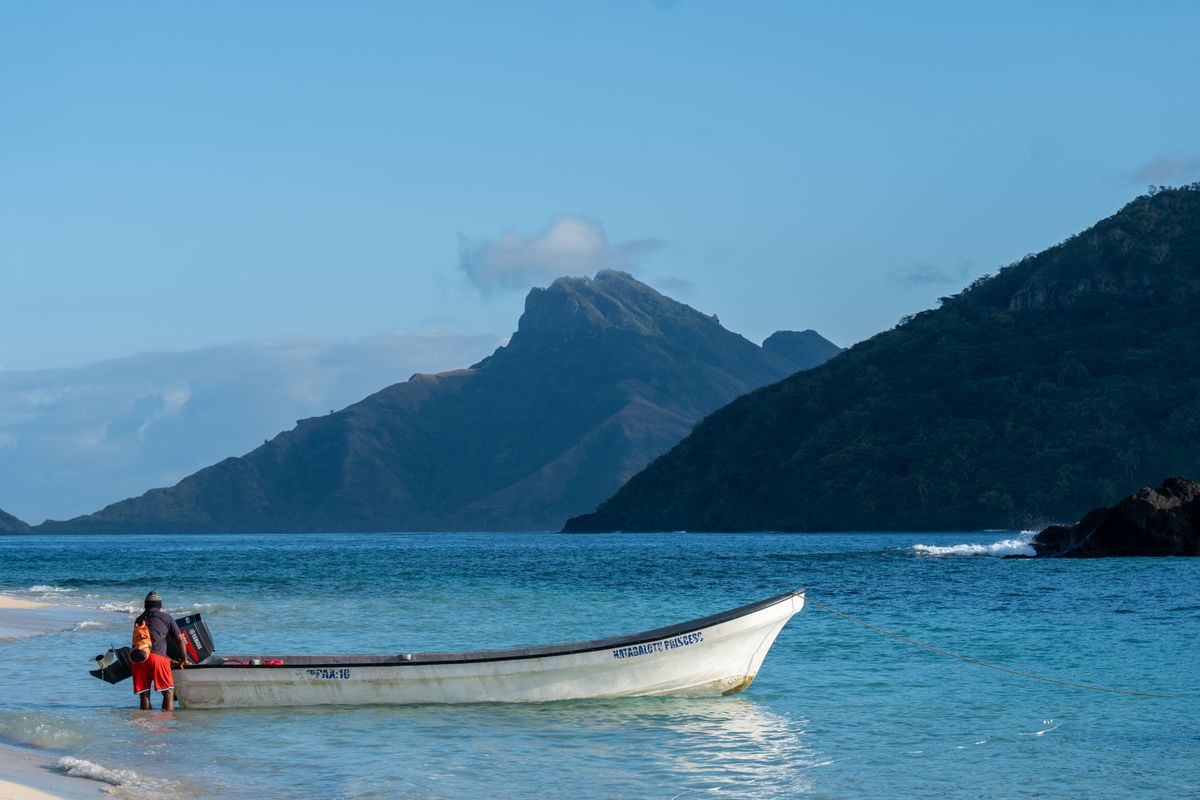
Fiji has more than 333 islands, white sand beaches, clear turquoise water and warm weather all year (Tourism Fiji). It's a classic choice for a beach holiday or a romantic trip, from a resort stay to a picnic on a deserted sand cay.
- Entry: British visitors don't need a visa for stays of up to 4 months, but must show an onward or return ticket (GOV.UK: Fiji entry requirements).
- Diving: ask to see your dive operator's credentials and check that your travel insurance covers diving (GOV.UK: Fiji safety).
4. Samoa
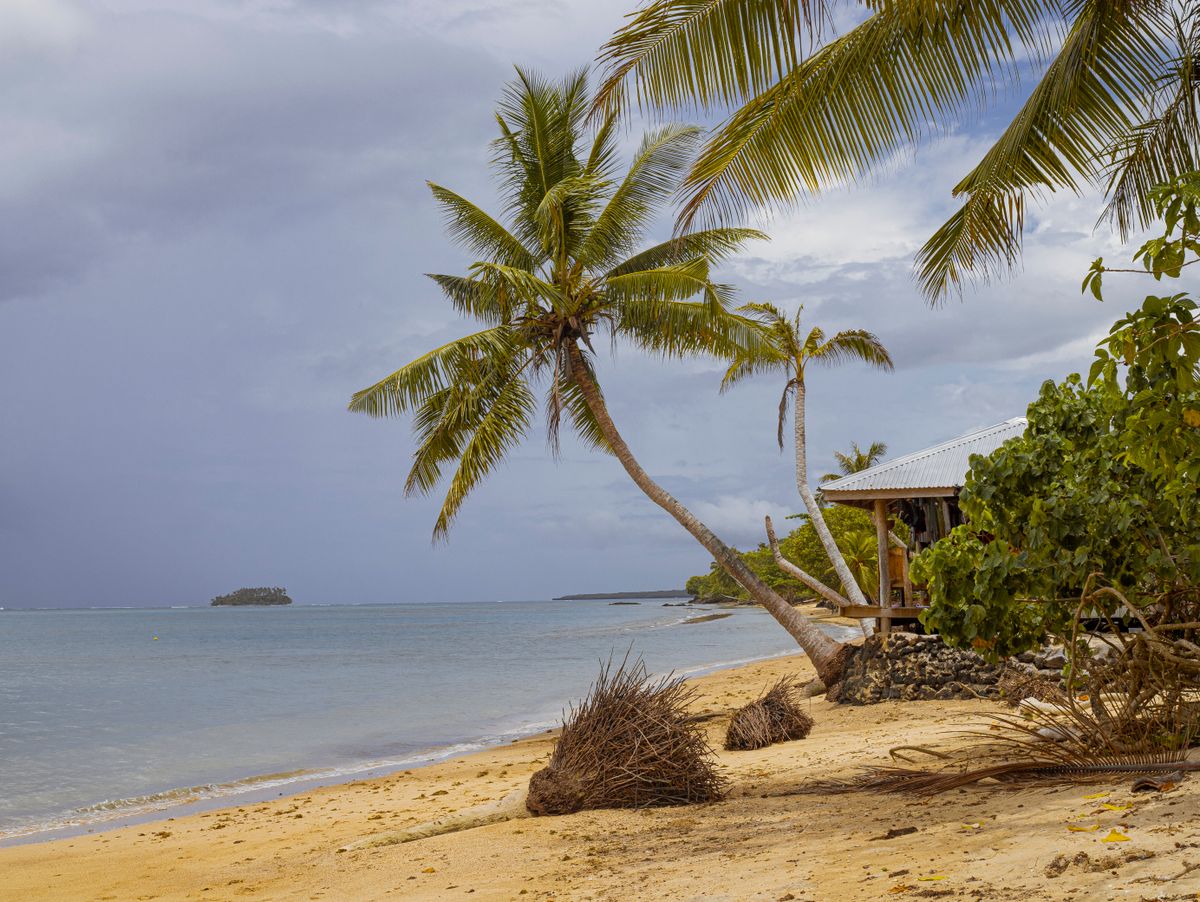
Samoa is an archipelago of 10 Polynesian islands, and only four of them are inhabited. Upolu and Savai'i are the two largest. Upolu is home to the capital, Apia, as well as Lalomanu Beach and the 100-metre Papapapai-Tai Falls, and you take a ferry across to Savai'i (Samoa Tourism Authority: the islands of Samoa). Don't miss the To-Sua Ocean Trench, a huge waterhole you reach by a 30-metre ladder (Samoa Tourism Authority: top 10 things to do).
- Entry: British visitors can stay up to 60 days without a visa. You get a free visitor permit on arrival and may need to show an onward ticket, funds and an accommodation booking (GOV.UK: Samoa entry requirements).
5. Vanuatu
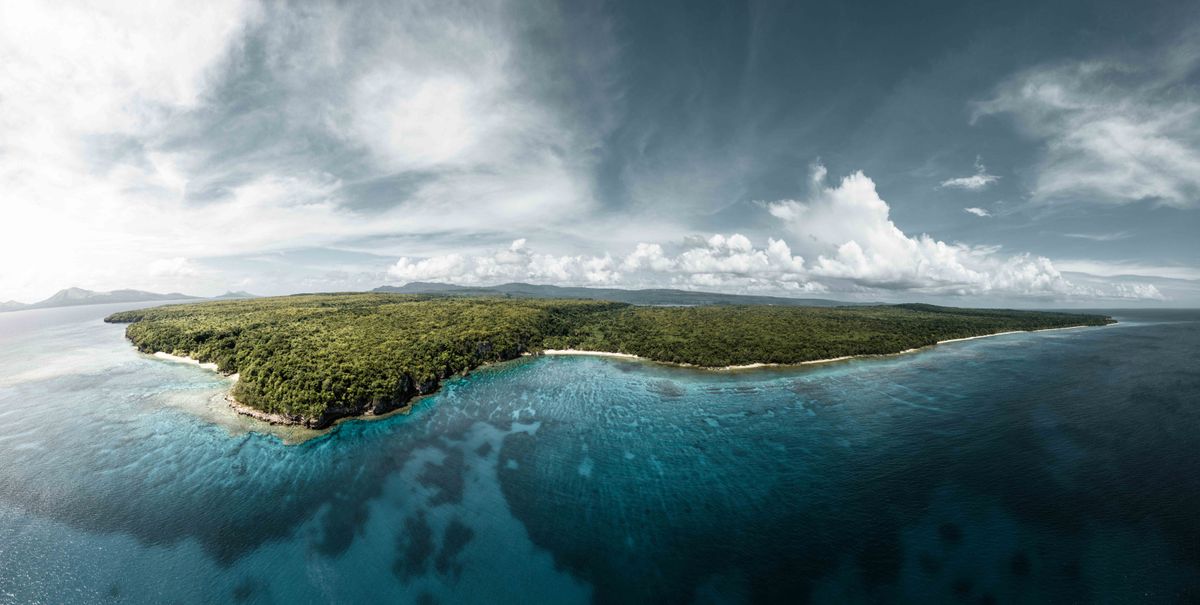
Vanuatu is a chain of about 83 volcanic islands. Visitors come for Mount Yasur volcano on Tanna, the wrecks and Champagne Beach on Espiritu Santo, and day trips around Port Vila on Efate (Vanuatu Tourism Office). Divers can explore the SS President Coolidge, a WWII wreck off Espiritu Santo.
- Good to know: Vanuatu sits on the Pacific "Ring of Fire", and flights to the outer islands can be changed at short notice because of weather or volcanic ash (GOV.UK: Vanuatu safety). Check visa rules with Vanuatu's immigration department before you travel.
6. Solomon Islands
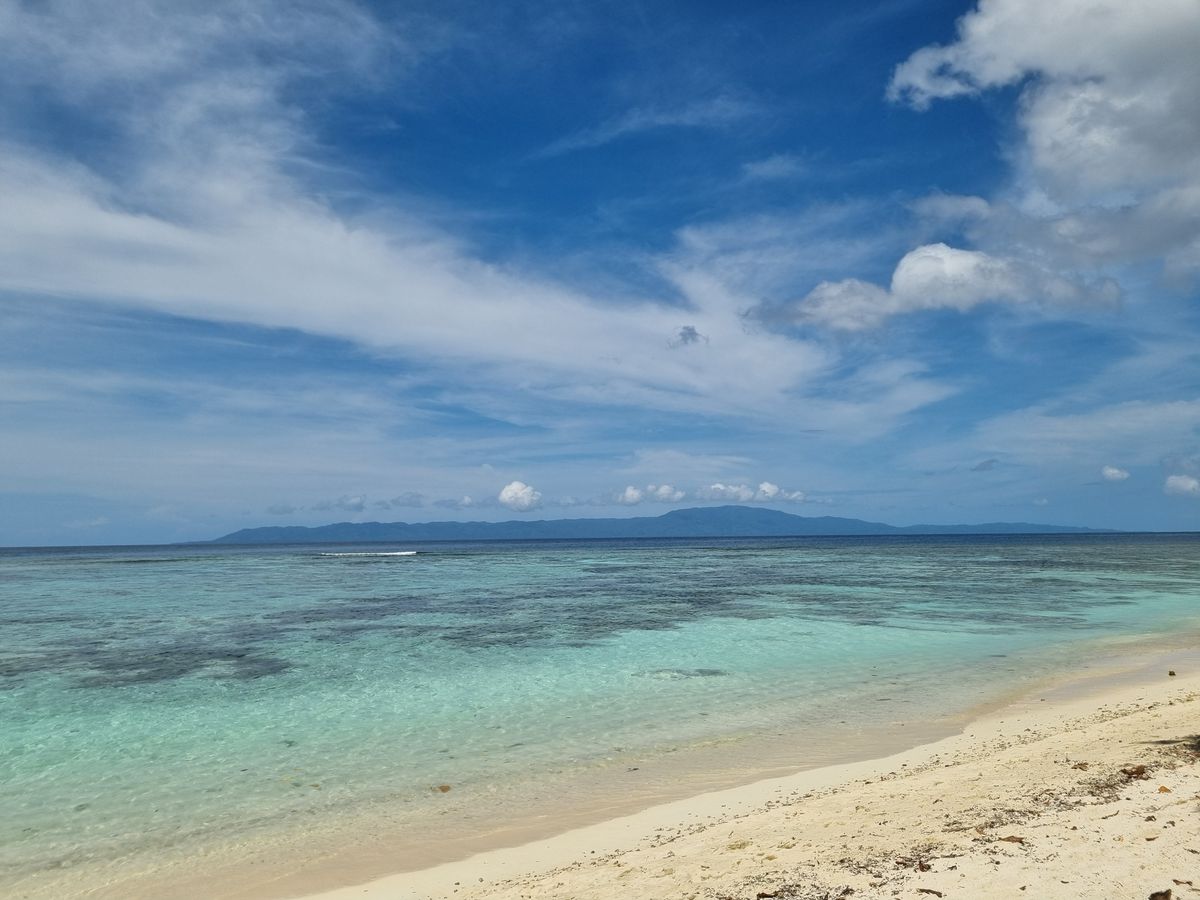
The Solomon Islands are made for divers. Marovo Lagoon is promoted as the largest saltwater lagoon in the world, and many of its islands are uninhabited. The waters off the capital, Honiara, are called Iron Bottom Sound because of the WWII ships and planes on the seabed, and some wrecks are shallow enough to snorkel (Tourism Solomons: under the water).
- Entry: British tourists must apply for a tourist visa through the Solomon Islands online visa portal. Apply well in advance, since the portal has had delays (GOV.UK: Solomon Islands entry requirements).
7. Micronesia (Federated States of Micronesia)
The Federated States of Micronesia is made up of four states, Pohnpei, Chuuk, Yap and Kosrae, and spans more than 600 islands in the northern Pacific (New Zealand MFAT: Federated States of Micronesia). Chuuk is known worldwide for its wreck diving (Chuuk Visitors Bureau).
- Entry: British visitors don't need a visa for stays of 30 days or less. You pay a departure tax when you leave (GOV.UK: Micronesia entry requirements).
8. Tonga
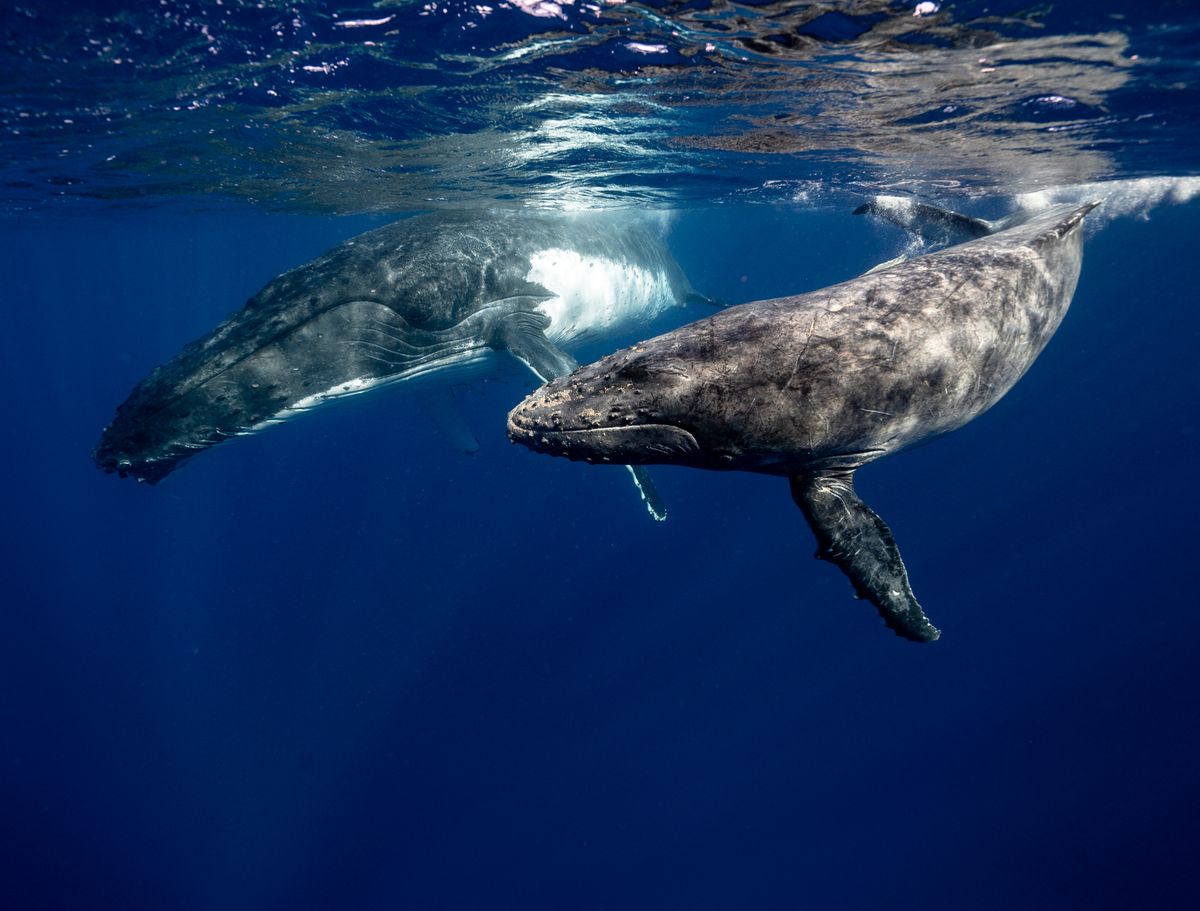
The Kingdom of Tonga is a top spot for whale watching: thousands of whales come to Tonga's waters every year between June and November.
- Swimming with whales: it's illegal to swim or kayak with whales unless you're on a licensed boat with a certified guide, and the fines are heavy (GOV.UK: Tonga safety). Book with a licensed operator.
- Entry: British visitors can stay up to 30 days and get a free visa on arrival (GOV.UK: Tonga entry requirements).
9. Kiribati
Kiribati is a remote Pacific island nation for travellers who want quiet beaches and very few crowds. Its main hub is Tarawa atoll, where the Ministry of Foreign Affairs and Immigration sits in Bairiki and the banks with ATMs are in Betio, Bairiki and Bikenibeu.
- Good to know: very few places take credit cards, so bring cash. Don't swim in the lagoon in South Tarawa, which is highly polluted, and take care with strong rip currents (GOV.UK: Kiribati safety).
- Entry: British visitors can stay up to one month without a visa with an onward ticket, and pay a departure tax at the airport (GOV.UK: Kiribati entry requirements).
10. Guam
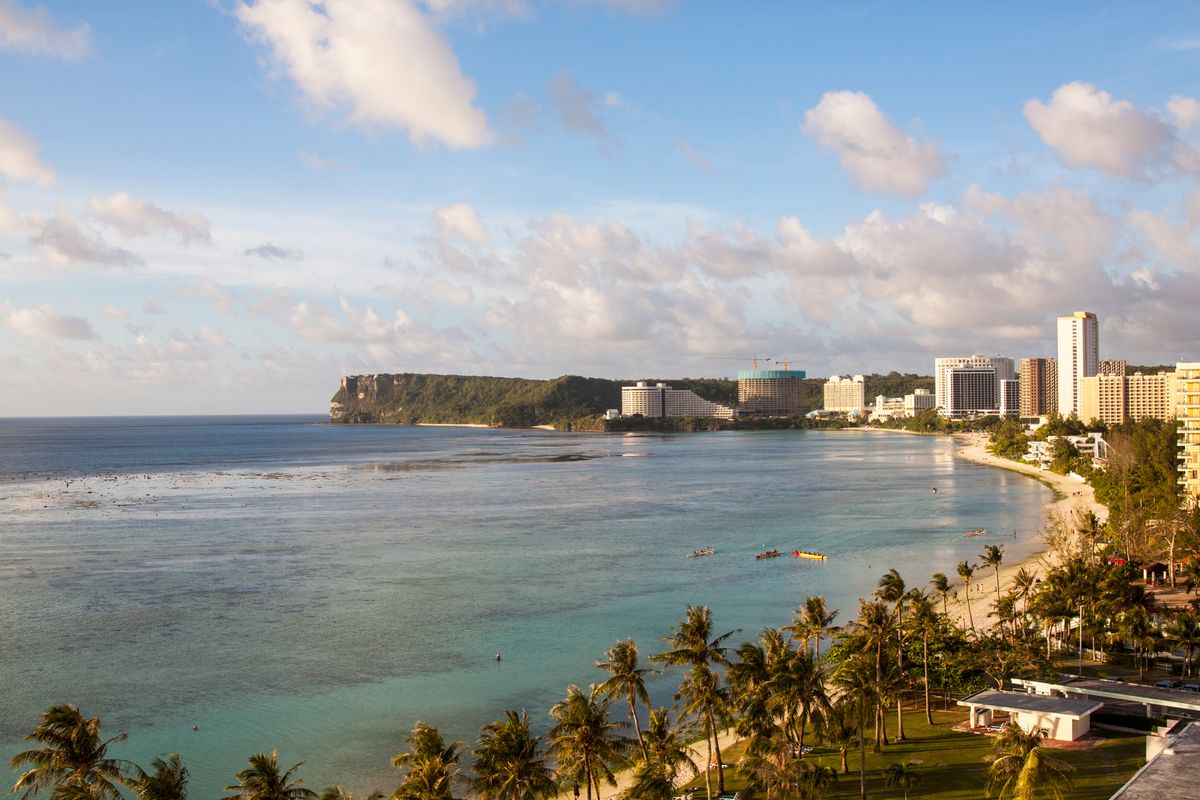
Guam is a US territory in the western Pacific, with sandy beaches, sunsets and a rich CHamoru culture (Guam Visitors Bureau). For history, visit War in the Pacific National Historical Park. Its six units each tell a different part of the story of WWII on Guam, including the landings of July 1944 (NPS: War in the Pacific National Historical Park).
11. Hawaii
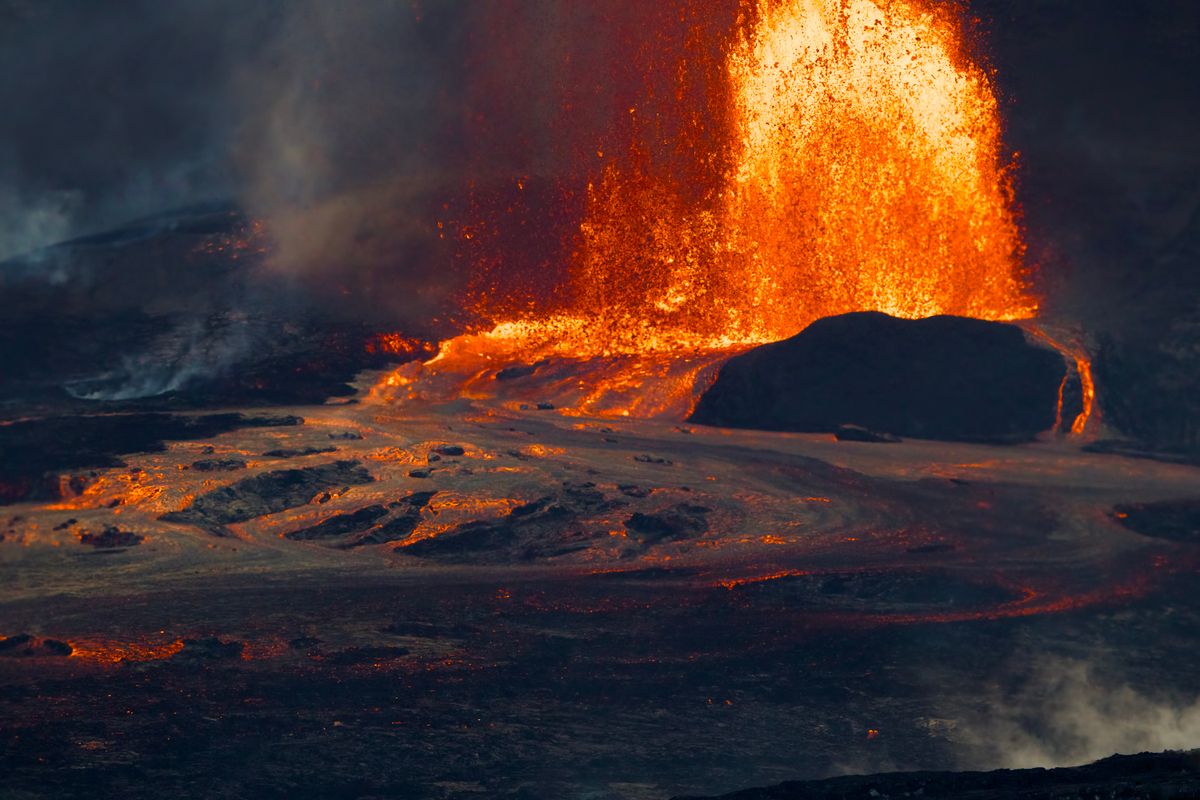
Hawaii is a US state in the middle of the Pacific. Hawaii Volcanoes National Park covers the summits of Kīlauea and Mauna Loa, two of the world's most active volcanoes, and is a UNESCO World Heritage site (NPS: Hawaii Volcanoes National Park). On Kauaʻi, the Nāpali Coast and the Kalalau Trail draw hikers. ʻIolani Palace, the State of Hawaiʻi's museum of monarchy history, has been restored with its original furnishings (ʻIolani Palace).
- Book ahead: reservations are required for day and overnight use on the Kalalau Trail and at Hāʻena State Park, and parks can close after storms. Check the latest on Hawaii State Parks before you go (Hawaii State Parks: Nāpali Coast).
12. Norfolk Island
Norfolk Island is a small Australian island in the Pacific, about 2.5 hours' flight from Brisbane or Sydney (Norfolk Island Tourism). Its history runs from the convict buildings of Kingston to the Pitcairn Islanders who later settled there and first lived in those buildings (Parks Australia: Norfolk Island history). In Norfolk Island National Park, the Summit Track runs along the ridge between Mount Pitt and Mount Bates, the island's highest points (Parks Australia: Norfolk Island walks). Families can jump off the raft in Emily Bay and explore the tide pools.
13. Tuvalu
Tuvalu is a remote Pacific island nation of coral atolls. The capital, Funafuti, is a tiny atoll with the international airport. The Funafuti Conservation Area protects 33 km² of reef, lagoon and islets on the west side of the atoll, where green sea turtles nest (Tuvalu Tourism: Funafuti Conservation Area). Come for diving, snorkelling, island tours and a very slow pace of life.
- Entry: British visitors can stay up to one month without a visa (GOV.UK: Tuvalu entry requirements).
14. Palau
Palau is a Pacific island nation of more than 300 islands, and one of the world's top dive destinations (Palau Visitors Authority). Its best-known sight is the Rock Islands: mushroom-shaped, mostly uninhabited islets in a lagoon protected by reefs, with one of the world's greatest concentrations of coral and marine life (Palau Visitors Authority: nature). Divers head for sites like Blue Corner, and Peleliu island keeps many reminders of the WWII battle fought there.
- Entry: British visitors get a 30-day tourist visa on arrival. You must sign the Palau Pledge, which is stamped in your passport, and fill in the Palau entry form within 72 hours of arrival (GOV.UK: Palau entry requirements).
Entry rules above are for British passport holders. If you travel on another passport, check your own government's advice before you book.
Staying connected on Oceania's islands
Expect big differences between islands. Mobile coverage is usually best in cities and main towns. On small Pacific islands, outer atolls, boats and hiking trails, signal can be weak or missing. A few tips:
- Download offline maps before you leave Wi-Fi (Google Maps: download areas offline).
- Save your visas, ETAs, bookings and tickets on your phone, so you can show them without signal.
- Bring some cash for the smaller islands, where card payments aren't always possible.
Before you fly: install your eSIM on Wi-Fi
- Check your phone. It must support eSIM and be unlocked. Here's how to check eSIM compatibility.
- Install the eSIM at home on Wi-Fi by scanning the QR code. Step by step: how to install an eSIM.
When you land: switch on the right settings
- Choose the travel eSIM for mobile data. On iPhone, go to Settings > Cellular > Cellular Data and pick the travel line (Apple: use eSIM while traveling).
- Turn on Data Roaming for the travel eSIM. If you keep your home line on, you might still get roaming charges from your home carrier. More on data roaming.
Visiting Australia and New Zealand on one trip? The SimOptions Oceania eSIM covers both countries on one plan, valid for 30 days. Only going to Fiji? A Fiji plan does the job. All of these are data-only, and they activate when you arrive in a covered country.
Oceania 10GB, Oceania 20GB and Fiji 10GB shown · data-only eSIMs, no phone number · the Oceania plan covers Australia and New Zealand only · for other islands see the Vanuatu eSIM, Tonga eSIM, Guam eSIM and, for Hawaii, the USA eSIM · Find the eSIM for your destination
FAQs
What are the main islands in Oceania?
The biggest are Australia and New Zealand's North and South Islands. Beyond them, Oceania's best-known islands and island nations include Fiji, Samoa, Vanuatu, the Solomon Islands, Tonga, Tuvalu, Kiribati, Palau, the Federated States of Micronesia, Guam and Hawaii.
How many islands are in Oceania?
Thousands. Fiji alone has more than 333 islands, Palau more than 300 and the Federated States of Micronesia more than 600, and that's before you count the islands of Australia, New Zealand, Vanuatu, the Solomon Islands and the rest of the Pacific.
What is the best island to visit in Oceania?
It depends on your trip. For easy beach holidays, Fiji is hard to beat. For wreck diving, try the Solomon Islands, Chuuk in Micronesia or Palau. For volcanoes, go to Vanuatu or Hawaii. To swim with humpback whales, plan Tonga between June and November with a licensed operator.
Is Hawaii part of Oceania?
Geographically, Hawaii is a group of Pacific islands and is often counted as part of Oceania. Politically, it's a US state, so US entry rules apply and a USA eSIM covers it.
Do I need a visa for the Pacific islands?
It depends on your passport and the country. For British visitors, Fiji, Samoa, Tonga, Palau, Kiribati, Tuvalu and Micronesia allow short stays without a visa arranged in advance, the Solomon Islands need an online tourist visa, Australia needs an eVisitor or ETA and New Zealand needs an NZeTA. Check your own government's advice before you book.
Does one eSIM work across Oceania?
Not across all of it. The SimOptions Oceania plan covers Australia and New Zealand. Fiji, Vanuatu, Tonga, Guam and the USA (for Hawaii) have their own plans. For the smaller island nations, check our destinations before you go, and plan for Wi-Fi where no plan is available.
Should I install my travel eSIM before I fly?
Yes. Install it at home on Wi-Fi. When you land, choose it for mobile data and turn on Data Roaming for that line.