
To plan a trip to New Zealand, start with the paperwork: most visitors who do not need a visa must get an NZeTA before they fly and fill in the free New Zealand Traveller Declaration. Then split your time between the North Island (Auckland, Hobbiton, Tongariro, Wellington) and the South Island (Abel Tasman, Queenstown, Aoraki/Mount Cook, Milford Sound). A rental car or campervan is the most flexible way to get around, and a New Zealand eSIM gives you mobile data for maps and bookings from the moment you land.
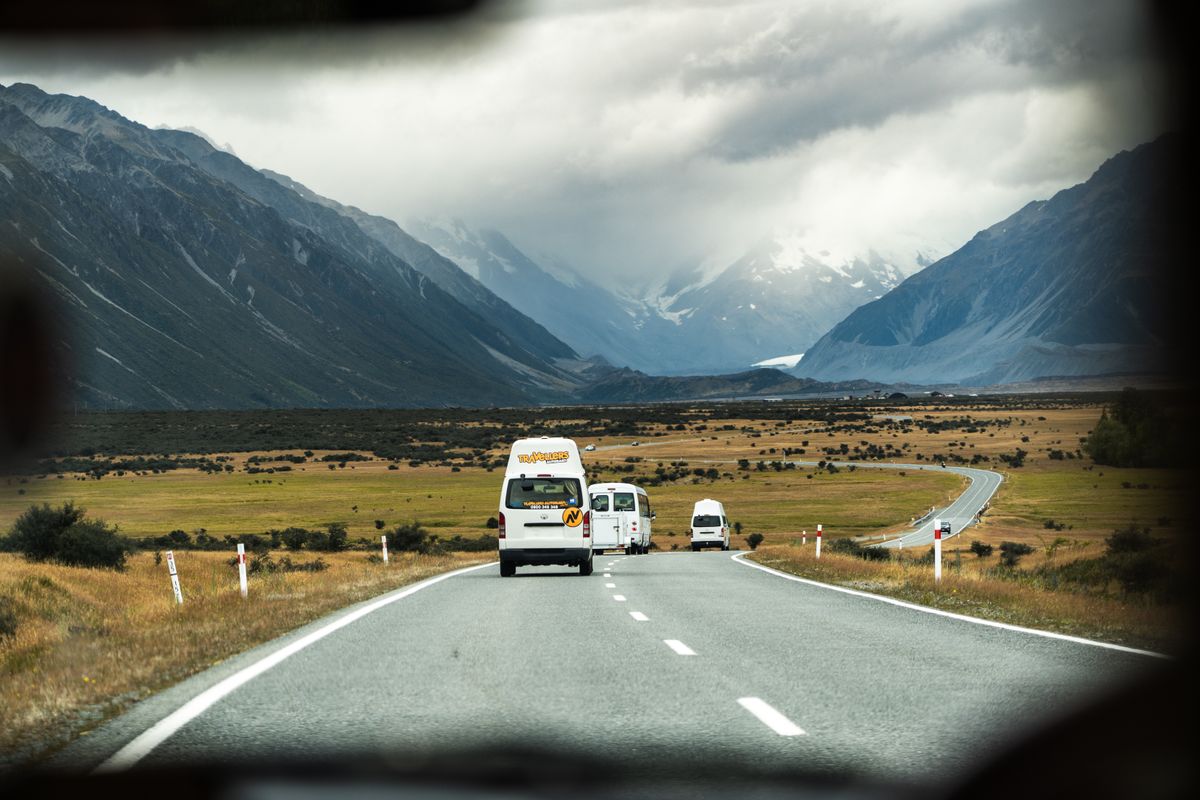
Before You Go: Entry Rules for New Zealand
NZeTA or visa
If you are a citizen of a visa waiver country, you can visit New Zealand without a visa, but you need an NZeTA (New Zealand Electronic Travel Authority) before you travel. According to Immigration New Zealand, it costs from NZD $17, you should allow 72 hours for processing, and it is valid for 2 years. It lets you stay up to 3 months per visit, or up to 6 months if you travel on a UK passport. When you request it, you also pay the International Visitor Conservation and Tourism Levy, as the UK government's travel advice explains. Australian citizens do not need an NZeTA. Other nationalities may need a visa, so check your passport with the official tool on the Immigration New Zealand site, and use only the official NZeTA website or app.
What to show at the border
Immigration New Zealand says visitors must have enough money for their stay: at least NZD $1,000 a month, or NZD $400 a month if your accommodation is already paid for. You may also be asked for proof of a return or onward ticket. UK travel advice says your passport must be valid for at least 3 months after the day you plan to leave New Zealand. If you hold another passport, check the rules for it on the official pages.
Traveller Declaration and biosecurity
Everyone travelling into New Zealand must complete the New Zealand Traveller Declaration, including babies and children. It is free, you can do it online or in the NZTD app, and if you fly in, the earliest you can submit it is 24 hours before you start your trip. New Zealand is strict about food, plants and other risk items. If in doubt, declare them or use the bins at the airport: the UK travel advice warns of fines of up to NZD $100,000 or a prison sentence for breaking the rules.
New to visas and travel permits? Our guide to understanding visa requirements explains the basics.
Best Time to Visit New Zealand
New Zealand is in the southern hemisphere, so its seasons are the opposite of Europe and North America. The national climate agency NIWA says the warmest month is usually January or February and the coldest is usually July. Mean annual temperatures range from 10°C in the south to 16°C in the north, and most areas get rain spread throughout the year.
- Summer (December to February): The warmest time for beaches, hiking and road trips, and the busiest. NIWA notes the midday summer UV index is often very high, so pack sunscreen and a hat.
- Autumn (March to May) and spring (September to November): Milder weather and fewer crowds, a good choice for driving and walking. UV levels can still be high.
- Winter (June to August): Most snow falls in the mountains, which is good news for skiers in places like Queenstown. Alpine walks get harder: on the Tongariro Alpine Crossing, the Department of Conservation warns of snow, ice and avalanche risk from May to October.
Where to Go on the North Island
Auckland
Auckland makes an easy first stop. The city is dotted with volcanic cones, and its official visitor site aucklandnz.com lists volcanoes you can walk up, regional parks and islands in the Hauraki Gulf such as Waiheke Island. Spend a day or two here to get over the jet lag before you pick up a car.
Hobbiton Movie Set

The film set from The Lord of the Rings and The Hobbit is near Matamata, with tours leaving from The Shire's Rest at 501 Buckland Road, Hinuera. Visits are by tour, so check times and tickets on the official Hobbiton tours site.
Tongariro National Park
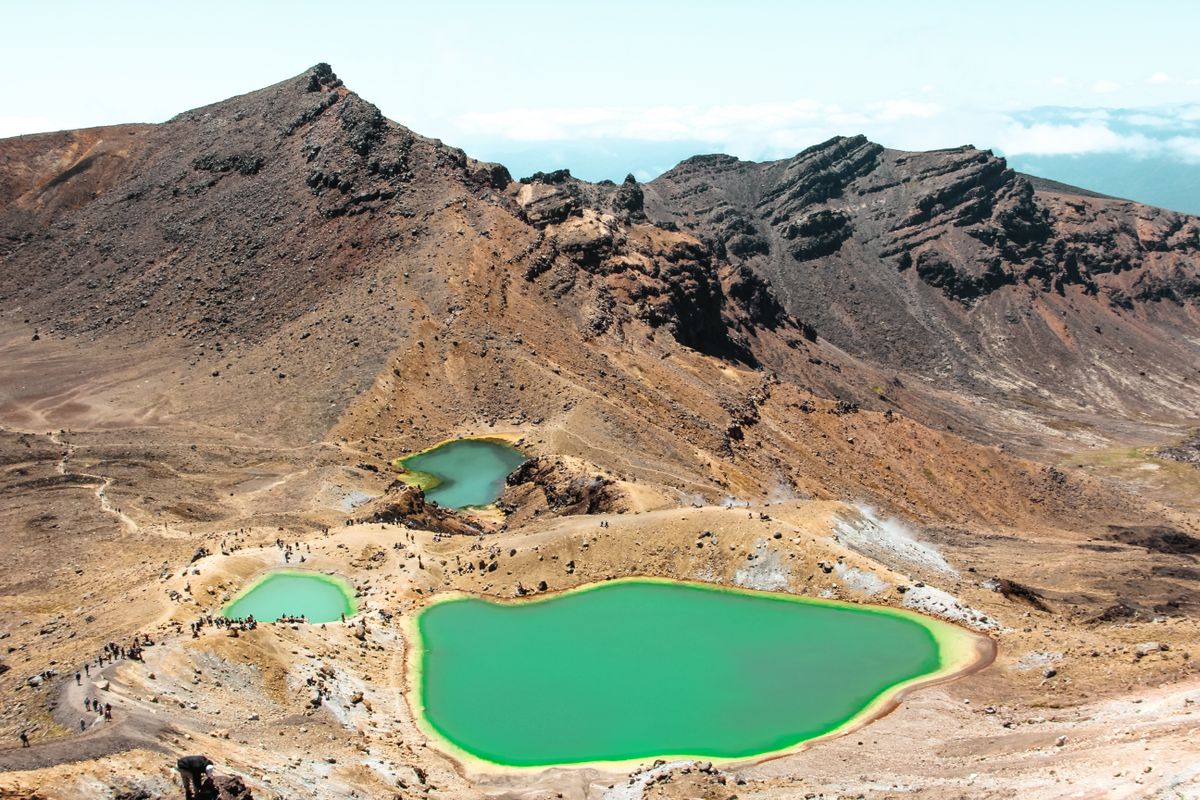
Tongariro is New Zealand's oldest national park and a dual World Heritage area, recognised for its Māori cultural and spiritual associations and its volcanic features. It is a 4 to 5 hour drive from both Auckland and Wellington. Its best known hike, the Tongariro Alpine Crossing, is 20.2 km one way and takes about 7 to 8 hours from November to April. Parking at the road ends is limited, so the Department of Conservation suggests booking a shuttle.
Wellington
The capital is the place to learn about the country. Te Papa, the Museum of New Zealand, is open every day from 10am to 6pm except Christmas Day. Entry is free for people living in New Zealand, while international visitors aged 16 and over pay NZ$35. Wellington is also where the ferries to the South Island leave from.
Where to Go on the South Island
Abel Tasman National Park
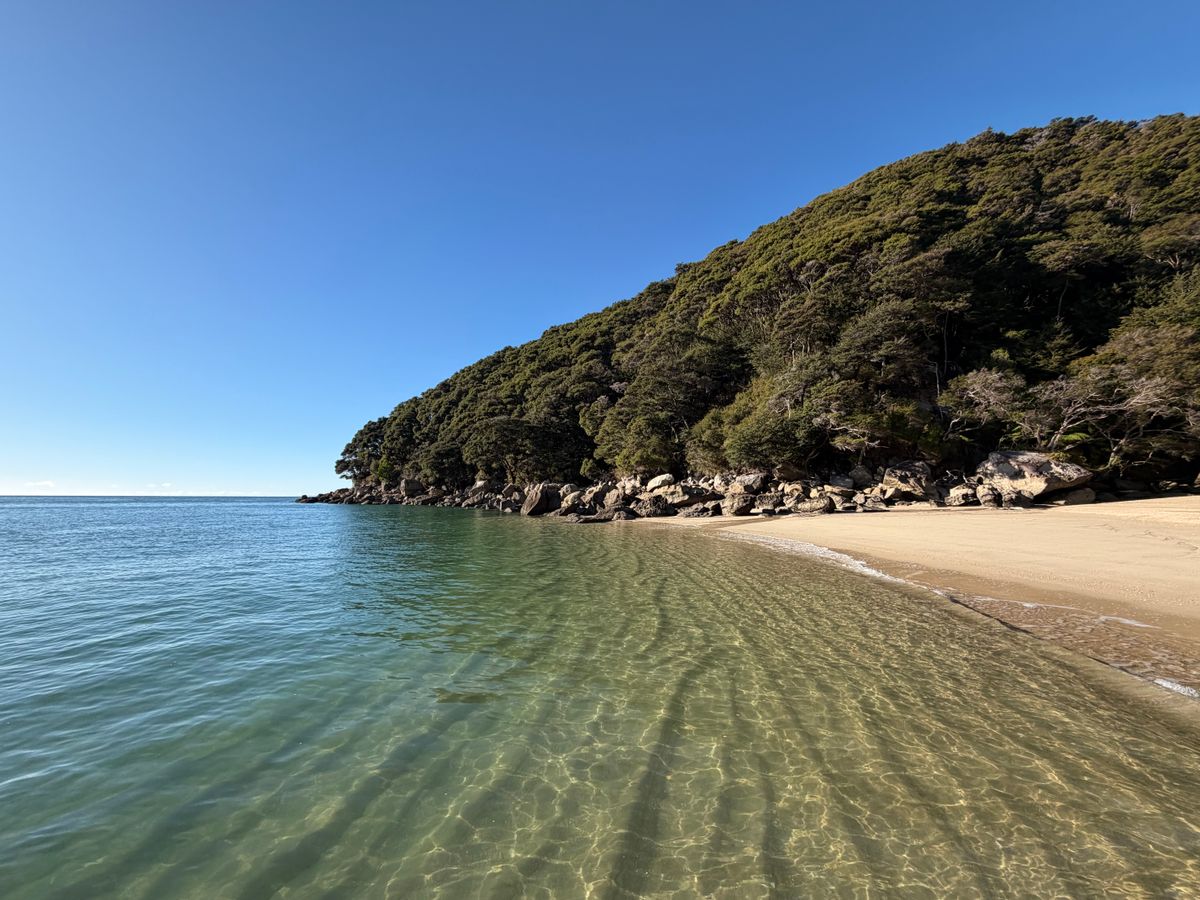
At the top of the South Island, Abel Tasman is New Zealand's smallest national park, known for golden beaches, granite cliffs and its coast track. The nearest towns are Motueka, Takaka and Kaiteriteri, and the road ends at Marahau and Totaranui are 1.5 and 2.5 hours from Nelson. Water taxis and buses connect the park with the local towns.
Aoraki/Mount Cook National Park
Aoraki/Mount Cook National Park has 19 peaks over 3,000 metres, including New Zealand's highest mountain. With no towns nearby, it is also one of the best places in the country to look at the night sky.
Queenstown
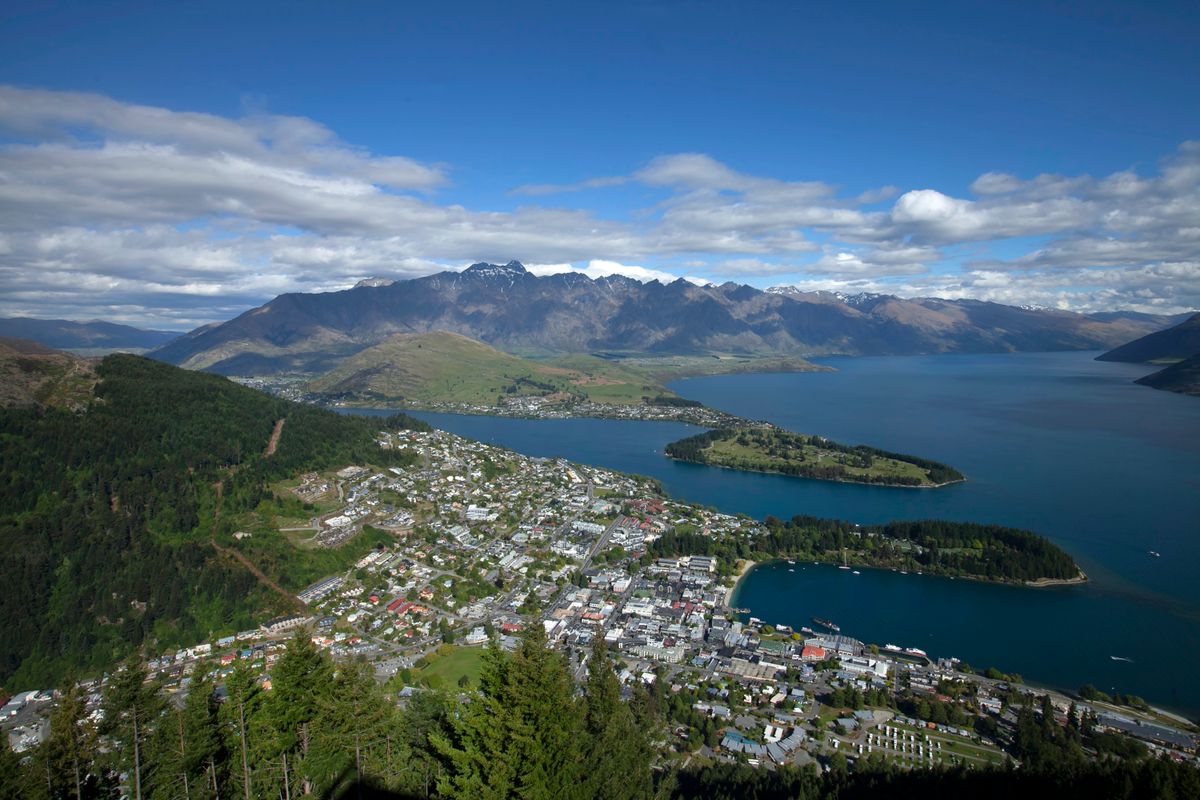
Queenstown sits on Lake Wakatipu among alpine landscapes. It is the South Island's adventure base: the official visitor site queenstownnz.co.nz lists bungy, swings and zip lines, jet boats, scenic flights, biking, hiking and, in winter, skiing and snowboarding.
Fiordland and Milford Sound
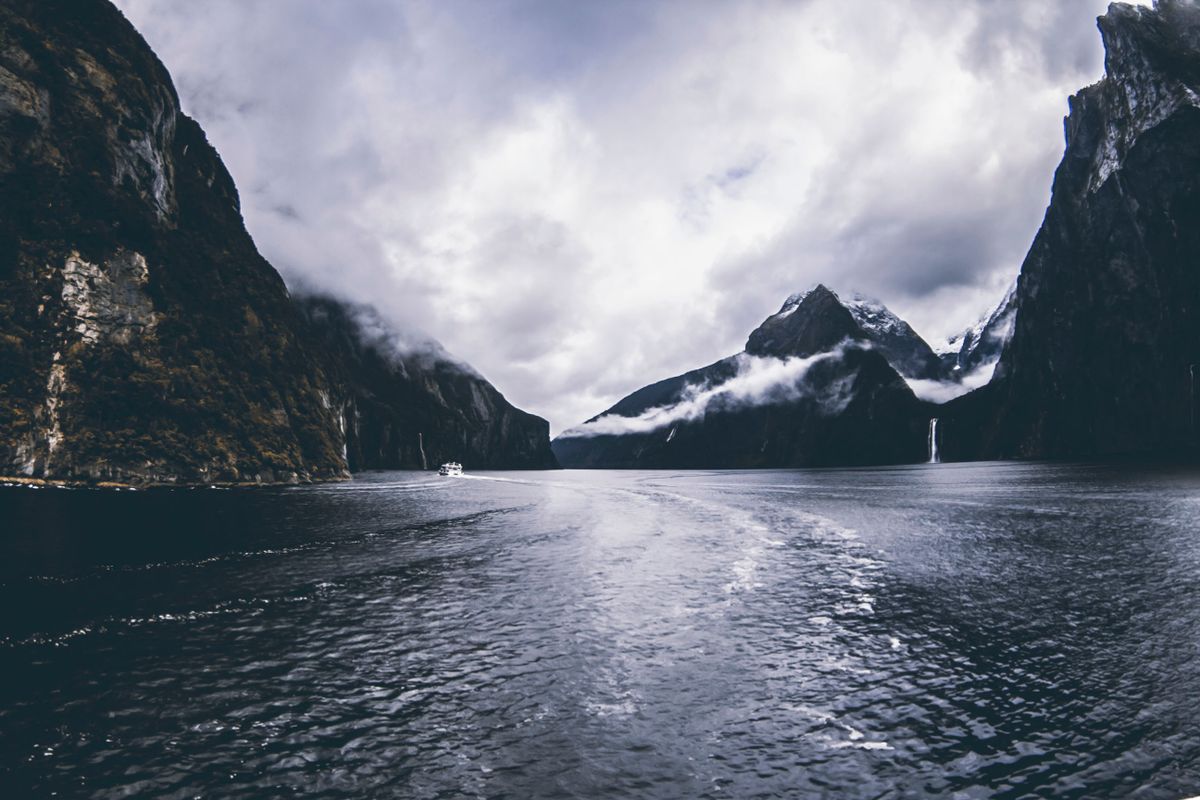
Fiordland National Park is a land of ice-carved fiords, lakes and valleys. Te Anau is the closest town with facilities, and the Milford Road to Milford Sound is one of New Zealand's most scenic drives. The park also includes Doubtful Sound, another majestic fiord.
How to Get Around New Zealand
- Rental car or campervan: The most flexible way to see both islands. UK travel advice notes that highways can be narrow, winding and hilly, so plan shorter driving days than the map suggests and read the official Road Code before you go. A UK photocard licence can be used for up to 18 months; drivers with other licences should check the rules from NZ Transport Agency Waka Kotahi.
- Ferry between the islands: The Interislander sails between Wellington and Picton every day with passengers and cars, and Bluebridge runs the same route. Check timetables and fares on their sites before you go.
- Domestic flights: Useful if your time is short and you want to skip a long drive between regions.
- Buses and shuttles: National buses reach places like Tongariro National Park, and local shuttles serve the trailheads.
Practical Tips for Your New Zealand Trip
- Emergency number: Call 111 for ambulance, fire and police, as listed by the UK government.
- Natural hazards: New Zealand is in a major earthquake zone and there are active volcanoes on the North Island. The UK travel advice recommends learning the "Drop, Cover, Hold" advice and following official warnings.
- Outdoor safety: Weather can turn dangerous quickly in coastal and exposed areas. Check the forecast and track conditions, and leave your plans with someone before a hike.
- Money: The currency is the New Zealand dollar (NZD). To keep card and cash fees low, read how to avoid international ATM fees.
- Apps: Download offline maps and your booking apps before you leave. Our list of must-have travel apps has ideas.
How to Stay Connected in New Zealand
On a New Zealand trip you use mobile data all day: maps on long drives, ferry and tour bookings, weather and track updates, and calls home on WhatsApp. Roaming on your home plan can be expensive, and Wi-Fi is not there when you are on the road. The simplest way to get travel data for New Zealand is a New Zealand eSIM. You install it at home, it connects when you land, and you do not need to look for a SIM card at the airport. The steps are in our eSIM installation guide, and your phone must support eSIM and be unlocked: check our list of eSIM compatible devices.
Pick a plan that lasts as long as your trip. A week in one region needs less data than a three week road trip across both islands with maps, photos and video calls. Planning a longer stay? Learn how to travel the world and get paid for it.
These plans are data only and work across New Zealand. You can still call and text with apps, see how to make calls with a data-only eSIM. Want to compare plans? Read our guide to the best eSIM for New Zealand. If you need a local +64 number, our overview of eSIM providers in New Zealand explains what One NZ, Spark and 2degrees offer visitors.
Visiting Australia on the same trip? An Oceania eSIM covers Australia and New Zealand with one plan.
More on the Australian side of your trip in our best eSIM for Australia guide, and all other regions are on our destinations page.
FAQ
Do I need a visa or NZeTA for New Zealand?
If you are from a visa waiver country, you need an NZeTA instead of a visa. It costs from NZD $17 plus the tourism levy, takes up to 72 hours and is valid for 2 years. Australian citizens do not need one. Check your passport on the Immigration New Zealand website.
When is the best time to visit New Zealand?
December to February is summer and the warmest, busiest time. Spring and autumn are milder and quieter, and June to August is best for skiing. Pack layers whenever you go, as the weather can change quickly.
How many days do I need for New Zealand?
With two weeks you can see the highlights of one island or a fast tour of both. To drive both islands at an easy pace, plan three weeks or more, or fly between them to save time.
Should I rent a car in New Zealand?
A car or campervan gives you the most freedom, especially on the South Island. Roads can be narrow and winding, so plan short driving days. Without a car, you can combine buses, shuttles, ferries and domestic flights.
Can I buy a SIM card at the airport in New Zealand?
You can, but you do not need to. With a New Zealand eSIM you buy and install your data plan before you fly, so you are online as soon as you land, without queueing for a SIM card.