
To plan a trip to the UK, check first whether you need an ETA (£20) or a visa, then pick your nations: England for London and Stonehenge, Scotland for Edinburgh and the Highlands, Wales for Eryri and its castles, and Northern Ireland for Belfast and the Giant's Causeway. Trains link the main cities, the currency is the pound sterling, and a UK eSIM keeps you online from the moment you land. Below you get the entry rules, where to go, when to travel, how to get around and how to stay connected.
Entry Rules: ETA or Visa
The United Kingdom is made up of four nations: England, Scotland, Wales and Northern Ireland. One set of entry rules covers all four, and what you need depends on your passport.
- ETA: Most visitors from Europe, the USA, Canada, Australia and certain other countries need an electronic travel authorisation (ETA) rather than a visa. It costs £20, lets you visit for up to 6 months, and lasts 2 years or until your passport expires, whichever is sooner.
- Every traveller: Each person needs their own ETA, including babies and children. You apply online or in the official UK ETA app.
- Timing: You usually get a decision by email within a day, but it can take up to 3 working days, and you must wait for approval before you travel.
- Visa: Other nationalities need a Standard Visitor visa, which costs £135 for a stay of up to 6 months.
- No ETA needed: British and Irish passport holders, and people who already have permission to live, work or study in the UK.
Use the official GOV.UK visa checker for your passport. Other websites may charge more for the same ETA, so apply only through GOV.UK or the official app.
Where to Go in England
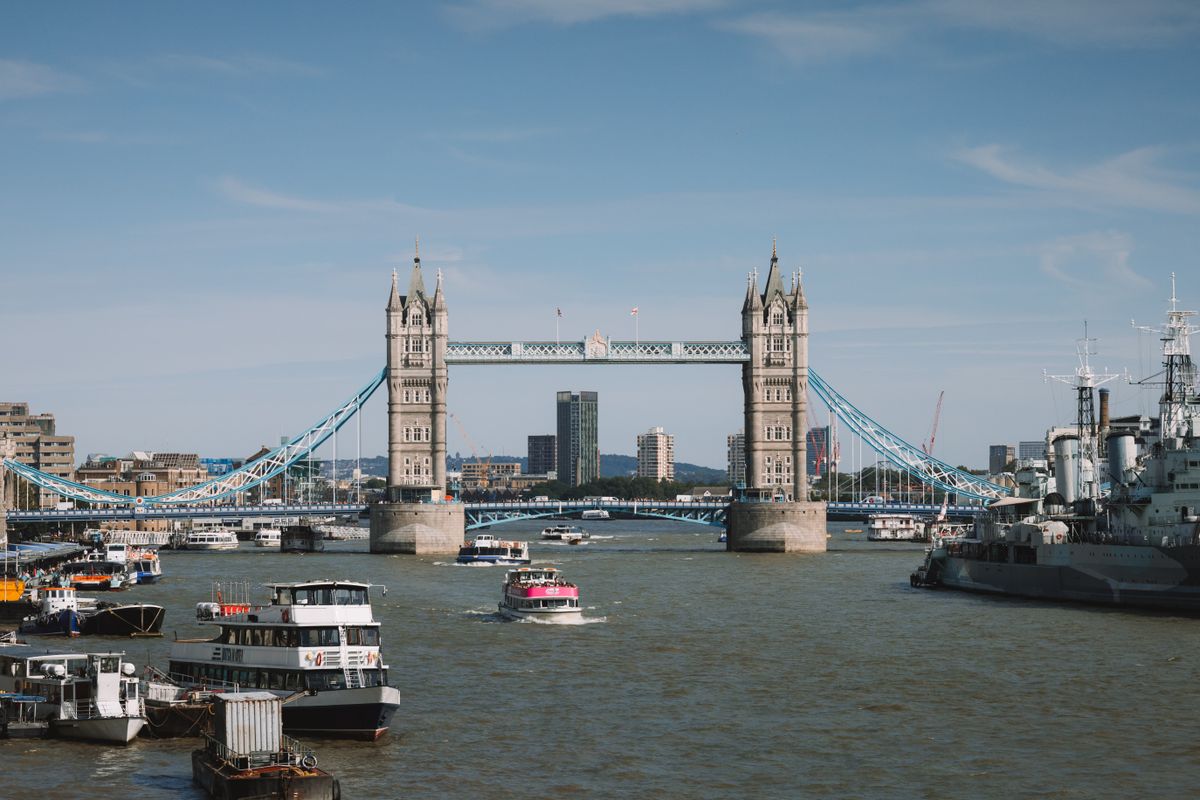
Most trips start in London, and it deserves several days. Outside the capital, England is easy to explore by train.
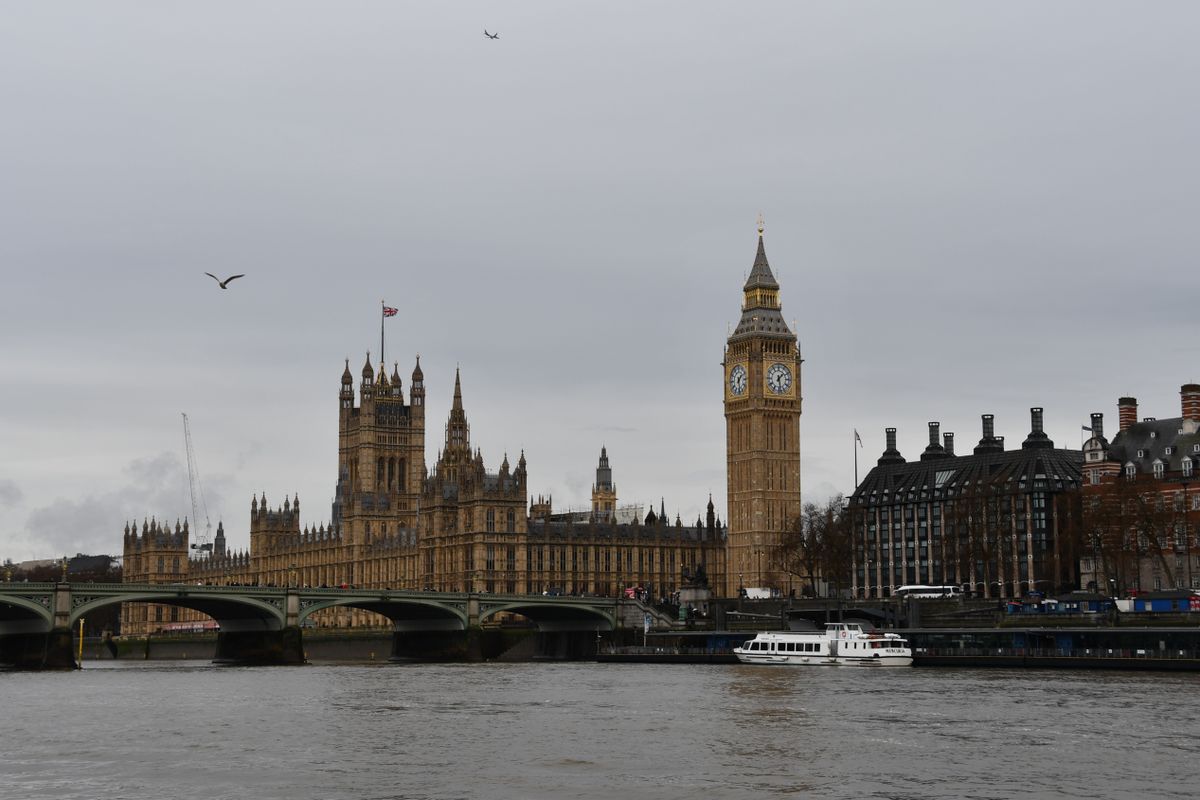
- London: See Big Ben and the Houses of Parliament, walk across Tower Bridge, and spend a few hours at the British Museum.
- Stonehenge: The prehistoric stone circle near Amesbury in Wiltshire is a World Heritage Site. English Heritage asks you to pre-book, and booking early can save you up to 15%.
- Beyond London: Historic cities and green countryside are a short train ride away, so a day trip is an easy way to see more of England.
Where to Go in Scotland

- Edinburgh Castle: The castle sits on Castle Rock above the city. Highlights include the Royal Palace, the Honours of Scotland, Mons Meg, the Great Hall and the Scottish National War Memorial. Book on the official Edinburgh Castle website.
- Loch Ness: In the Highlands, the loch stretches for about 37 km and reaches 229.8 metres at its deepest point. According to VisitScotland, it holds more water than all the lakes of England and Wales combined. Boat trips leave from Inverness, Fort Augustus and Drumnadrochit, and Urquhart Castle stands on its banks.
Mobile signal can be patchy in remote parts of the Highlands and islands, so download offline maps before you head out. Our guide to the best eSIMs for Scotland covers the Highlands and islands in more detail.
Where to Go in Wales

- Eryri National Park: Also known as Snowdonia, the park in north Wales is known for its mountains, lakes and walking routes. Its best known peak is Yr Wyddfa (Snowdon), at over 3,000 feet the highest mountain in the park. You can hike up or take the Snowdon Mountain Railway. Check routes and ground conditions on the Eryri National Park website before you go.
- Cardiff Castle: In the centre of the capital, the castle holds nearly 2,000 years of history, from a Roman fort and Norman keep to lavish Victorian interiors. See the Cardiff Castle website for tickets and tours.
Where to Go in Northern Ireland
- Titanic Belfast: Built on the site where RMS Titanic was designed and built, it has ten galleries of interactive exhibitions, including a dark ride, an underwater exploration theatre and recreations of the ship's cabins. Opening times and prices are on the Titanic Belfast website.
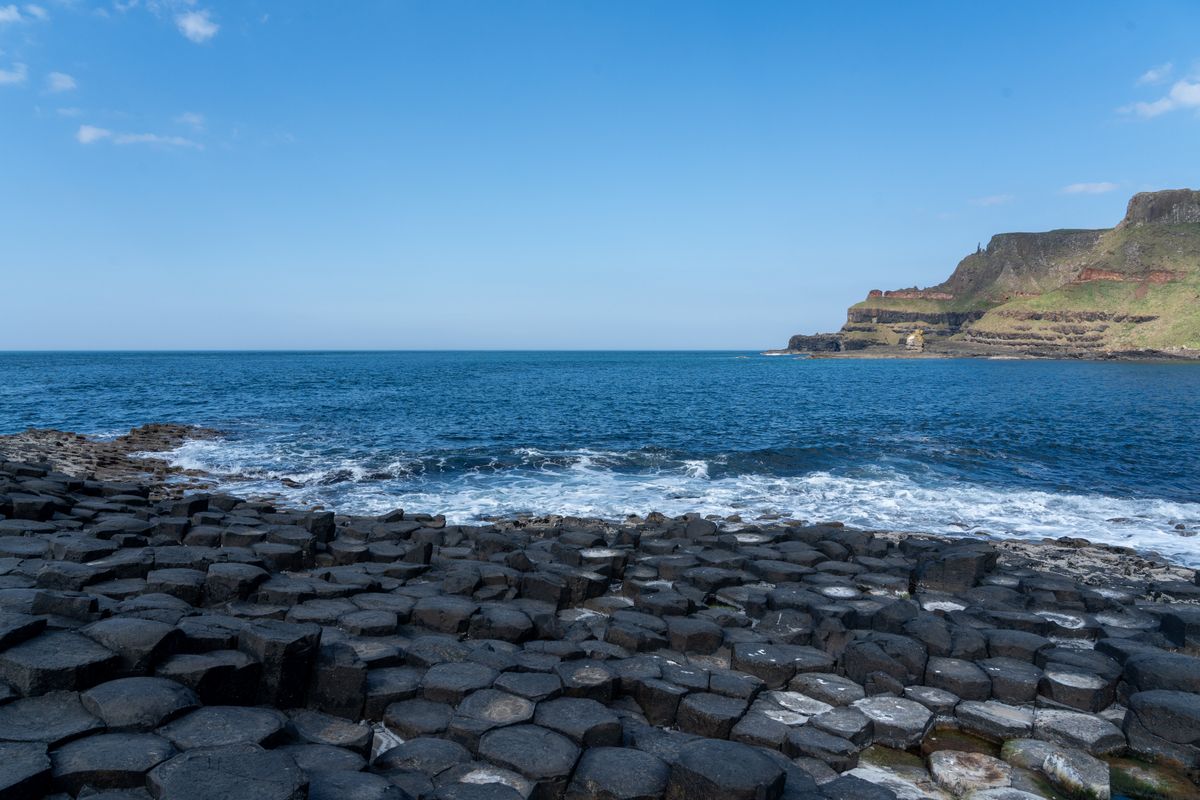
- Giant's Causeway: Northern Ireland's first UNESCO World Heritage Site, on the County Antrim coast. The National Trust runs the visitor experience and says pre-booking is essential.
Planning to cross the border into the Republic of Ireland too? Read our guide to the best eSIMs for Ireland, and check which plan covers both countries before you go.
Best Time to Visit the UK
You can visit the UK all year, but each season feels different:
- Spring (March to May): Parks and gardens come into bloom and the big summer crowds have not arrived yet.
- Summer (June to August): The longest days and the busiest time, especially in London, Edinburgh and the national parks. Book rooms and tickets early.
- Autumn (September to November): Fewer crowds and autumn colours in the countryside, good for cities and walks.
- Winter (December to February): Short days and the lowest visitor numbers. Museums and city sights are a good focus, and mountain routes can be icy.
The weather can change quickly in any season, so pack layers and a rain jacket. The Met Office has climate data for every region if you want to compare places. Planning a bigger trip? Our Canada holiday guide is a good next read.
Getting Around
From the airport
Heathrow is the main international airport for London. The Heathrow Express runs to Paddington every 15 minutes, the Elizabeth line reaches stations such as Bond Street, Farringdon, Liverpool Street and Tottenham Court Road in under 40 minutes, and the Piccadilly line on the London Underground is the cheapest option. You can pay for the Elizabeth line with contactless or Oyster. All options are on the official Heathrow website.
Trains
Trains are the easiest way to travel between cities in England, Scotland and Wales. Timetables, alerts and engineering works are on National Rail. In Northern Ireland, trains and buses are run by Translink.
Driving
A car helps for national parks, the Highlands and the coast, where public transport is limited. Remember that you keep to the left, as set out in the Highway Code. If you hold a non-GB licence, check on GOV.UK whether you can drive with it.
Practical Tips
Money
The currency is the pound sterling (£). The Bank of England issues £5, £10, £20 and £50 notes, with the portrait of King Charles III or Queen Elizabeth II. In Scotland and Northern Ireland you may also get local banknotes. Cards and contactless payments are common, but ask your bank about foreign transaction fees before you go. Our tips on avoiding international ATM fees can help.
Emergencies
Call 999 for life-threatening emergencies. For urgent medical advice that is not an emergency, the NHS runs the 111 service. Keep an eye on your bag in crowded places, and read our tips on staying safe in crowded tourist destinations.
Culture
Polite habits such as waiting your turn in a queue go a long way, and our travel etiquette tips cover more on manners abroad. Next on your list? Our Japan holiday guide helps you plan the trip.
Staying Connected in the UK
You will use your phone for maps, train tickets, museum bookings and your ETA confirmation. The UK's main mobile networks are EE, O2, Vodafone and Three; see our guide to eSIM providers in the UK for how they compare. Roaming on your home plan can get expensive, so a UK eSIM is often the simpler choice.
Install the eSIM at home before you fly, as shown in our eSIM installation guide, and switch it on when you land. Your phone needs to support eSIM and be unlocked, which you can check in our list of eSIM compatible devices. Pick a plan that lasts as long as your trip:
These plans are data-only (5 GB for 7 days, 20 GB for 15 days, 50 GB for 30 days) and work in England, Scotland, Wales and Northern Ireland. More options are on our UK eSIM page and every other country is on our destinations page. Not sure which plan fits? Read our guide to the best eSIMs for the United Kingdom.
Frequently Asked Questions
Do I need an ETA to visit the UK?
Most visitors from Europe, the USA, Canada, Australia and certain other countries need an ETA, which costs £20. Others need a visa, while British and Irish citizens need neither. Check your passport on GOV.UK.
How long can I stay in the UK as a visitor?
You can usually stay for up to 6 months, whether you visit with an ETA or a Standard Visitor visa.
What is the best way to get around the UK?
Trains are the easiest way between cities, and London has the Underground and the Elizabeth line. A car is useful for national parks, the Highlands and the coast.
What currency does the UK use?
The pound sterling (£). Cards and contactless payments are widely used.
Will one eSIM work in England, Scotland, Wales and Northern Ireland?
Yes, a UK eSIM covers all four nations, so you do not need a new plan when you cross from one to another.