
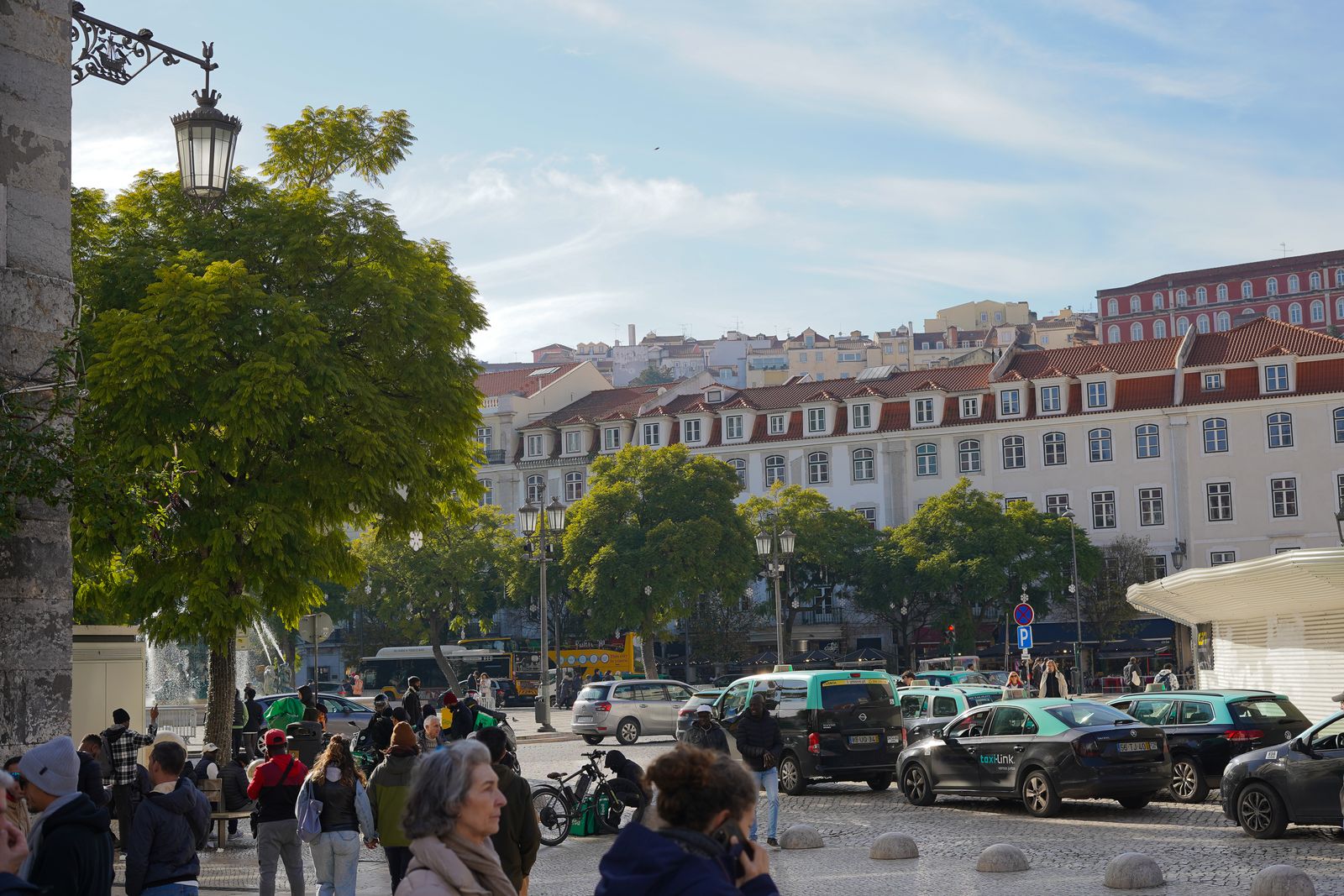
To stay safe in crowded tourist destinations, keep your valuables out of easy reach, stay alert in busy spots, and have a plan if something goes wrong. Most trouble in crowds is petty theft, not danger. A few habits before and during your trip cut the risk a lot.
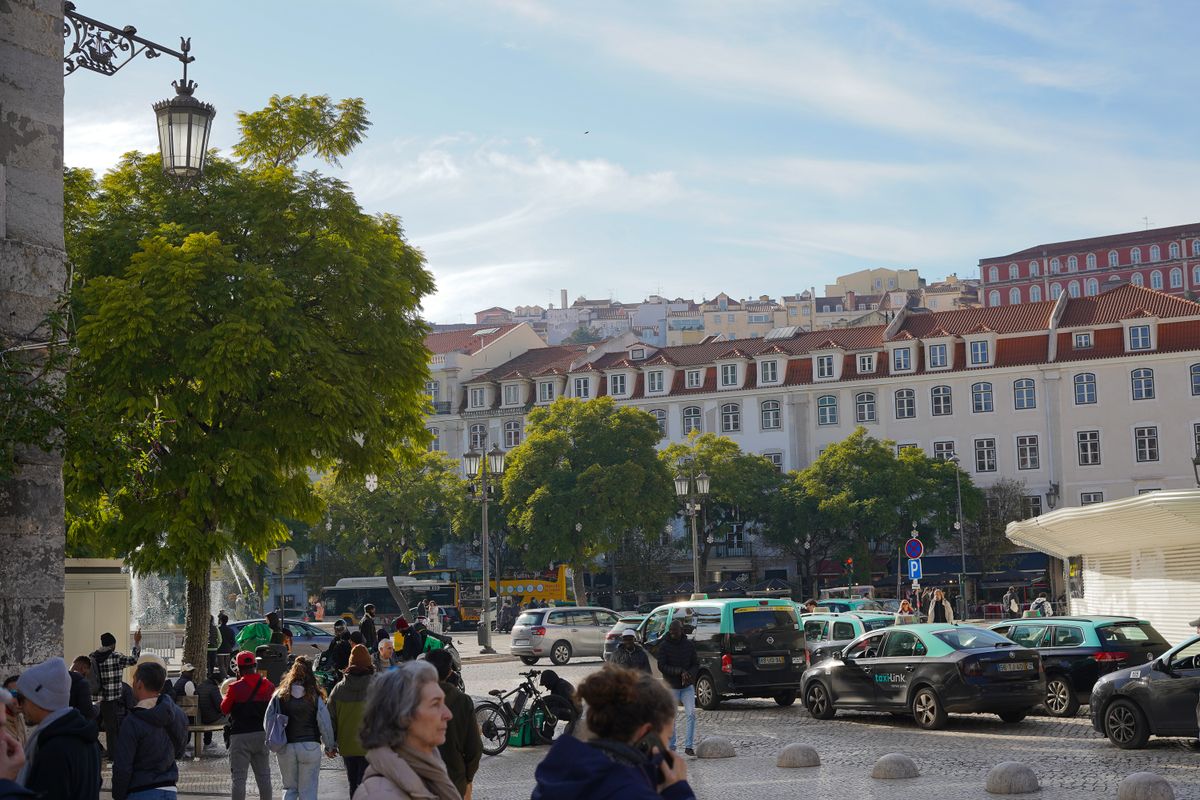
Why crowded tourist spots need extra care
Crowds make it easy for thieves to blend in and hard for you to notice what is happening around you. Official travel advice for popular European cities points to the same places again and again:
- Pickpocketing and bag snatching in city centres and at major tourist attractions. The UK government's advice for Italy names public transport, crowded areas, main train and metro stations, tourist sites and busy bars and cafes.
- Distraction tricks. For France, the advice says pickpockets can work in gangs: one distracts you while another goes into your bag.
- Busy events. The Spain advice asks you to take care of your valuables at a festival or large concert.
Crowds also bring simple physical risks, like pushing, trips and falls in packed streets or narrow spaces. Stress is real too. A packed queue in the heat is tiring, and tired people make rushed choices.
Before you go: get ready for an unfamiliar city
Read the official travel advice
Check the safety page for your destination from your own government before you book. For example, the UK's foreign travel advice has a "Safety and security" section for each country. New Zealand's SafeTravel site also lists warnings and how to contact consular help. Look at the local emergency number and any areas to avoid.
Get travel insurance and keep copies of your documents
The UK government's foreign travel checklist suggests buying travel insurance as soon as you book. It also suggests keeping a backup of your passport, flight and accommodation details, shared with family or stored securely online. If your passport is ever taken, our guide on what to do if your passport is lost or stolen abroad walks you through it.
Choose where you stay with care
Read recent reviews about the street and the neighbourhood, not only the hotel. Check how far it is from a metro or taxi stand, and how the walk back looks at night.
Plan your day, but stay flexible
Pick your must-see spots and a rough route. Go early or late for the big attractions, because queues and crowds are usually thinner then. If a place feels too packed, you can swap it for another one on your list. Heading to Germany? Our Germany holiday guide helps you plan the perfect trip.
Set up your phone before you leave
A working phone is your best safety tool abroad. Download offline maps, save your accommodation address, and make sure you have data the moment you land. You can read more in our guide to staying safe online while travelling.
How to stay safe at tourist attractions and in busy streets
Keep your valuables hard to reach
- Use a bag that closes fully and wear it in front of you in busy places.
- Do not keep everything in one place. The UK advice for Spain suggests not carrying all your valuables together.
- Leave your passport, spare cards and extra cash in the hotel safe when you do not need them. Carry a copy.
- Keep your phone in a front pocket or an inner pocket, not in a back pocket or loose on a table.
Stay alert in large crowds and tourist spots
Watch for anyone who bumps into you, asks for help or shows you something to look at. That can be a distraction. If it happens, check your bag and pockets and step away.
The French advice also says not to get distracted around tourist attractions and ATMs. Take photos, but look up often. Step out of the flow of people before you use your phone or read a map.
Be cautious in crowded areas and on public transport
Train and metro stations, packed carriages, queues and ticket machines are places where thieves work. Keep your bag in front of you and your hand on it. Stand near the doors so you can get off quickly. If a carriage feels too tight, wait for the next one.
Watch for fake police and other scams
The UK advice for Spain warns about people posing as police. It says genuine officers will ask to see ID but will not ask for your wallet or purse. If someone asks to check your money, do not hand it over. Ask to go to a police station or call the local emergency number. Want to know which places to be careful in? Read about the worst tourist traps in the world.
Be careful with ATMs
Use cash machines inside banks or in well-lit busy places, and cover the keypad. Check the machine for anything attached to the card slot. Our guide on how to avoid international ATM fees also helps you plan how much cash to take.
Move with the crowd, not against it
In a very dense crowd, go with the flow and do not push. Stay near the edges and exits where you can, and do not stand in tight bottlenecks. If a place is getting packed and pushy, leave early. No photo is worth being stuck in a crush.
Cross streets with care
Busy tourist streets mix pedestrians, scooters, bikes and trams. Use pedestrian crossings and look both ways, even on one-way streets. In some countries traffic drives on the other side from what you are used to.
Look after yourself
Drink water, take shade breaks and eat properly. The UK checklist also asks you to be alert to the risk of spiked and contaminated drinks, so keep an eye on your glass in bars. Our tips on finding safe drinking water while traveling can help.
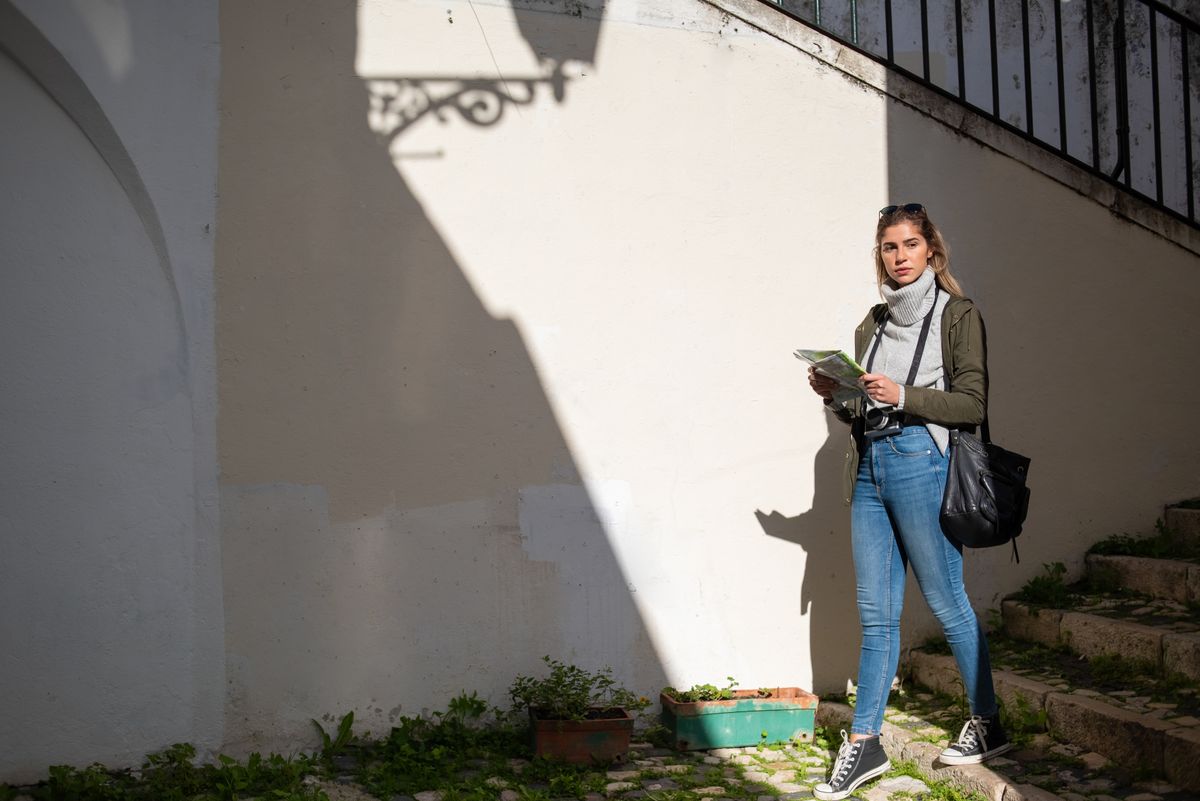
How to stay safe in unfamiliar cities, especially at night
- Plan your route back before you go out and share your location with a friend or family member.
- Stick to well-lit streets with other people on them. If a street feels wrong, trust that feeling and turn around.
- Use licensed taxis or a ride-hailing app instead of walking through quiet areas late at night.
- Avoid areas the official advice flags for your destination, and ask your hotel which areas to avoid after dark.
- Do not show off expensive jewellery, cameras or the latest phone.
Hotel Wi-Fi and public hotspots are another risk. Read our guide on whether hotel Wi-Fi is safe before you log into banking apps.
Stay connected so you can get help fast
Getting lost or separated from your group is much less stressful with mobile data. With an eSIM, you can open maps, message your group, call a taxi or look up the nearest police station without searching for Wi-Fi. You install it before you travel and switch it on when you land. Our guide to buying an eSIM online shows how.
If you are heading to Europe, a Europe eSIM covers many countries with one plan. Pick the data size that fits the days you will be out using maps and messages.
These plans cover Europe. See all Europe eSIM plans, or browse all destinations for the rest of the world.
If something goes wrong in a crowd
- Move to a safe place. Get out of the crowd to a shop, cafe or hotel lobby and take a breath.
- Check what you have. Look for your phone, wallet, passport and keys.
- Call the local emergency number. In the EU you can call 112, which the European Commission describes as free of charge, from fixed and mobile phones. In other countries the number is different, so save it before you go.
- Report a theft to the local police. You will usually need a police report for an insurance claim.
- Block your cards and lock your phone. Call your bank and use your phone's find and lock tools.
- Contact your embassy or consulate if your passport is stolen or you need urgent help. The UK checklist suggests noting how to contact the nearest one before you go.
For more on this, read our guide to handling emergency situations abroad and our overview of emergency calls on iPhones.
FAQ: staying safe in crowded places
How do I avoid crowded places when I travel?
Visit the big sights early in the morning or late in the day, book timed tickets where you can, and look for quieter streets nearby. Travelling outside peak season also helps.
How do I stay safe in an unfamiliar city?
Read the official travel advice for the country, keep valuables out of sight, stay on busy, well-lit streets at night and use licensed taxis. Keep offline maps and your accommodation address on your phone.
What is the most common crime against tourists in crowds?
Official travel advice for cities like Paris and Rome mostly warns about pickpocketing and bag snatching, often with a distraction.
Should I carry my passport with me?
Check the rules for your destination. Many travellers carry a copy and keep the original in a hotel safe, but some countries require you to carry ID. Your government's travel advice usually says.
What number do I call in an emergency in Europe?
Call 112 in the EU. Elsewhere, check the number for your destination before you travel and save it in your phone.
Do I need mobile data to stay safe abroad?
You do not strictly need it, but it makes maps, messaging and finding help much easier. A travel eSIM is a simple way to get data the moment you arrive.