
The best budget travel tips come down to a few habits: set a daily budget before you book, travel off-peak, read exactly what a cheap fare includes, take trains and buses, stay longer in fewer places, eat where locals eat and stop paying for roaming. None of them means a worse trip. Below you get 10 practical ways to travel cheap, with a simple way to plan a budget trip from the start.

Budget Travel Tips at a Glance
- Plan a daily budget before you book anything.
- Travel off-peak or in the shoulder season.
- Be flexible with flights and read what a budget fare includes.
- Cut your phone costs with a travel eSIM instead of roaming.
- Take trains and buses for the longer legs.
- Choose budget accommodation such as hostels and guesthouses.
- Try slow travel and stay longer in fewer places.
- Eat like a local at markets and side street cafes.
- Use public transport instead of taxis.
- Avoid card and ATM fees abroad.
Tip 1: Plan a Daily Budget Before You Book
The easiest way to plan a budget trip is to work backwards from a total. Decide what you can spend, take off the fixed costs (flights or trains there and back, insurance), and divide the rest by the number of days. That gives you a daily budget for a bed, food, local transport and activities.
- Write down four daily lines: accommodation, food, getting around and things to do. Check real prices for your destination before you commit.
- Keep a buffer: set aside a little extra for things you did not plan, such as a missed connection.
- Track as you go: a note on your phone or a budget app is enough. If one day costs more, spend less the next.
A budget also helps you choose where to go. Your money goes further in some regions than others, so compare a few destinations before you pick one. An AI helper can make planning easier too, so see how to use ChatGPT as your travel companion.
Tip 2: Travel Off-Peak or in the Shoulder Season
Timing makes a big difference. School holidays and the main summer weeks are the busiest and usually the most expensive times to travel.
- Go in the shoulder season: the weeks just before or after the high season often have good weather and lower prices for flights and rooms.
- Avoid big events: festivals, trade fairs and public holidays push up hotel prices in a city. Check the local calendar before you book.
- Enjoy fewer crowds: outside the peak you queue less at the big sights and find it easier to get a table or a bed at short notice.
Tip 3: Be Flexible With Flights and Read What the Fare Includes
Budget airlines such as Ryanair, easyJet and AirAsia often have the lowest headline fares. The catch is that many extras cost more, so compare the total price with the bags and seats you actually need.
Check the bag rules before you pay
As an example, easyJet lets every passenger bring one small under seat bag for free, up to 45 x 36 x 20 cm. A large cabin bag costs extra, and the airline says it is always cheaper to add one online than at the boarding gate, where it costs £60. See the easyJet cabin bag page. Other airlines have their own rules, so always check the official site of the airline you fly with.
Be flexible with dates and airports
Search a few days either side of your ideal date and compare nearby airports. A smaller airport can be cheaper to fly into, but add the cost and time of getting into the city before you decide.
Pack light
If everything fits in the free small bag, you skip bag fees on every flight of your trip. Our list of must have items when traveling abroad helps you pack only what you need.
Tip 4: Cut Your Phone Costs With a Travel eSIM
Roaming is one of the easiest costs to forget. Inside the EU, the "roam like at home" rules mean an EU mobile plan is charged at domestic prices in other EU countries, and this also covers Iceland, Liechtenstein, Norway, Moldova and Ukraine. Outside those countries, the EU warns that roaming, especially data roaming, can be expensive. It also says that on ships and planes, mobile service via satellite is not covered by the EU rules and has no price caps, so switch on flight mode on board. All of this is on the official Your Europe roaming page.
If your plan is not from an EU country, or you travel outside the EU, a travel eSIM gives you local mobile data at a fixed price you pay before you go. You install it at home, switch it on when you land and keep your own SIM for calls and texts if you want. The steps are in our eSIM installation guide, and your phone needs to support eSIM and be unlocked, which you can check in our list of eSIM compatible devices. To learn more about the costs you avoid, read how data roaming works.
Backpacking through Europe? One regional plan covers many countries, so you do not need a new SIM at every border:
These plans are data-only. More options on our Europe eSIM page, or read how to use an eSIM in Europe.
Heading to South East Asia on a budget? These regional plans last 30 days, which suits slow travel:
These plans are data-only too. See our South East Asia eSIM page and every other region on our destinations page.
Tip 5: Take Trains and Buses for the Longer Legs
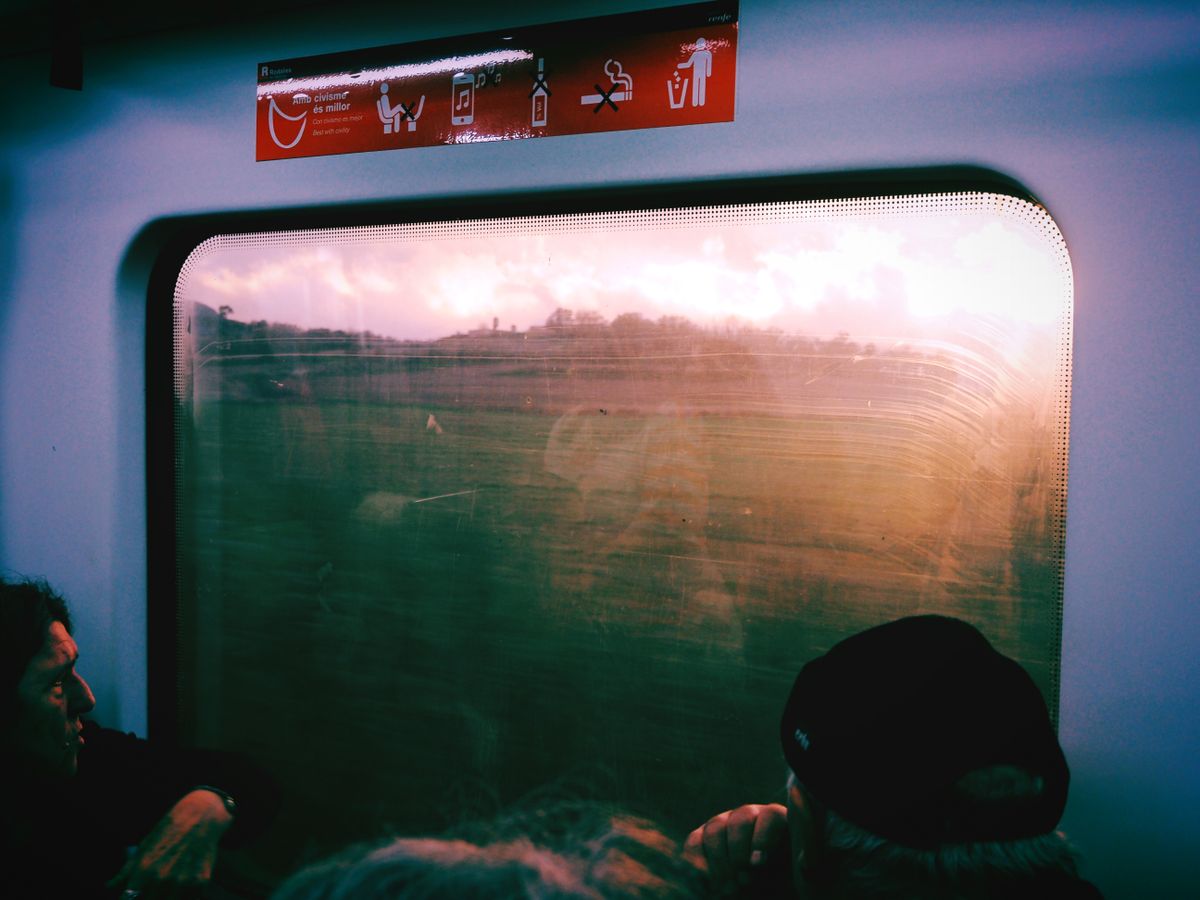
For trips between nearby cities, a train or a long distance bus can cost less than a flight once you add bag fees and the trip to the airport. Stations are often in the city centre, so you also save on transfers.
- Book early: many rail and bus operators sell their cheapest seats first, so plan the key legs in advance.
- Look at rail passes: if you plan many train trips in Europe, a rail pass can cover them in one ticket. The official Interrail site, where the Eurail site now also leads, offers passes for 33 countries and shows the passes available based on your country of residence. Compare the pass with single tickets for your route.
- Travel overnight: a night train or night bus can save you a night of accommodation on a long leg.
Planning a rail route? Our 14 days Europe itinerary gives you a ready-made plan.
Tip 6: Choose Budget Accommodation
Your bed is often the biggest daily cost, so this is where you save the most.
- Hostels: a dorm bed is usually the cheapest option and a good way to meet other travelers. Many hostels also have private rooms and a shared kitchen.
- Guesthouses: small, family run places often cost less than hotels and give you a more local stay.
- Apartment rentals: platforms such as Airbnb or Vrbo work well for groups and longer stays, as you split the cost and can cook your own meals.
Not sure which suits you? Compare them in our guide to hostel vs hotel vs Airbnb. Wherever you stay, be careful on shared networks and read our tips on hotel Wi-Fi safety.
Tip 7: Try Slow Travel
Slow travel means staying longer in fewer places instead of ticking off as many as you can. It is one of the best budget travel tips because every move between cities costs money.
- Fewer transport costs: each flight, train or bus you skip is money saved.
- Cheaper longer stays: many hosts and rental platforms offer lower weekly or monthly rates, so ask or check before you book.
- A home routine: with a kitchen and a local supermarket, you eat out less often.
Working while you travel? See our list of digital nomad destinations.
Tip 8: Eat Like a Local

Restaurants on the main tourist squares usually cost the most. Eating where locals eat saves money and gives you a better taste of the place.
- Ask for tips: your host, a shop owner or people you meet often know the best cheap places.
- Walk one street back: cafes away from the big sights are often cheaper and less crowded.
- Visit markets: food markets and street food stalls are a cheap way to try many local dishes.
- Make lunch your main meal: many restaurants have a set lunch menu that costs less than dinner.
Tip 9: Use Public Transport
Buses, trams, metros and local trains are almost always cheaper than taxis or a rental car, and they show you everyday local life.
- Do your research: before you arrive, check the routes, ticket types and how to pay on the official site of the local transport operator.
- Look for passes: many cities sell day or week tickets, or reloadable travel cards, that work out cheaper if you ride often.
- Use apps: map apps and local transit apps show routes and times. They need mobile data, which is one more reason to land with an eSIM ready.
Our list of must have travel apps has more ideas, and if you want to save data, read about the best low data consumption apps. Going with friends? Take a look at the best group travel apps.
Tip 10: Avoid Card and ATM Fees Abroad
Small fees on every card payment and cash withdrawal add up over a trip. Check what your bank charges abroad before you go, and if a card machine or ATM asks whether you want to pay in your home currency or the local one, choosing the local currency usually avoids a poor exchange rate. Read our full guide on how to avoid international ATM fees.
FAQ
How do I plan a budget trip?
Set a total budget first, take off the fixed costs such as flights and insurance, and divide the rest by the number of days. Then choose a destination, travel dates and accommodation that fit that daily amount.
What are the best budget travel tips?
Travel off-peak, book transport early, read what a cheap fare includes, stay in hostels or guesthouses, stay longer in fewer places, eat at markets and local cafes, use public transport and avoid roaming and card fees.
How can I travel cheap in Europe?
Go in the shoulder season, use trains and buses between nearby cities, travel with only a small cabin bag on budget airlines and stay in hostels or guesthouses. A Europe eSIM covers many countries with one plan, so you do not need a new SIM in each country.
Is an eSIM cheaper than roaming?
It depends on your home plan and where you go. Inside the EU, an EU mobile plan roams at domestic prices. Outside the EU or with a plan from another country, roaming can be expensive, and a travel eSIM gives you data at a price you know before you leave. See international roaming vs eSIM to compare.