

The best digital nomad destinations combine a remote work visa or a long legal stay with good mobile data and a big community of remote workers. This list covers 10 of them: Bali, Chiang Mai, Lisbon, Medellín, Mexico City, Tbilisi, Budapest, Tallinn, Ho Chi Minh City and Tenerife. For each one you get the official visa route for remote workers, where one exists, and the eSIM plans that keep you online from the day you land. Still looking for work? See the top 20 countries with the most jobs available.
Digital nomad destinations at a glance
Here is the quick version. The visa routes come from each government's own pages, and the rules can change, so open the official link before you apply.
- Bali, Indonesia: E33G remote worker visa, 1 year stay.
- Chiang Mai, Thailand: Destination Thailand Visa (DTV), valid 5 years, up to 180 days per entry.
- Lisbon, Portugal: temporary stay or residence visa for remote work ("digital nomads").
- Medellín, Colombia: check the current rules with Colombia's migration authorities.
- Mexico City, Mexico: entry rules depend on your passport; check with Mexico's National Migration Institute.
- Tbilisi, Georgia: check visa-free entry for your passport with Georgia's Ministry of Foreign Affairs.
- Budapest, Hungary: White Card for digital nomads, valid up to 1 year.
- Tallinn, Estonia: Digital Nomad Visa, up to 365 days on a long-stay visa.
- Ho Chi Minh City, Vietnam: e-visa of up to 90 days with multiple entries is open to all nationalities.
- Tenerife, Spain: Spain's telework visa for digital nomads, valid 1 year.
The 10 best destinations for digital nomads
1. Bali, Indonesia
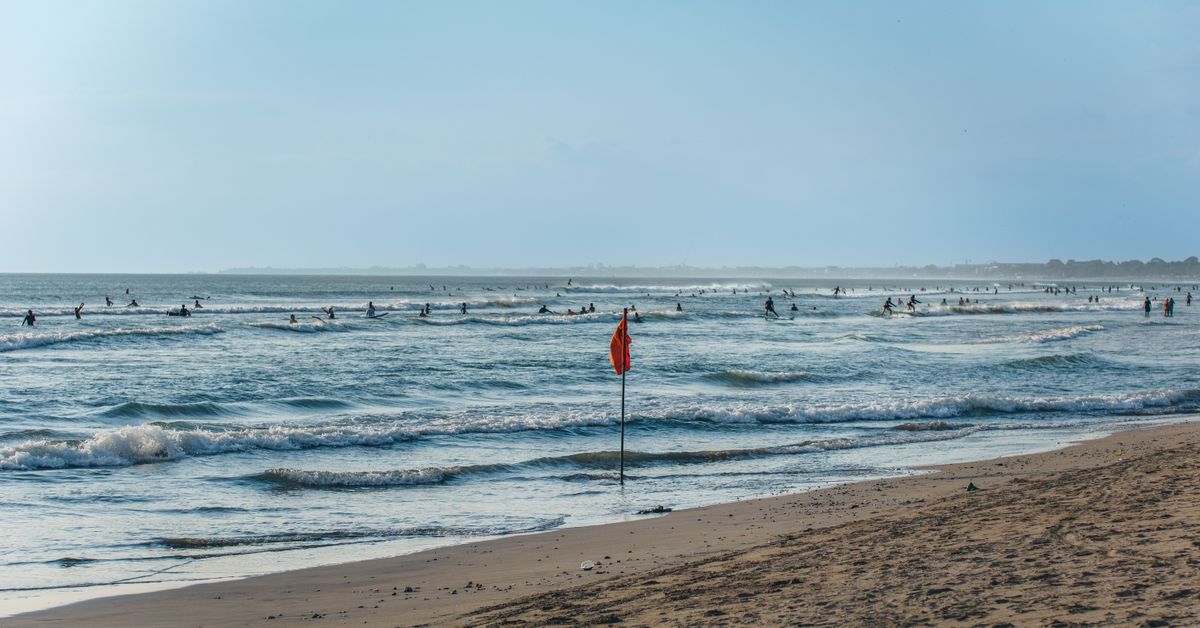
Bali is one of the best known places in the world for remote work. Canggu and Ubud are full of coworking spaces, cafes and co-living houses, so it is easy to meet other nomads in your first week. You get surf in the morning, rice terraces and temples at the weekend and a long list of places to work in between.
- Visa for remote workers: Indonesia's E33G Remote Worker visa lets you stay for 1 year and work for a company based outside Indonesia. You need an employment contract with that company and proof of income of at least US$60,000 a year. You apply online at evisa.imigrasi.go.id, and the visa must be used within 90 days of being issued (Directorate General of Immigration: E33G).
- Government fees: the immigration page lists Rp7,000,000 in total for the 1 year stay.
- Staying online: pick a plan with long validity so you don't have to top up every week. See all eSIMs for Indonesia.
2. Chiang Mai, Thailand

Chiang Mai, in northern Thailand, has long been a favorite base for remote workers. The old city is small enough to explore on foot, there are plenty of cafes and coworking spaces, and the mountains around Doi Suthep are close for a weekend break.
- Visa for remote workers: the Destination Thailand Visa (DTV) covers "workcation" for digital nomads, remote workers and freelancers. It is valid for 5 years with multiple entries and lets you stay up to 180 days per entry. You can extend once by another 180 days at the Thai Immigration Bureau. You need financial evidence of at least 500,000 THB, and your spouse and children under 20 can apply as dependants (Royal Thai Embassy Helsinki: DTV, Royal Thai Embassy Kuala Lumpur: DTV).
- How to apply: online at thaievisa.go.th, at least 30 working days before you travel. Check the fee with the Thai embassy you apply through; the embassies in Helsinki and Budapest, for example, list 350 euros.
- Staying online: compare plans in our guide to the best eSIM for Thailand or go straight to eSIMs for Thailand.
3. Lisbon, Portugal

Lisbon mixes a big international crowd with a relaxed pace of life. You get hilly old neighborhoods, yellow trams, plenty of coworking spaces and regular meetups, and beaches such as Cascais are a short train ride away.
- Visa for remote workers: Portugal offers both a temporary stay visa and a residence visa "for the exercise of a professional activity done remotely" for digital nomads. A temporary stay visa covers stays of up to one year with multiple entries. A residence visa is valid for four months and two entries, and during that time you apply for a residence permit with AIMA (Portuguese Ministry of Foreign Affairs: types of visa).
- Staying online: see our best eSIM for Portugal guide or browse eSIMs for Portugal.
4. Medellín, Colombia
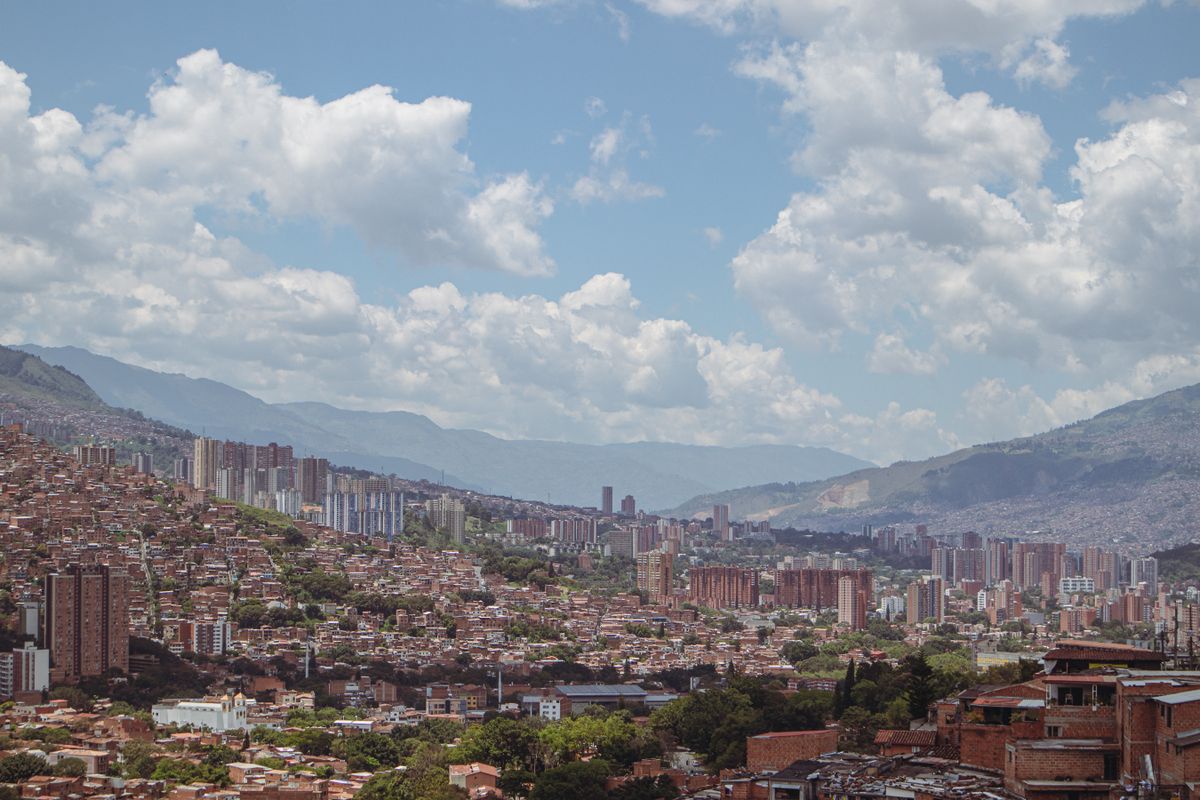
Medellín sits in the Aburrá Valley in the Andes, and its mild weather is a big part of its appeal. Neighborhoods such as El Poblado and Laureles are popular with remote workers for their cafes, coworking spaces and parks, and the metro and cable cars make it easy to get around.
- Visa for remote workers: visas are handled by Colombia's Ministry of Foreign Affairs (Cancillería), and entry is handled by Migración Colombia. Check the current visa options for remote workers with them before you travel.
- Staying online: read our best eSIM for Colombia guide or see eSIMs for Colombia.
5. Mexico City, Mexico
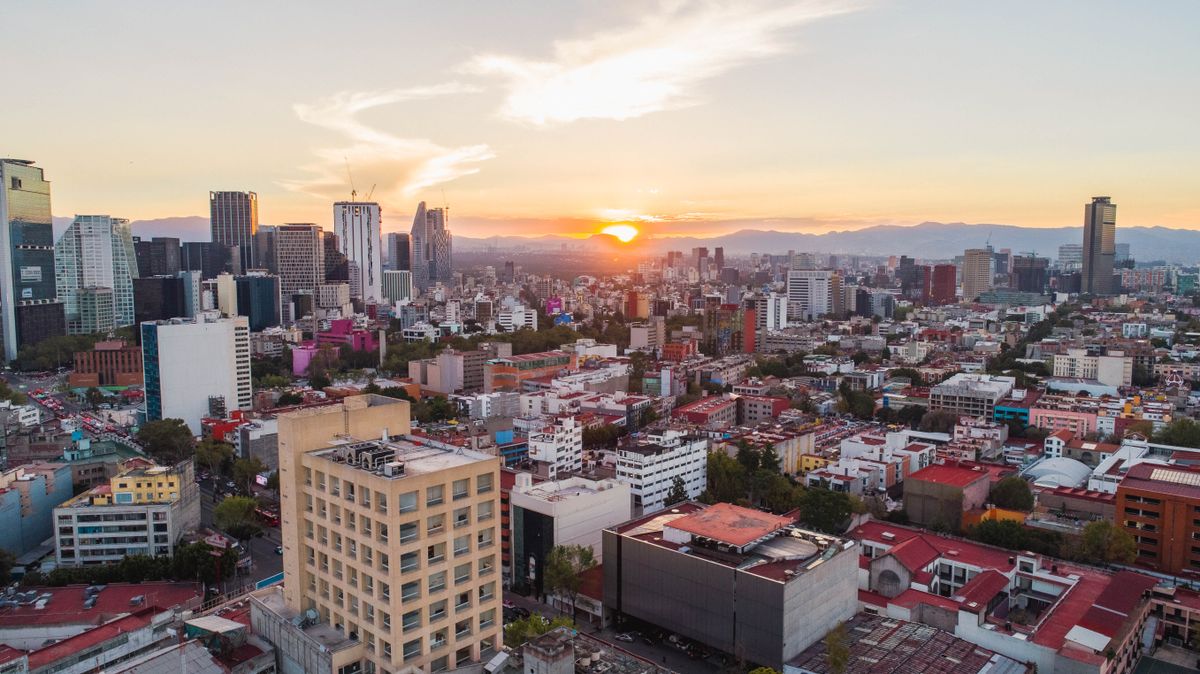
Mexico City is huge, lively and full of things to do after work, from world class museums to street food and markets. Many remote workers base themselves in leafy neighborhoods such as Roma and Condesa, with their cafes, parks and nightlife. It is also on a time zone that works well if your team is in North America.
- Visa for remote workers: the rules depend on your passport and on how long you want to stay. Check them with Mexico's National Migration Institute (INM) or your nearest Mexican consulate.
- Staying online: see our best eSIM for Mexico guide or eSIMs for Mexico.
6. Tbilisi, Georgia

Tbilisi has become a popular base for remote workers who want something different. The old town has carved wooden balconies, sulfur baths and a fortress on the hill, the food and wine are a highlight, and the Caucasus mountains are within reach for hiking and skiing.
- Visa for remote workers: citizens of many countries can enter Georgia without a visa. Check whether your passport is on the list, and for how long you can stay, with the consular service of Georgia's Ministry of Foreign Affairs.
- Staying online: see all eSIMs for Georgia.
7. Budapest, Hungary

Budapest gives you a big European capital on the Danube, with thermal baths, cafe culture, Buda Castle and the Parliament building. Its central location also makes weekend trips to Vienna, Bratislava and other cities easy.
- Visa for remote workers: Hungary's White Card is a residence permit for digital nomads. You need a verified job, or a share in a profitable company, in a country other than Hungary, and you must not do any gainful activity in Hungary or hold a share in a Hungarian company. You need a monthly income of at least EUR 3,000 net for the 6 months before entry. The card is valid for up to 1 year and can be extended once (National Directorate-General for Aliens Policing: White Card).
- Staying online: read our best eSIM for Hungary guide or see eSIMs for Hungary.
8. Tallinn, Estonia

Tallinn is a good fit if you work in tech. Estonia is the home of e-Residency, the startup scene is busy, and the medieval Old Town is a lovely place to walk after work.
- Visa for remote workers: Estonia's Digital Nomad Visa (DNV) is for people who can work location independently for a foreign employer, their own foreign company or mostly foreign clients. You can apply for a short-stay C visa of up to 90 days or a long-stay D visa of up to 365 days. The income threshold is currently €4,500 a month (gross) over the 6 months before you apply. The state fee is €120 for a D visa and €90 for a C visa. You apply at an Estonian embassy that handles visas, or at a Police and Border Guard office if you are already in Estonia legally (Republic of Estonia e-Residency: Digital Nomad Visa).
- Staying online: see our best eSIM for Estonia guide or eSIMs for Estonia.
9. Ho Chi Minh City, Vietnam
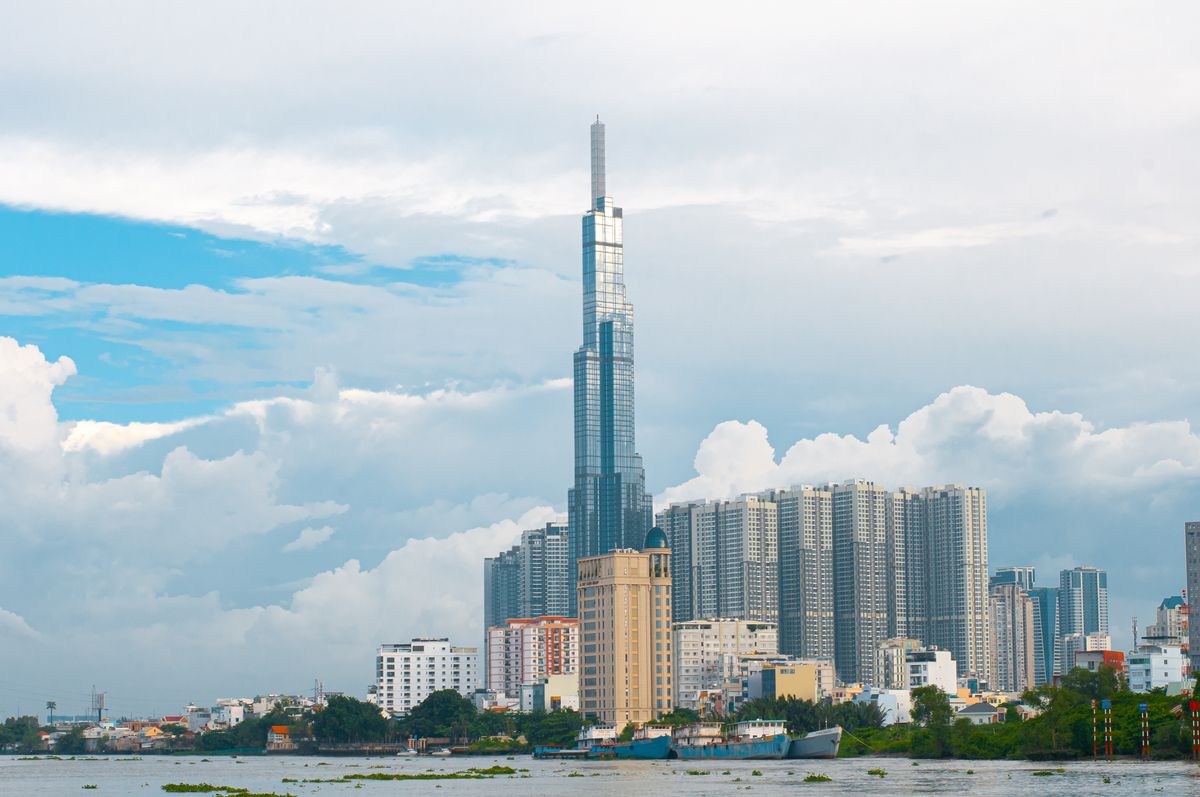
Ho Chi Minh City, also known as Saigon, is fast, loud and full of energy. You get great street food, rooftop bars and plenty of cafes to work from, plus a large expat community. Tan Son Nhat airport has flights across Southeast Asia, which makes short trips easy.
- Visa for longer stays: since 15 August 2023, citizens of all countries and territories can apply for an e-visa of up to 90 days, valid for multiple entries (Vietnam National Authority of Tourism: e-visas).
- Staying online: read our best eSIM for Vietnam guide or see eSIMs for Vietnam.
10. Tenerife, Spain

Tenerife, the largest of Spain's Canary Islands, is a winter favorite for remote workers from colder parts of Europe. You can work from a beach town, hike the volcanic landscapes around Mount Teide at the weekend and still be a short flight from mainland Spain.
- Visa for remote workers: Tenerife is part of Spain, so Spain's telework visa for digital nomads applies. It is for people who work remotely for companies outside Spain. If you are self-employed, up to 20% of your work can be for Spanish companies. You need a degree or at least three years of professional experience, and income of 200% of Spain's minimum wage (SMI) per month. The visa is valid for 1 year, and your spouse or partner and children can apply too (Embassy of Spain in Ottawa: telework visa).
- Already in Spain legally? The same page says you can apply for a telework residence permit inside Spain, valid for up to three years.
- Staying online: read our best eSIM for Spain guide or see eSIMs for Spain.
How to stay connected as a digital nomad
Your connection is your office, so sort it out before you fly. A travel eSIM lets you get mobile data the moment you land, without hunting for a SIM shop, and you keep your home SIM in the phone for bank codes and calls. Speeds vary a lot by country, as our list of countries with the best and worst internet in the world shows.
- Pick validity first, then data. If you stay a month or more, a plan with 30, 90 or 180 days of validity saves you from topping up every week.
- Install before you leave. Set up your eSIM at home on Wi-Fi and switch it on when you arrive. Our guide shows you how to install an eSIM.
- Plans are data only. The plans above include data but no local phone number, so use apps like WhatsApp or FaceTime for calls.
- Have a backup for calls. If the cafe Wi-Fi drops before a meeting, your phone's hotspot can share your eSIM data with your laptop. Check that hotspot use is allowed in the plan details before you buy. See what tethering is and how to turn it on.
- Be careful on public Wi-Fi. Coworking spaces and hotels are handy, but read up on hotel Wi-Fi safety before you log in to work tools.
For more on running your remote work life from your phone, read our guide to eSIMs for digital nomads and our list of essential tools and websites for digital nomads. Moving between countries often? Browse all our eSIM destinations.
Before you move: a short checklist
- Check the official visa page. Income thresholds, fees and documents change, and the details depend on your nationality. Our guide to visa requirements explains the basics.
- Check your taxes. A remote work visa lets you stay, but it does not settle where you pay tax. Ask a tax adviser in your home country.
- Get health insurance. Visas such as Hungary's White Card and Spain's telework visa ask for proof of health insurance.
- Think about time zones. Lisbon, Tenerife and Budapest suit European teams, Mexico City and Medellín suit the Americas, and Bali, Chiang Mai and Ho Chi Minh City suit Asia and Australia.
- Sort your data plan. Pick your eSIM before you fly so you are online from the arrivals hall.