
The 9 must have items when traveling abroad are an eSIM for mobile data, a travel documents organizer, a power bank, lightweight clothing, a universal travel adapter, a small medicine kit, resealable plastic bags, travel-sized toiletries and luggage locks. Together they keep you connected, charged, healthy and organized without overloading your bag. Below you get each item, why it matters and the airport rules that apply to power banks, liquids and medicine, taken from official government pages.
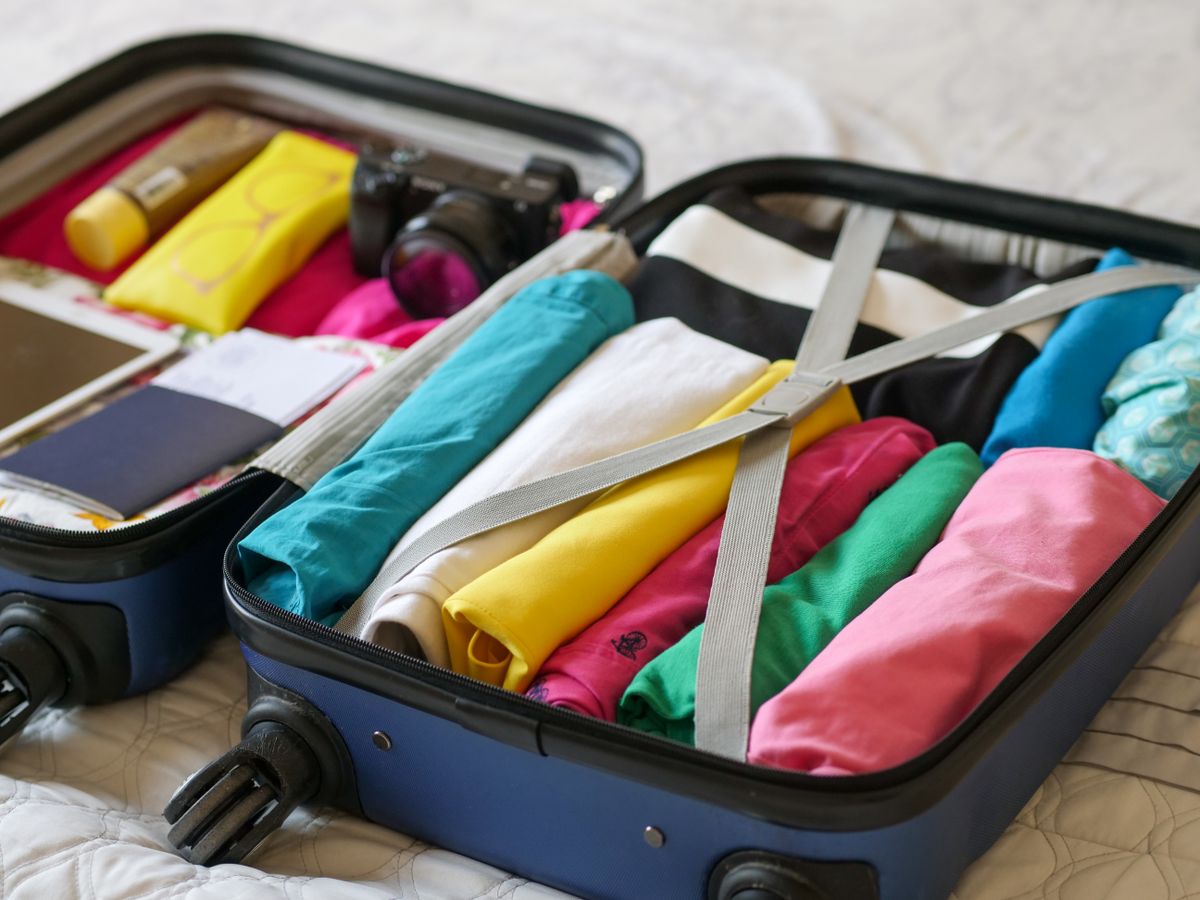
Your vacation packing list at a glance
- eSIM: mobile data from the moment you land, without swapping SIM cards.
- Travel documents organizer: passport, tickets, insurance and copies in one place.
- Portable power bank: keeps your phone alive for maps and tickets. Carry-on only.
- Lightweight and versatile clothing: fewer pieces that mix and match.
- Universal travel adapter: one plug for your chargers wherever you go.
- Emergency medications: a small kit plus your prescriptions and paperwork.
- Plastic bags: a resealable bag for liquids and a few spares for everything else.
- Travel-sized toiletries: small containers that pass airport security.
- Luggage locks: a simple deterrent when your bags are out of sight.
Packing tech as well? Our traveler's checklist for tech gear goes deeper into chargers, cables and gadgets.
1. eSIM
Your phone is your map, your boarding pass and your translator, so mobile data comes first on any list of things to bring when traveling abroad. An eSIM is a digital SIM that you install on your phone before you leave. Apple says that with an eSIM you don't need to get, carry or swap physical SIM cards, and that supported iPhone models can have two eSIMs active at the same time, for example one for your home number and one for the place you're visiting (Apple).
Two things to check first. Your phone must support eSIM, and it can't be locked to your home carrier. Apple lists the iPhone XS, iPhone XS Max, iPhone XR and later for eSIM, and says an unlocked iPhone shows "No SIM Restrictions" next to Carrier Lock in Settings, General, About (Apple). On other phones, use our eSIM compatibility check, and read how to prepare your phone for international travel for the full set-up.
New to it? Start with what an eSIM is, then pick a plan for your trip. Heading to Europe? These data plans work across the region, and our Europe eSIM page shows them all:
Flying to the United States instead? Choose one of these, or see every plan on our USA eSIM page:
Going somewhere else? Find your country on our eSIM destinations page, and see how to install an eSIM before you fly.
2. Travel documents organizer
A slim, water-resistant organizer keeps your passport, tickets, visas, insurance papers and cards together, so you're not digging through your bag at check-in or passport control. Before you fill it, check the documents themselves. The UK Foreign, Commonwealth and Development Office advises travelers to:
- make sure your passport meets the entry rules of your destination, as it may need to be valid for a set period after your trip ends
- get the correct visa, if your destination needs one
- carry an extra form of photo ID besides your passport
- get travel insurance as soon as you book
- keep a backup of your accommodation, flight, passport and insurance details in case you lose your phone
Those points come from the FCDO foreign travel checklist. For entry rules country by country, see foreign travel advice on GOV.UK, or your own government's travel advice if you don't travel on a British passport.
3. Portable power bank
Photos, maps and mobile tickets drain a battery fast, so a power bank is one of the most useful items to pack. Choose one that is small and light enough for your day bag, and pack it in your carry-on, never in your checked bag.
The US Federal Aviation Administration says spare lithium batteries, including power banks, must travel in carry-on baggage only, and if your carry-on is checked at the gate you must take the power bank out and keep it with you. Rechargeable lithium ion batteries are limited to 100 Wh each. With airline approval you can carry up to two larger spares of 101 to 160 Wh. Protect the terminals from short circuit, for example with the original packaging or a pouch (FAA).
The FAA also warns that many airlines set stricter limits on how many power banks you can bring, so check your airline's rules before you fly.
4. Lightweight and versatile clothing
Packing light doesn't mean giving up on style or comfort. Pick lightweight pieces that mix and match, and stick to one color scheme so everything goes together. Quick-drying, wrinkle-resistant fabrics are worth it, as you can wash them in a sink and wear them again the next day.
Check the weather and the local dress customs for your destination, too. A light layer for cool evenings, comfortable walking shoes and one smarter outfit cover most trips.
5. Universal travel adapter
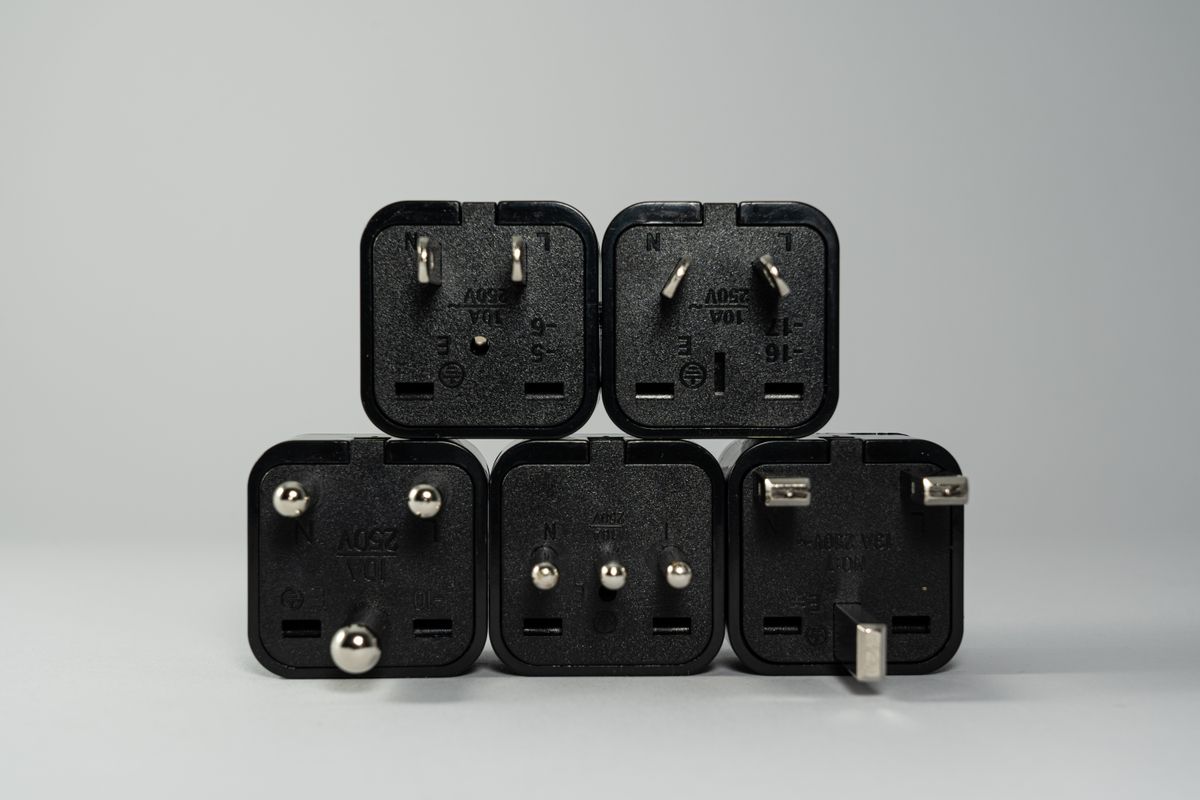
Plug shapes differ from country to country, so a universal travel adapter keeps your phone, laptop and camera charged wherever you go. Look for one that covers the plug types of the countries on your route, and pick a model with built-in USB ports so you can charge several devices from one socket.
Keep in mind that an adapter changes the plug shape only. Check the label on each charger or device to see which voltage it accepts before you plug it in abroad.
6. Emergency medications
New food, climates and time zones can upset even the healthiest traveler. A small kit with what you normally use for headaches, allergies, stomach trouble and small cuts lets you deal with minor problems without hunting for a pharmacy. This is practical travel information, not medical advice, so ask your doctor or pharmacist what suits you.
If you take prescription medicine, keep it in your hand luggage with a copy of your prescription or a letter from your doctor. GOV.UK says that at UK airports you need proof that the medicine is prescribed to you only if it is a liquid in a container larger than 100ml, and that essential medicines over 100ml are allowed in hand luggage (GOV.UK).
Medicines that contain a controlled drug need extra care. GOV.UK advises asking your doctor or pharmacist whether your medicine contains one, and if it does, checking the rules of the country you're going to with its embassy before you travel (GOV.UK). Our guide to traveling abroad with prescription medication covers the details.
7. Plastic bags
Resealable plastic bags take up almost no space and solve a lot of small problems. Use them to keep dirty clothes away from clean ones, to stop a leaking bottle from ruining your bag, and to keep cables, chargers and small items together.
One of them has an official job. If the airport asks you to put liquids in a separate bag, GOV.UK says it must be a single, transparent, resealable plastic bag that holds no more than a litre and measures about 20cm x 20cm, it must not be tied at the top, and you get one bag per person (GOV.UK). Pack one ready at home.
8. Travel-sized toiletries
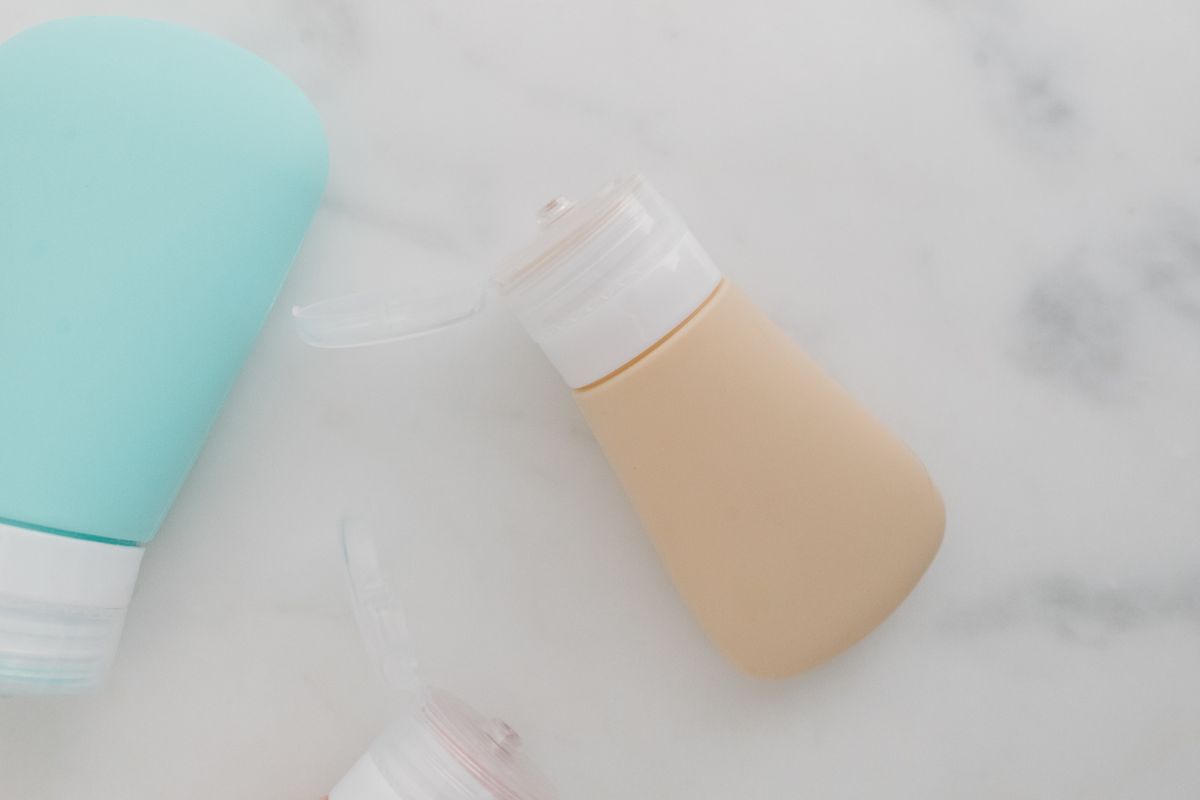
Toiletries are heavy and bulky, so buy travel-sized versions or decant what you need into small refillable bottles. Products that do two jobs, like a two-in-one shampoo and conditioner, save even more space.
Small containers also matter at security. GOV.UK says that at most airports you can't take liquids in containers larger than 100ml through security, even if the container is only part full, while some airports allow containers of up to 2 litres. Creams, gels, sprays, toothpaste and contact lens solution all count as liquids. Because the rules depend on the airport, check them for the airport you fly from and every airport on your route, including the way home (GOV.UK). If you can, pack larger liquids in your checked bag. For a smoother screening, read how to get through airport security faster.
9. Luggage locks
A sturdy luggage lock won't stop a determined thief, but it does deter opportunistic ones and keeps zips from opening by accident while your bag is out of sight. Pick a lock that is easy for you to open and close, and remember the combination before you leave home.
Whatever lock you use, keep your valuables, documents, medicine and power bank in your carry-on rather than in your checked bag.
Pack smart and stay prepared
With these 9 must have items when traveling abroad, you're ready for most surprises: connected from the moment you land, with charged devices, your documents in one place and nothing taken away at security. Sort out your eSIM a few days before you fly, check the rules for your airports and destination, and the rest of the trip gets a lot easier.
Want more ideas? See our must-have travel apps and our favorite travel hacks, or browse all eSIM destinations to get connected for your next trip.