To plan a trip to Switzerland, fly into Zurich, Geneva or EuroAirport Basel Mulhouse Freiburg, travel between cities and mountains by public transport, and build your route around a few highlights such as Lucerne, Bern, Interlaken with the Jungfraujoch and Zermatt with the Matterhorn. Visa-free visitors can stay up to 90 days in any 180 day period in the Schengen area. Below you get the airports, entry rules, the best time to go, the top places, how to get around and how to stay online.
Switzerland Trip at a Glance
- Main airports: Zurich, Geneva and EuroAirport Basel Mulhouse Freiburg.
- Entry: Switzerland is in the Schengen area. Many visitors need no visa for short stays, others need a Schengen visa.
- Currency: Swiss francs (CHF).
- Getting around: trains, buses and boats, with the Swiss Travel Pass or the Swiss Half Fare Card for visitors.
- Top places: Lucerne, Bern, Basel, Geneva, Interlaken and the Jungfraujoch, Zermatt and the Matterhorn, the Bernina Express.
- Staying online: EU "roam like at home" rules do not cover Switzerland, so check your roaming costs or use a Switzerland eSIM.
Airports in Switzerland: Where to Fly Into
Most international visitors arrive at one of three airports. Pick the one closest to the region you want to see first, as all three link easily to the Swiss rail network.
Zurich Airport
Zurich Airport is the usual arrival point for central and eastern Switzerland. Lucerne Tourism says Zurich Airport offers direct flights to 185 destinations and that you reach Lucerne from there by direct train or by car in about one hour. So if you ask what the nearest international airport to Lucerne is, Zurich is the answer most travellers use.
Geneva Airport
Geneva Airport serves western, French-speaking Switzerland and the Lake Geneva region. It has its own railway station in the heart of the terminal, according to Geneva Airport, and several local tpg bus lines stop at the airport. Keep an eye on your bags: the UK Foreign Office reports more petty theft at Geneva airport and on trains to and from Geneva.
EuroAirport Basel Mulhouse Freiburg
EuroAirport calls itself the world's only binational airport. It lies on French soil and has a Swiss sector and a French sector. For Basel and the rest of Switzerland, the airport's transport page says bus line 50 leaves from the Swiss sector forecourt to Basel SBB railway station every 7 to 10 minutes, from 04:30 to midnight, and the ride takes about 20 minutes. From Basel SBB you continue by train to Zurich, Bern or Lucerne.
Entry Rules and Visa Information
Switzerland is not in the EU, but it is part of the Schengen area. According to the UK Foreign Office (FCDO), British citizens can travel without a visa for up to 90 days in any 180 day period as tourists. Many other nationalities have the same rule, while others need a Schengen visa. The Swiss State Secretariat for Migration explains the rules by nationality and purpose of stay.
- Passport: under Schengen rules, your passport must be issued less than 10 years before you arrive and expire at least 3 months after the day you plan to leave the Schengen area.
- At the border: you may be asked for a return or onward ticket, proof of accommodation, proof of travel insurance and proof of enough money for your stay. The FCDO mentions around 100 Swiss francs a day.
- EES: the European Commission says the Entry/Exit System is fully operational in all Schengen countries since 10 April 2026. Non-EU visitors register fingerprints and a photo at the border, which can take extra time. More in our guide on what the Entry/Exit System is.
- ETIAS: the same Commission page says ETIAS, the new travel authorisation for visa-free visitors, is scheduled to start in the last quarter of 2026. Read our ETIAS guide and check the official EU site before you book.
Best Time to Visit Switzerland
Switzerland works all year, so pick the season by what you want to do.
- Summer: the time to go for hiking, lakes and mountain railways.
- Winter: ski season. As an example, the Matterhorn Paradise winter ski passes for 2026/27 are valid from 1 November 2026 to 2 May 2027.
- High mountains all year: on the Jungfraujoch glacier platform you get snow and ice 365 days a year, says Jungfrau Railways, so pack warm clothes even in summer.
Whatever the season, check the opening dates of mountain lifts and trails for your travel dates.
Best Places to Visit in Switzerland
Lucerne
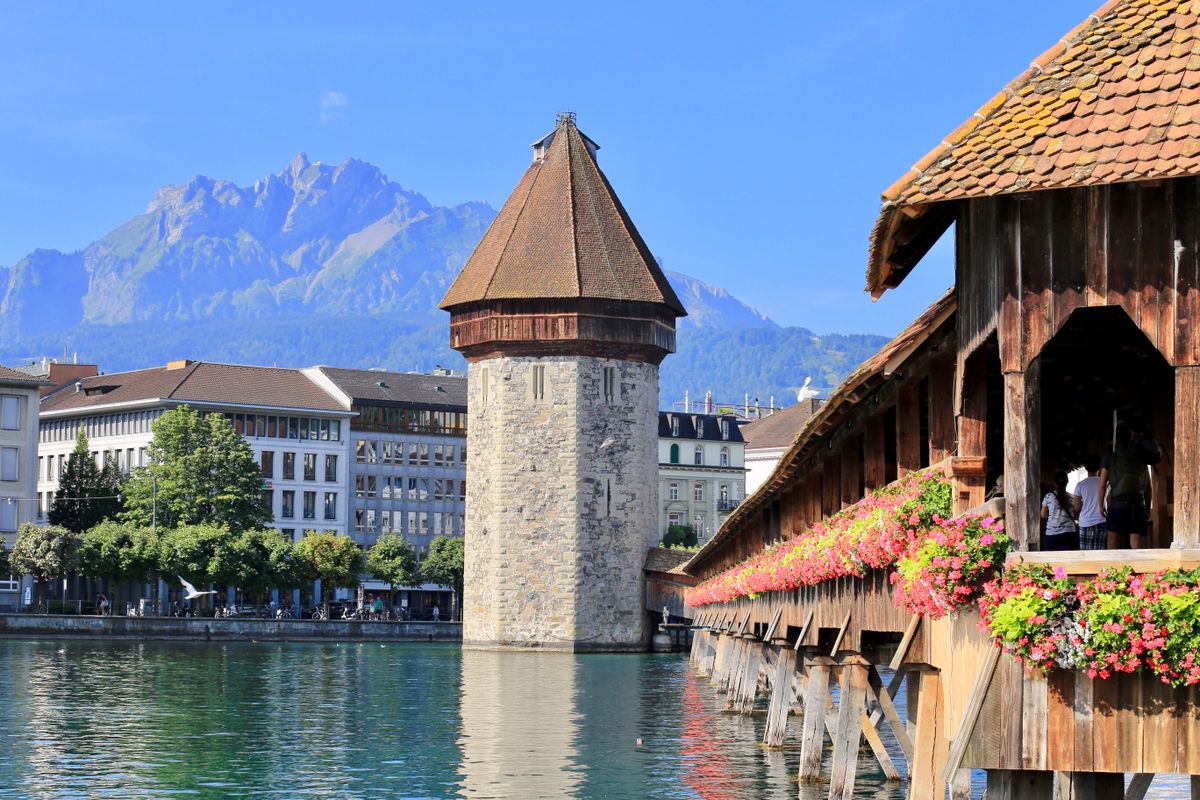
Lucerne sits on its lake in the heart of Switzerland, with mountains all around. Because Zurich Airport is about one hour away by direct train, Lucerne is a popular first or last stop. More ideas on the official Lucerne tourism site.
Bern
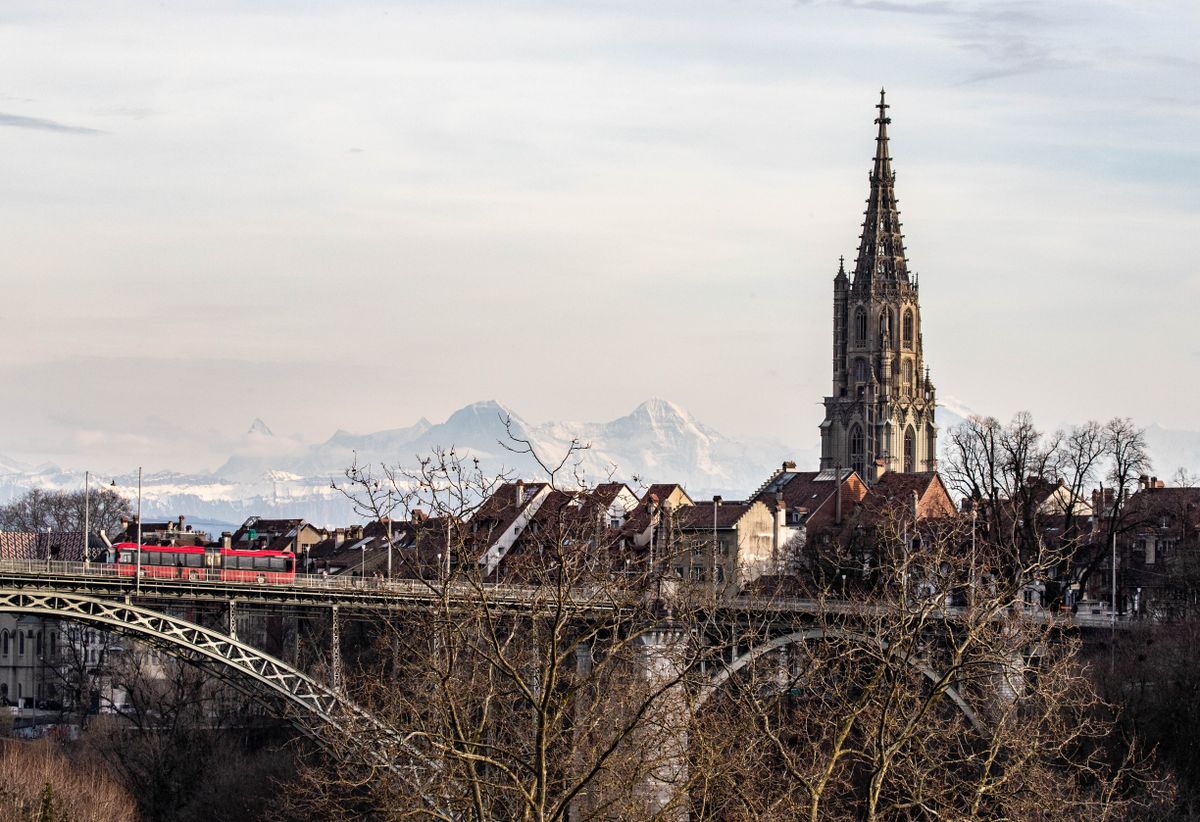
Bern's old town sits in a bend of the Aare River, with views to the Alps on clear days. It fits well between Zurich, Basel, Lucerne and Interlaken on a rail trip.
Basel
Basel is an easy first stop if you land at EuroAirport. Bus 50 brings you to Basel SBB railway station in about 20 minutes, and from there trains run to the rest of the country.
Geneva
Geneva, on Lake Geneva in the west of the country, is a natural start if you fly into Geneva Airport. With the railway station inside the terminal, you can be on a train minutes after you land.
Interlaken and the Jungfraujoch
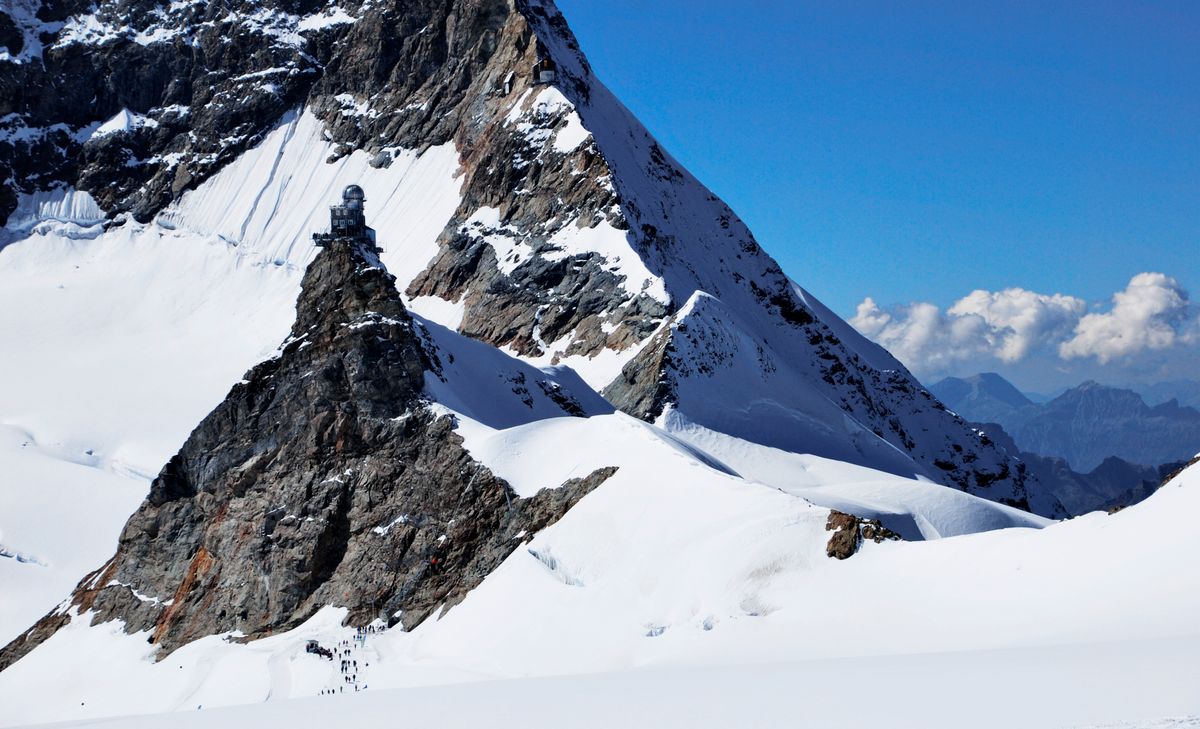
Interlaken is the base for the Jungfrau Region, with Grindelwald, Lauterbrunnen, Mürren and Schynige Platte nearby. The big highlight is the Jungfraujoch, "Top of Europe", at 3,454 metres. Jungfrau Railways calls it the highest railway station in Europe. From the top you see the Aletsch Glacier, part of the Swiss Alps Jungfrau-Aletsch UNESCO World Heritage Site. Check ticket prices and the live webcam on the Jungfrau Railways site before you go.
Zermatt and the Matterhorn
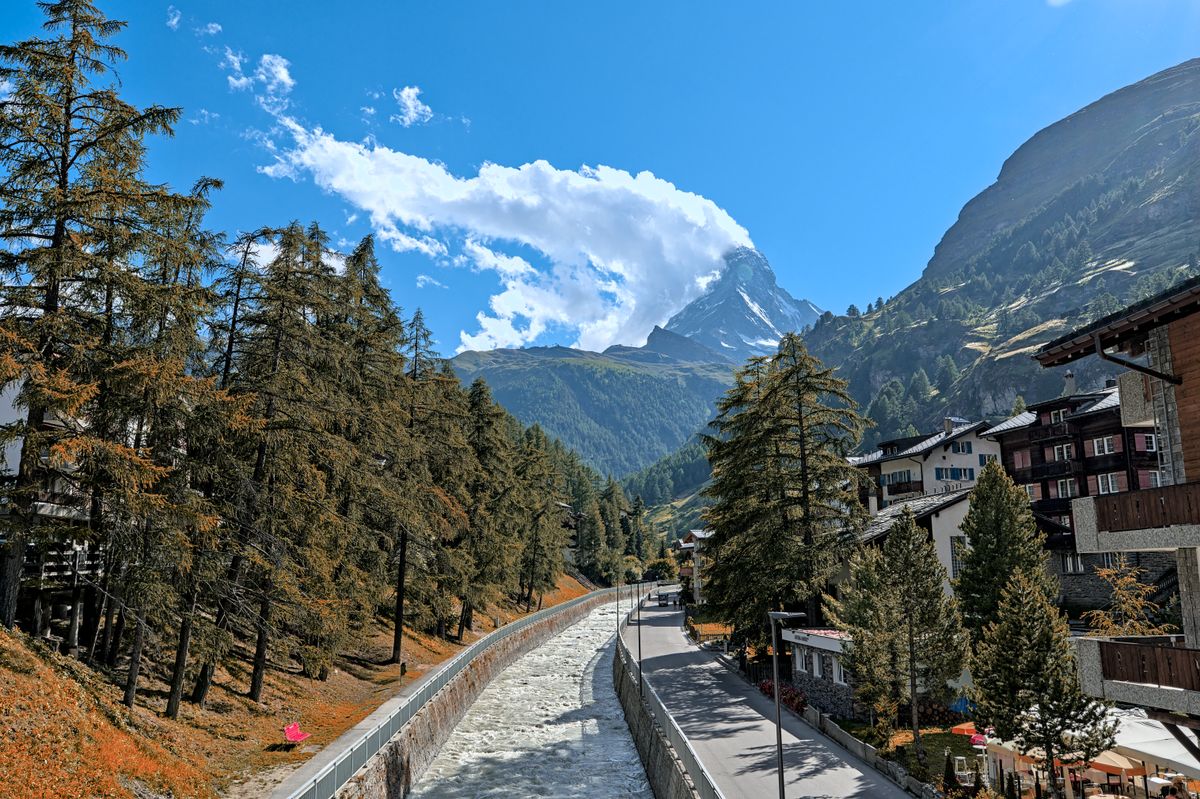
Zermatt, at the foot of the Matterhorn, is a top choice for hiking in summer and skiing in winter. If you come by car, you leave it at the car parks in Täsch and continue by shuttle or taxi, as the Zermatt tourism arrival page shows. Two classic viewpoints:
- Gornergrat: the Gornergrat railway takes you up to 3,100 metres, with views of the Matterhorn, 28 four-thousand-metre peaks and the Gorner Glacier.
- Matterhorn Glacier Paradise: the platform at 3,883 metres shows 38 four-thousand-metre peaks, 14 glaciers and three countries, according to Matterhorn Paradise, which calls it Europe's highest mountain station.
The Bernina Express
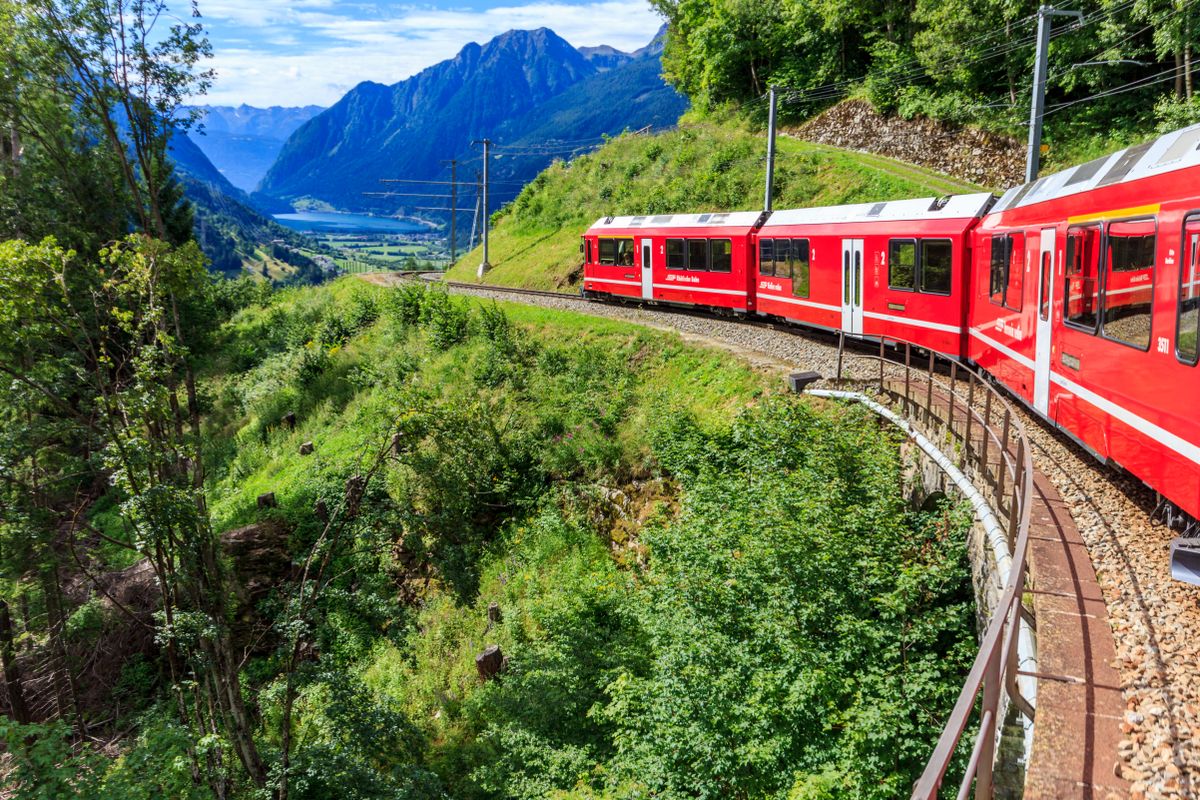
The Bernina Express is one of the most famous train rides in the Alps. The Rhaetian Railway says it runs from Chur over 196 bridges and through 55 tunnels, across the Landwasser Viaduct and over the Bernina Pass, down to Tirano in Italy, through a UNESCO World Heritage landscape. You can reserve your seat when you buy your ticket.
How to Get Around Switzerland
Trains, buses and boats connect cities, lakes and many mountain resorts, so you rarely need a car. For visitors from abroad, the Swiss Travel System sells these passes:
- Swiss Travel Pass: travel all over Switzerland by public transport for up to 15 consecutive days.
- Swiss Travel Pass Flex: the same idea, but for up to 15 days of your choice within one month.
- Swiss Half Fare Card: half price on trains, buses, boats and most mountain railways, valid for one month.
- Swiss Family Card: free. Children aged 6 to 15 travel free when they are with a parent who holds one of the passes above.
Which one pays off depends on how much you travel. If you plan many long train rides, compare the pass price with your single tickets first.
Practical Tips for Your Trip
Money
Prices are in Swiss francs (CHF). Set a daily budget for food and transport and look at the price of mountain trips before you go. To keep card and cash costs down, see our tips on how to avoid international ATM fees.
Safety
The FCDO safety advice says serious crime is low, but petty theft has increased in larger cities, at Geneva airport and on trains to and from Geneva. In the mountains, accidents happen. If you plan skiing, climbing, paragliding or other sports, make sure your travel insurance covers mountain rescue, helicopter costs and repatriation. Switzerland also bans clothing that hides your face in public, with fines from 100 to 10,000 Swiss francs.
How to Stay Connected in Switzerland
You will use your phone for train times, tickets, maps and mountain weather. Because Switzerland is not in the EU or EEA, the EU "roam like at home" rules do not apply there, and data roaming outside the EU and EEA can be expensive. Some providers include Switzerland anyway, so check your plan before you go. Read more on how data roaming works.
A Switzerland eSIM gives you mobile data from the moment you land. Install it at home with our eSIM installation guide, and check that your phone supports eSIM and is unlocked in our list of eSIM compatible devices. For a week, 10 GB is usually enough. For two weeks with lots of maps and photos, pick 20 GB, and for a month or more, 50 GB.
These plans are data-only. You can still call and message with WhatsApp, FaceTime or other apps, see how to make calls with a data-only eSIM. Compare more options in our guide to the best eSIM for Switzerland and our overview of eSIM providers in Switzerland. Travelling on to other countries? See our Europe eSIMs or all regions on our destinations page. Looking for your next trip? See our Canada trip guide and Germany trip guide.
FAQ
What are the main airports in Switzerland?
The main international airports are Zurich Airport, Geneva Airport and EuroAirport Basel Mulhouse Freiburg. EuroAirport is on French soil but has a Swiss sector with a direct bus to Basel SBB station.
What is the nearest airport to Lucerne?
Lucerne has no big airport of its own. Most visitors fly into Zurich Airport, which is about one hour from Lucerne by direct train or by car, according to Lucerne Tourism.
Do I need a visa for Switzerland?
It depends on your passport. Switzerland follows Schengen rules: many visitors can stay up to 90 days in any 180 day period without a visa, others need a Schengen visa. Check the Swiss State Secretariat for Migration or your government's travel advice.
Should I rent a car in Switzerland?
For most trips, public transport is easier. Trains, buses and boats reach the cities, the lakes and many mountain resorts, and in Zermatt drivers leave the car in Täsch and continue by shuttle or taxi.
Does EU roaming work in Switzerland?
No. EU "roam like at home" rules cover the EU, Iceland, Liechtenstein, Norway, Moldova and Ukraine, but not Switzerland. Ask your provider about roaming costs or use a Switzerland eSIM.