


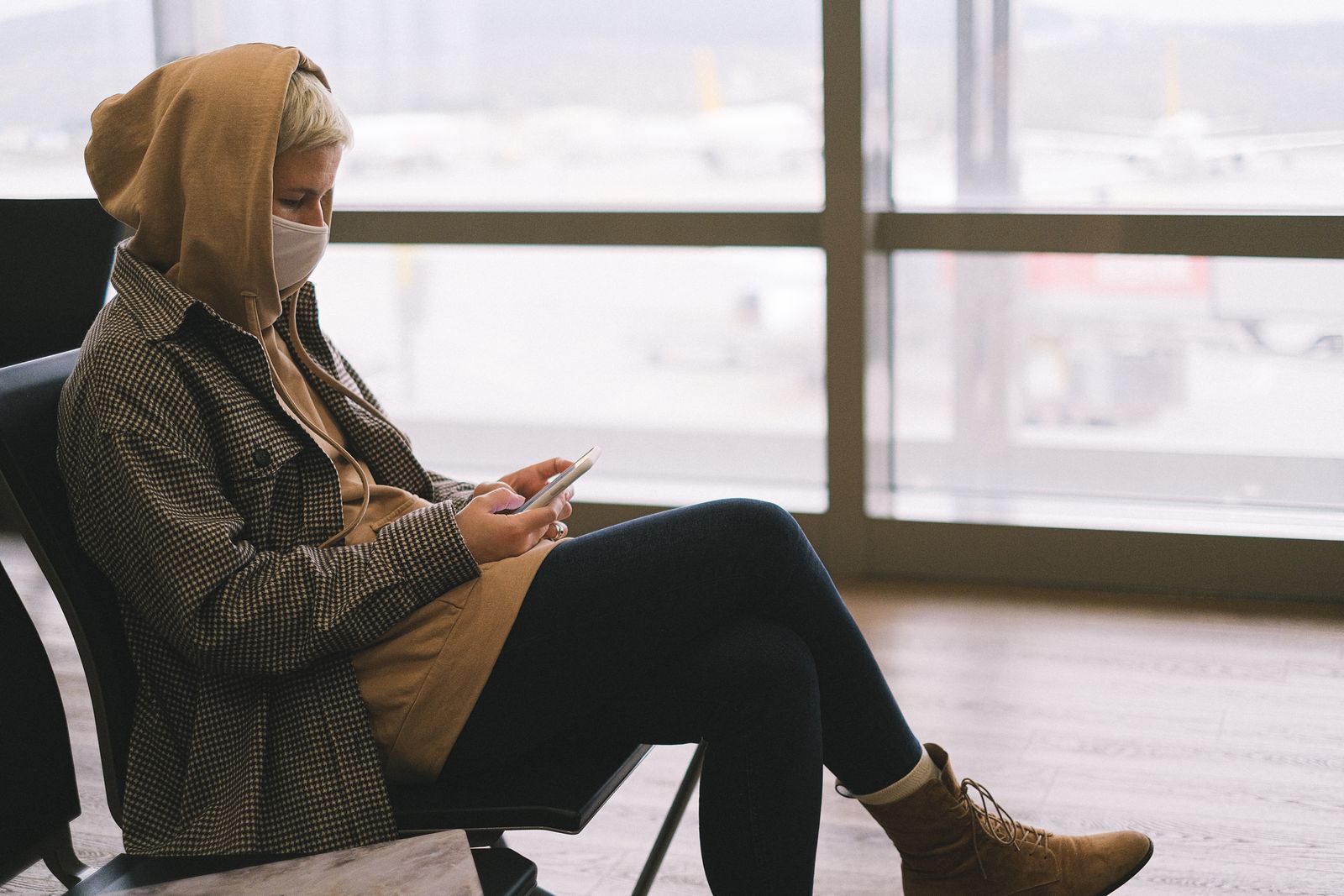
If you get sick abroad, start with the basics: decide whether it's an emergency, call the local emergency number if it is, and tell your travel insurer early. In the EU, 112 is the emergency number and it's free to call. A UK GHIC or an EU EHIC covers state healthcare, but it doesn't replace travel insurance.
Below you'll find what to do step by step, how health cards and insurance work, how to find a doctor, and what to sort out before you leave.
What to do first if you get sick abroad
1. Decide if it's an emergency
Chest pain, trouble breathing, heavy bleeding, sudden confusion or a severe injury all need an ambulance now. For milder problems like a cold, an upset stomach or a minor cut, a pharmacy or a doctor's visit is usually enough.
2. Call the local emergency number
In all EU countries you can dial 112 for free from a fixed or mobile phone. It connects you to the police, ambulance and fire services (Your Europe). Some countries still use their own numbers as well. Outside the EU, look up the number before you go. The UK's official country pages, for example, tell you which number to dial for an ambulance (GOV.UK, Spain). Save the number in your phone.
3. Call your travel insurer early
Call the emergency line on your policy before you agree to anything costly. The insurer can tell you which clinics and hospitals they work with, and some will pay the hospital directly. If you're sent to a medical facility, the UK government advises getting in touch with your insurance or assistance company quickly (GOV.UK). Keep every receipt, report and invoice.
4. Use your health card, if you have one
In the EU, show your EHIC or GHIC at a public provider. More on that below.
5. Contact your embassy or consulate if it's serious
Consular staff can't give medical advice or pay your bills. They can, with your consent, contact family for you, point you to local organisations and English-speaking interpreters, and help medical staff reach your insurer (GOV.UK). British nationals can call the FCDO 24/7 on +44 (0)20 7008 5000. US citizens can contact the nearest US embassy or consulate, which offers 24/7 help (CDC).
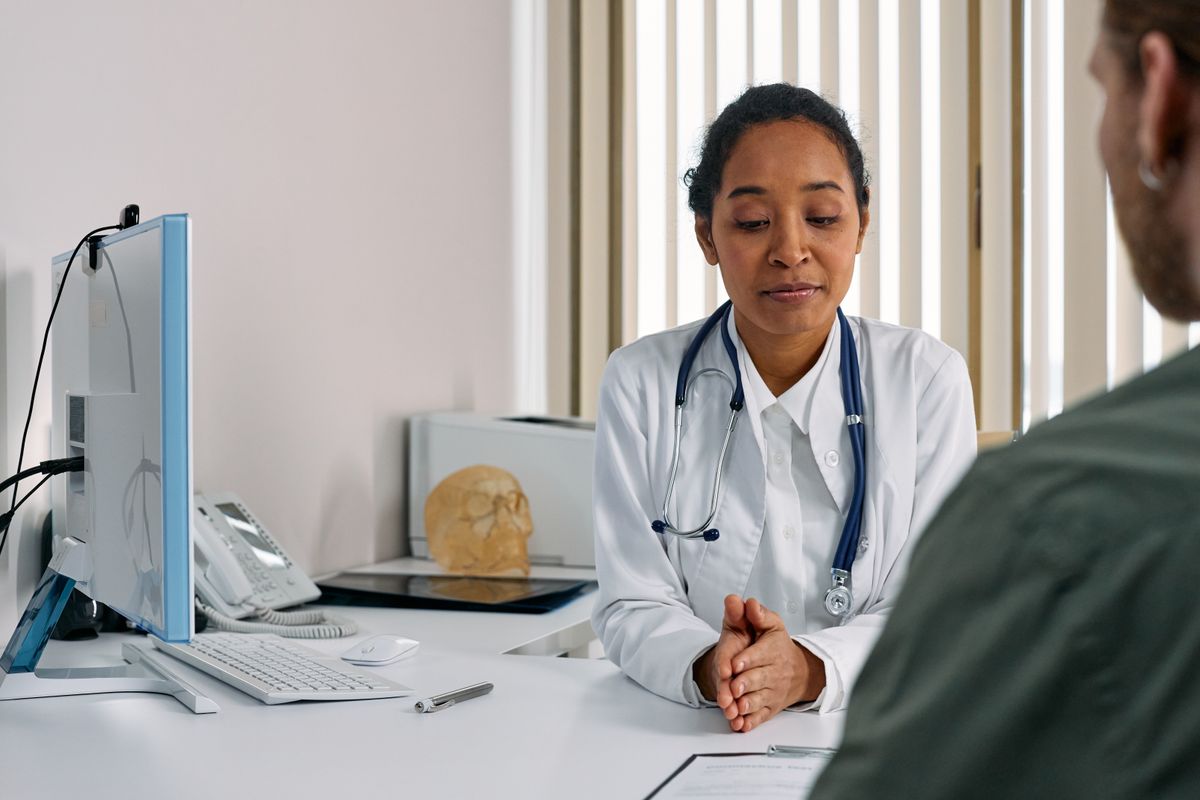
Finding a doctor or hospital abroad
- Ask your insurer first. They know which facilities they'll pay directly.
- Check your government's list. The UK publishes a worldwide list of doctors and medical facilities, some with English-speaking staff.
- Ask your hotel or host. They usually know the nearest clinic or out-of-hours doctor.
- Try a pharmacy for minor problems. Pharmacists can often advise on common ailments and tell you when to see a doctor.
- Use public care with your health card. A GHIC or EHIC only works at public providers, not private ones.
You'll need data or Wi-Fi to find clinics, call your insurer and use a translation app. See how to handle emergency situations abroad for the wider emergency checklist.
GHIC and EHIC: what they cover
The European Health Insurance Card (EHIC) and the UK Global Health Insurance Card (GHIC) cover medically necessary state healthcare during a temporary stay. You get treated on the same terms as people insured in that country (Your Europe).
- The card is free. Apply only through your official health insurer or the NHS, because other sites may charge a fee. A UK GHIC lasts up to 5 years (NHS).
- It covers state care only. It doesn't cover private treatment, and it never covers being flown home. The NHS says it is not a replacement for travel insurance (NHS).
- Free card does not mean free treatment. You may still pay what a local resident would pay, or pay upfront and claim back.
- Rules differ by country and nationality. A UK GHIC works in Switzerland only for certain people, for example. Check the official list before you go.
- If you've lost your card, the NHS offers a Provisional Replacement Certificate for emergency cover.
If you have no card at all, you can't be refused treatment in an EU country, but you may have to pay upfront and claim the money back at home (Your Europe).
Travel insurance: what it adds
Health cards and national health plans often stop at the border or at private care. Travel insurance fills the gaps, such as private treatment, mountain rescue and medical evacuation or repatriation. The UK government's advice is to buy cover as soon as you book and to check that it fits your destination, trip length and activities (GOV.UK).
- Declare medical conditions. Tell the insurer about any condition, including ones still being investigated, and make sure it's covered.
- Check your existing health plan. The CDC says to check whether your insurance covers care abroad, since travellers often pay hospital bills out of pocket. It also suggests extra cover for emergency evacuation, especially for remote areas (CDC).
- Carry the paperwork. Print your policy and keep a copy online. It also helps to have a backup way to pay for unexpected costs.
What if you have no insurance?
Ask for an itemised invoice and keep every receipt. In an EU country, a GHIC or EHIC still gives you state care on local terms. Without any cover, you pay in full. Your government can't pay for you: the UK's FCDO, for example, can't pay medical bills or arrange and fund repatriation (GOV.UK). Costs vary hugely between countries, so check your destination before you travel.
Stay connected while you're ill
Being sick abroad is easier when you can get online straight away. You'll want to call or message your insurer, look up the nearest clinic, translate symptoms and tell family where you are. A travel eSIM gives you local data without swapping SIM cards, and you can install it at home before you fly. Your normal SIM can stay active on the same phone for calls and messages.
Going to Europe? Travel Basic+ is the plan in this list that comes with a French phone number for calls and SMS, handy if a clinic or insurer needs to call you back. The Europe data plans don't include a number, so you'd use data for messaging apps and calls over the internet.
Europe plans shown · Travel Basic+ includes a French number, the other plans are data-only · See all Europe eSIMs or find your destination
Travelling elsewhere? The same idea works with a plan for the USA or any other destination. Our guide to installing an eSIM shows how to set it up before you fly, and must-have travel apps lists useful tools to download in advance.
Before you go: a short checklist
- See your doctor or a travel health specialist 4 to 6 weeks before departure, and bring a copy of your immunisation records (CDC).
- Apply for or renew your GHIC or EHIC if you're travelling in Europe.
- Buy travel insurance and save the 24/7 emergency number in your phone and on paper.
- Check the rules for taking your medicine abroad. See traveling abroad with prescription medication.
- Save the local emergency number and your embassy's details.
- Install your eSIM and save offline maps before you leave.
FAQs
What happens if you get sick in another country?
You can get treated, but you usually have to pay as a visitor unless a health card, a reciprocal agreement or your insurance covers it. Call the local emergency number if it's urgent, contact your insurer, and keep all receipts.
What should I do if I fall ill abroad without insurance?
Get the care you need first. Then ask for an itemised invoice and keep proof of payment. In EU countries, a GHIC or EHIC may cover state care. Your embassy can offer some support but can't pay bills or fly you home.
Is 112 the emergency number everywhere?
No. It works in all EU countries and in many other countries in Europe and worldwide. Check the number for your destination before you travel.
Does the GHIC or EHIC replace travel insurance?
No. Both the NHS and the EU say they don't. They don't cover repatriation or private care, so you still want travel insurance.
Can my embassy pay my hospital bill?
No. For example, the UK's FCDO can't pay medical bills or fund medical repatriation. It can contact family, help medical staff reach your insurer and give details of local facilities.
Does my home health insurance cover me abroad?
Not always. Check with your insurer before you go. The CDC notes that travellers often pay out of pocket and suggests considering extra cover for health care and emergency evacuation.
How do I avoid getting sick while travelling?
Visit your doctor 4 to 6 weeks before you go, get the vaccines they advise, and check your destination's health advice. Our guide to finding safe drinking water helps too.